Omega Pediatrics Publishes Breast Milk Fortification Calculator
Omega Pediatrics has published a breast milk fortification calculator for health professionals, based on a cited publicly available Children’s Minnesota resource.
Lanugo: Nature’s First Blanket Lanugo is the fine, soft hair that covers a fetus and newborn. While it may look unusual, it serves essential functions. What is Lanugo? Lanugo is the first hair produced by the fetal hair follicles, and it usually sheds before birth. How Does the Appearance of Lanugo Vary? Lanugo, the fine
Through the years, newborn circumcision has been held as a sacred tradition and a custom in various communities. The procedure involves the foreskin at the penis’ head being surgically extracted. Although hygiene, personal preference, and customs are reasons for this procedure, religions have a substantial impact. This article will explore religious perspectives, examining their significance
A cold in a baby under 3 months is a medical situation until proven otherwise. While most colds resolve on their own, infants this young do not have the immune reserves older children have — and symptoms can escalate quickly. Know the line between safe home care and when to call your pediatrician immediately. ⚠️
A fussy newborn is almost never a sign that something is seriously wrong. But in the first weeks of life, the reasons babies cry — and the responses that actually work — are specific. This guide covers the 10 most common causes and what to do about each one. 1. Hunger Hunger is the most
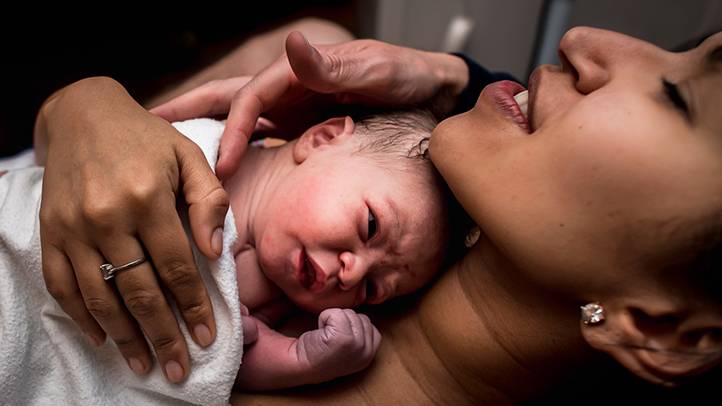
Why Is My Newborn So Red? Newborns often look bright red or purplish-red at birth because their skin is thin and their circulation is still adjusting to life outside the womb. This redness is usually normal and fades over the first one to two weeks. Persistent deep-red skin with poor feeding, fever, or breathing trouble
The journey of parenting is filled with numerous milestones, each signifying your baby’s growth and development. One of the earliest and most exciting milestones is when your newborn can lift head. This simple act is adorable and crucial for your baby’s cognitive growth and development. When a Newborn Lifts Their Head: What It Usually Means
What Does Grey or White Baby Poop Mean? Grey, gray, white, or chalky pale stool in a baby is not normal. It can be an early sign that bile is not reaching the gut, pointing to a possible liver or gallbladder problem such as biliary atresia. A single pale stool may come from formula or
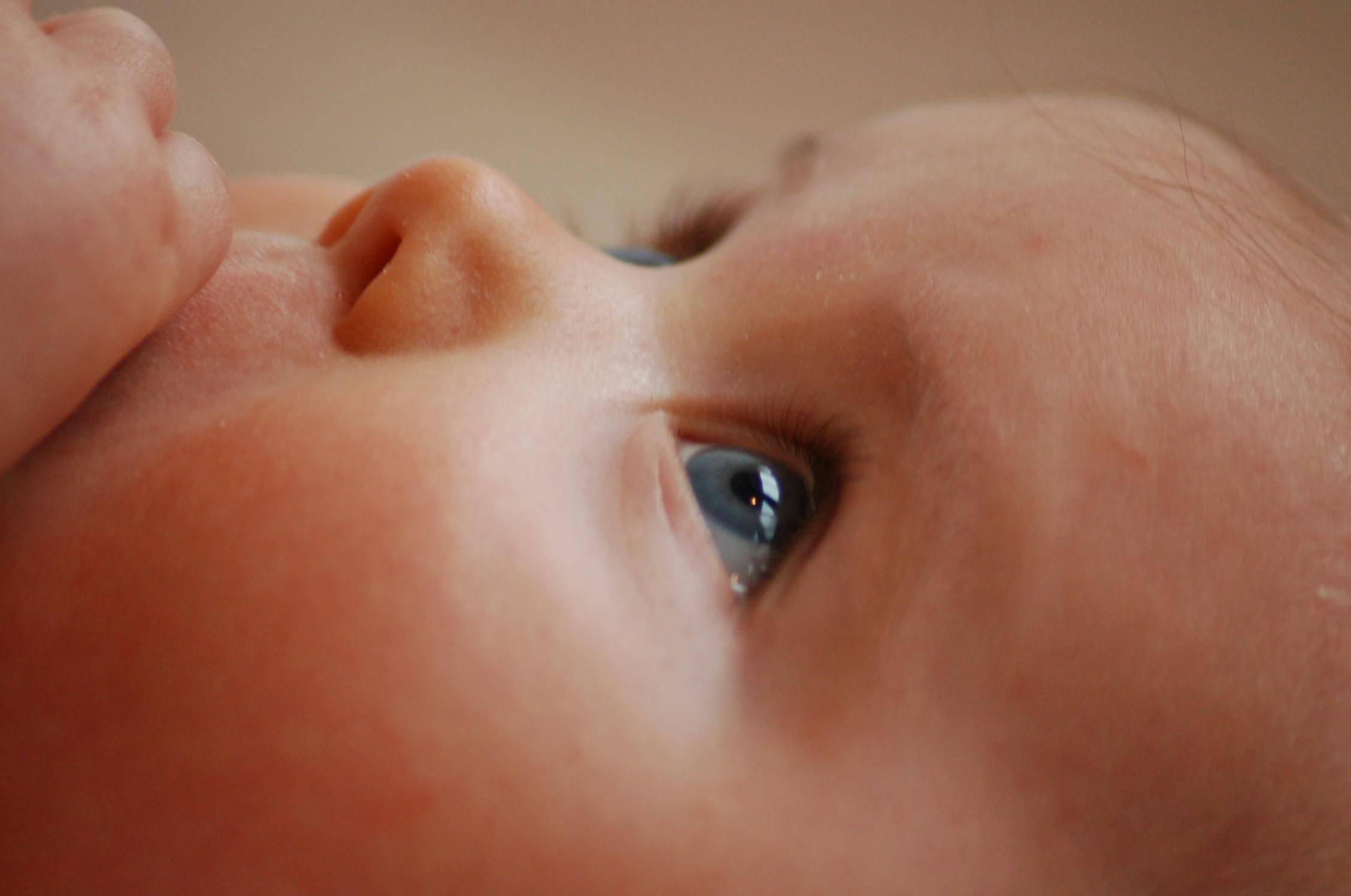
When Do Babies Get Eyebrows? Most babies are actually born with eyebrows, but they are often so pale, fine, and wispy that they look invisible at first. Eyebrows usually become noticeable between 3 and 6 months of age as the hair darkens and thickens, and they continue filling in through the first year. A newborn