HFMD in Babies: What It Looks Like and What Parents Should Do
Quick answer: Look first for fever, mouth sores, poor feeding, and a rash. The biggest concern in babies is often not the rash itself but how much it hurts to drink.
Symptoms Checklist
- Fever
- Fussiness
- Mouth sores
- Poor feeding
- Rash on hands, feet, mouth, buttocks, or legs
Call sooner if: your baby is not drinking, has fewer wet diapers, seems unusually sleepy, or is hard to console.
What Parents Should Do First
- Offer fluids often in small amounts.
- Watch wet diapers closely.
- Expect mouth pain to make feeding harder.
- Book a visit sooner if your baby is drinking less or seems weaker.
Hand, foot, and mouth disease in babies often causes fever, fussiness, poor feeding, mouth sores, and a rash on the hands, feet, mouth area, or diaper area. Most cases improve with supportive care, but dehydration and poor feeding deserve attention sooner.
This guide explains the common symptoms, what care usually helps, and when a baby should be checked sooner.
Quick Answer
- Common signs: fever, mouth sores, rash, fussiness
- Feeding can become painful
- Hydration is one of the biggest concerns
- Call sooner if: your baby is not drinking, has fewer wet diapers, or seems unusually sleepy
When your baby is suddenly fussy, running a fever, and refusing to eat, it’s natural to worry. One possible cause of these symptoms is a viral illness called Hand, Foot, and Mouth Disease (HFMD). While it’s common in toddlers and preschool children, infants can get it, too.

When babies contract HFMD, it can be particularly distressing for both the baby and the parent. HFMD often makes headlines during outbreaks in daycare centers and schools. But when your baby is the one affected, statistics and headlines don’t matter.
What matters is understanding what’s happening, how serious it might be, and what you can do to help. Though HFMD is typically a mild illness, it can cause significant discomfort. On top of this, babies can’t explain their pain or where it hurt—which means parents often feel helpless and overwhelmed.
This blog will guide you—step-by-step—through what HFMD looks like in babies, how to care for your child at home, and when it’s time to seek medical attention. We’ll walk you through the symptoms to watch for, share effective comfort and care strategies, and help you understand the warning signs that require urgent care.
By the end of this article, you’ll feel more confident and prepared to handle HFMD if your baby ever gets it. Whether you’re a new parent or have been down this road before, this guide will help you provide the care and reassurance your little one needs.
What is Hand, Foot, and Mouth Disease?
Viruses from the enterovirus group cause hand-foot-and-mouth disease (HFMD), most commonly the coxsackievirus A16. It spreads easily among young children through:
- Close contact:like hugging or sharing toys.
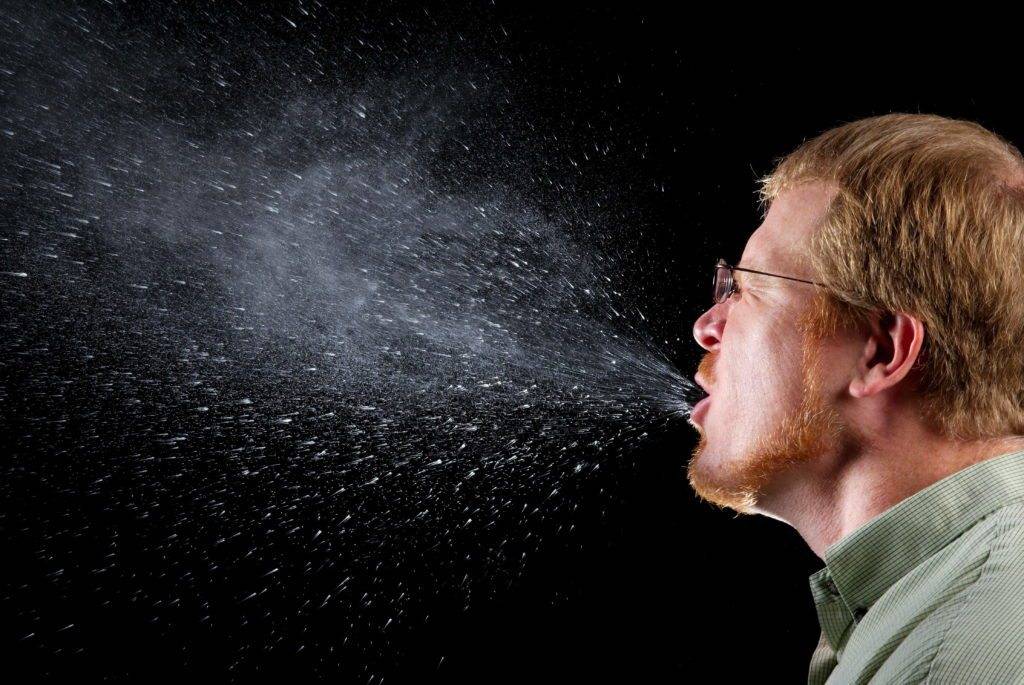
- Respiratory droplets: from coughing or sneezing.
- Contaminated surfaces, such as toys, doorknobs, and changing tables.
Outbreaks are common in childcare settings due to the proximity of children and the sharing of personal items.

Recognizing HFMD Symptoms in Babies
Identifying HFMD in babies can be challenging, as they cannot articulate their discomfort. Key symptoms include:
Initial Symptoms
- Fever: Often the first sign, usually low-grade.
- Irritability: Increased fussiness or crying.
- Poor feeding: Due to mouth discomfort.
- Sore throat: May cause reluctance to eat or drink.
Mouth Sores
Painful red spots that can develop into ulcers or blisters inside the mouth, including the gums, tongue, and inner cheeks. These sores can make feeding difficult and are a hallmark of HFMD.
Rash
A red rash, sometimes with blisters, typically appears on the palms of the hands, soles of the feet, buttocks, knees, and elbows. Note that not all babies will exhibit the classic rash pattern or all symptoms simultaneously.
Why HFMD Can Be Tough for Babies
Hand, Foot, and Mouth Disease (HFMD) can be tough on anyone—but for babies, it presents a special set of challenges. Unlike older children who can say, “My mouth hurts” or “I feel sick,” infants have no way to explain what’s wrong. This can leave parents helpless and worried as they try to figure out how to soothe.
1. Mouth Sores Make Feeding Painful
One hardest part of HFMD for babies is the painful mouth sores. These ulcers appear on the tongue, gums, and inner cheeks and make it extremely uncomfortable to suck, chew, or swallow. For babies who are breastfeeding or bottle-feeding, this pain leads to refusal to eat—even when they’re hungry.
This can quickly become dangerous. Babies need regular feeds not only for nutrition but also to stay hydrated. When they aren’t getting enough fluids due to painful swallowing, they’re at risk of dehydration, which can happen fast in infants.
2. Babies Can’t Say What Hurts
Another major challenge is the communication barrier. Babies can’t articulate that their throat hurts or that the bumps on their feet are itchy. Instead, they will cry more than usual, become clingy, or have trouble sleeping. These signs are confusing; they overlap with other common issues such as teething, colic, or fevers.
As a result, parents find themselves guessing: Is it an ear infection? Is my baby just tired? Or is something more going on? This uncertainty adds to the stress and can delay important care, like increasing fluids or calling the doctor.
3. Extra Sensitivity in Infants
Babies have sensitive skin and immune systems, making them more prone to discomfort from the rashes and blisters that HFMD causes. Even the smallest blister on the palm or sole can cause a baby to fuss or resist touch. Babies don’t know why they’re uncomfortable or how to cope.
All these mean that while HFMD is rarely dangerous, it can be harder on babies than it is on older children. Hence, caregivers must know the signs, provide gentle care, and seek medical help when needed.
Understanding what makes HFMD especially challenging for babies helps parents respond with more patience, awareness, and compassion—making the recovery process smoother for both baby and caregiver.
Providing Comfort and Care at Home
While HFMD usually resolves on its own, supportive care can alleviate symptoms:
Managing Pain and Fever
- Acetaminophen: Can help reduce fever and relieve pain. Always consult your pediatrician for appropriate dosing.
- Avoid ibuprofen: Not recommended for babies under 6 months.
Soothing Mouth Sores
- Cool liquids: Offer breast milk, formula, or water to soothe the mouth.
- Popsicles: For older babies, these can provide relief.
- Soft, bland foods: Such as mashed potatoes or yogurt.
- Avoid: Acidic, salty, or spicy foods that can irritate sores.
Ensuring Hydration
Dehydration is a serious concern. Offer frequent, smaller feedings and monitor for signs of dehydration.
Same-day and next-day appointments available.
Skin Care
- Keep rash areas clean and dry: To prevent infection.
- Avoid breaking blisters: This can lead to secondary infections.
When to Seek Medical Attention (urgent signs)
While most babies recover from Hand, Foot, and Mouth Disease (HFMD) without needing medical treatment, there are times when a trip to the pediatrician—or even the emergency room—is necessary.
1. Signs of Dehydration
Dehydration is one of the biggest risks for babies with HFMD, especially when mouth sores make it hard to drink or eat. Watch closely for these red flags:
- Fewer wet diapers (fewer than 4 in 24 hours for young babies)
- Dry mouth or lips
- No tears when crying
- Sunken eyes
- Sunken soft spot (fontanelle) on the top of the head
- Cool, blotchy hands or feet
If you see any of these signs, seek medical care immediately. Dehydration can become serious quickly in infants.
2. High or Prolonged Fever
A mild fever is common with HFMD, but it should improve within a few days. Seek help if:
- Your baby’s fever is over 100.4°F (38°C) and lasts more than 3 days.
- The fever climbs above 102°F (38.9°C) and doesn’t come down with fever reducers.
- Your baby seems very uncomfortable, fussy, or difficult to soothe.
3. Difficulty Breathing
If your baby is:
- Breathing rapidly,
- Using their chest or neck muscles to breathe,
- Making grunting noises,
- Flaring their nostrils while breathing,
These are signs your baby might not be getting enough oxygen. Call 911 or go to the ER immediately.
4. Lethargy or Unresponsiveness
If your baby is extremely sleepy, difficult to wake, or just not acting like themselves, trust your instincts. Excessive sleepiness, weakness, or a limp body are serious signs that should never be ignored.
5. Severe Mouth Pain Preventing Drinking or Eating
When the mouth sores are so painful that your baby refuses to drink even a few sips of fluid, this is a major concern. Babies can’t go long without fluids, and this could quickly lead to dehydration. If this happens, your pediatrician may recommend oral rehydration solutions or, in severe cases, fluids given at the hospital.
6. Symptoms Worsening or Not Improving
HFMD symptoms should start to improve within 3 to 5 days. If your baby’s symptoms seem to be getting worse instead of better, or if new symptoms are appearing after several days, it’s time to call your doctor. Sometimes, what looks like HFMD may actually be another illness that needs different treatment.
7. Stiff Neck or Severe Headache
Though very rare in babies, a stiff neck or severe headache may point to complications like viral meningitis, which requires immediate medical attention. Babies may show this by arching their backs, crying when moved, or showing unusual irritability.
HFMD is usually manageable at home—but being alert to these urgent signs can help you protect your little one if things take a turn.
Prevention
Preventing HFMD involves good hygiene practices:
- Frequent handwashing: With soap and water, especially after diaper changes or using the toilet.
- Cleaning and disinfecting: Regularly sanitize toys, doorknobs, and other frequently touched surfaces.
- Avoiding close contact: Keep sick children away from others to prevent the spread.
Give Extra Patience and Care for Your Baby with HFMD
Hand, Foot, and Mouth Disease (HFMD) can be alarming for any parent—especially when it strikes a baby who can’t tell you what hurts. The good news is that while the illness can be uncomfortable, it’s usually mild and short-lived. Most babies begin to recover within 7-10 days with the right at-home care and attention.
The most important things parents can do are:
- Recognize the signs early: Knowing that a fever, fussiness, poor feeding, and red spots on the hands, feet, or in the mouth may indicate HFMD can help you take action quickly.
- Provide soothing, supportive care at home: Keeping your baby comfortable with proper fever management, soothing foods, and good skin care can make a big difference.
- Prevent dehydration: Offer fluids frequently—even if it’s just small sips—to prevent one of the most common complications.
- Watch for serious symptoms: Trust your instincts. If your baby seems excessively tired, stops making wet diapers, has a high or lasting fever, or struggles to eat or drink, it’s time to call the pediatrician.
As you care for your little one, you’re not alone. If you’re unsure whether your baby’s symptoms are normal or worsening, it’s always okay to ask for guidance. Pediatricians are there to help you every step of the way. Reaching out can give you peace of mind and ensure your baby gets the expert care.
If you’re looking for trusted pediatric care or need guidance on symptoms, Omega Pediatrics offers both in-office and virtual care for families. For related information, check out:
- Hydration Tips: How to Keep Your Child Hydrated this Summer
- 5 Ways to Dress a Baby with Fever: Keeping Your Little One Comfortable
Caring for a sick baby is never easy—but with love, support, and the right information, you can help your little one feel better and recover safely. HFMD might be rough, but it’s manageable, and most babies bounce back quickly with a little TLC.
HFMD in Babies and Toddlers: Extra Parent Questions
Hand, foot, and mouth disease spreads easily in daycare and preschool settings, so many parents first hear about it after an exposure notice or a sudden cluster of cases.
- Symptoms often begin about 3 to 5 days after exposure
- Diagnosis is usually based on the exam, not special testing
- Mouth sores can make toddlers refuse food and drink
- Cold drinks, soft foods, and avoiding acidic foods may help
- Hydration is one of the most important things to watch
When Can a Child Return?
Policies vary, but parents should pay close attention to fever, active blisters, and the child’s ability to drink and act more normally before returning to group settings.
Frequently Asked Questions
Can babies get HFMD without the full rash?
Yes. Some babies start with fever, fussiness, or mouth sores before a fuller rash shows up.
How long is HFMD contagious?
It is usually most contagious early in the illness, though viral shedding can continue longer.
Can HFMD make feeding painful?
Yes. Mouth sores can make sucking and swallowing uncomfortable.
When should I worry about dehydration?
Worry sooner if wet diapers drop, drinking is poor, your baby seems unusually sleepy, or is hard to console.
If feeding is dropping or your baby seems more uncomfortable, schedule same-day sick visits, review after-hours pediatric care, or visit our Roswell pediatric office, Marietta pediatric office, or Riverdale pediatric office.