
Otitis Media: More Than Just an Earache
Earaches in children are often dismissed as minor nuisances, but they can sometimes be a sign of otitis media, an infection or inflammation of the middle ear. Let’s unravel the intricacies of this common childhood ailment.
Quick Answer
Ear infections often cause ear pain, poor sleep, fussiness, fever, and sometimes pulling at the ear. Some children need antibiotics, while others improve with pain control and close follow-up.
- Ear pain, fever, and sudden fussiness are common parent-noticed symptoms.
- Antibiotics help in some cases, but not every ear infection needs them right away.
- Same-day evaluation matters when pain is significant or symptoms are not improving.
Need help with this today?
Book with Omega Pediatrics if you want a pediatric review, same-day guidance, or follow-up on persistent symptoms.
When to Call Your Pediatrician
- Your child has strong ear pain, fever, or drainage from the ear.
- Symptoms are getting worse instead of better.
- You are worried about hearing, dehydration, or nighttime pain that will not settle.
Common Parent Questions
Do all ear infections need antibiotics?
No. Some ear infections are watched closely while symptoms are managed, especially when the infection seems mild.
What helps ear infection pain at home?
Pain control, fluids, rest, and timely pediatric follow-up are often the first steps while the treatment plan is decided.
Quick Answer
Ear infections can cause pain, fever, poor sleep, and fussiness, but not every child needs antibiotics right away. Age, exam findings, severity, and whether one or both ears are involved all matter.
What is Otitis Media?
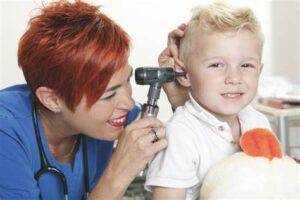
Otitis media is an infection or inflammation of the middle ear, which is the air-filled space behind the eardrum. It’s particularly common in children due to the anatomy of their Eustachian tubes and immature immune systems.
Same-day and next-day appointments available.
Causes: What’s Behind the Infection?
Several factors can contribute to otitis media:
- Viral Infections: Such as the common cold or flu.
- Bacterial Infections: Like streptococcus pneumoniae.
- Allergies: That lead to Eustachian tube dysfunction.
- Environmental Factors: Such as smoke or altitude changes.
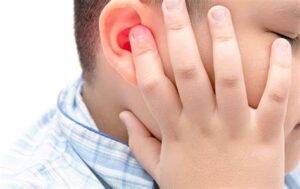
Symptoms: Not Just Ear Pain
While ear pain is a classic symptom, others may include:
- Fever: Often accompanies the infection.
- Hearing Loss: Temporary reduction in hearing capability.
- Irritability: Especially in younger children who can’t articulate their discomfort.
- Fluid Drainage: From the ear in some cases.
Diagnosis: How It’s Detected
The diagnostic process generally involves:
- Otoscopy: To examine the eardrum and ear canal.
- Tympanometry: To assess middle ear function.
- Audiometry: In cases of suspected hearing loss.
Treatment: Relief and Recovery
Treatment options may include:
- Antibiotics: For bacterial infections.
- Pain Management: Using over-the-counter pain relievers.
- Observation: In mild or viral cases.
- Surgery: For recurrent or chronic cases, a tympanostomy tube may be inserted.
Prevention: Keeping Ears Healthy
Preventive measures include timely vaccinations, avoiding smoke exposure, and treating allergies effectively.
Next Steps
If you find this information useful and want to stay updated on children’s health topics, consider subscribing to our newsletter. If you have concerns about otitis media or other ear-related issues in your child, feel free to book an appointment with Dr. Michael Nwaneri. We’re here to offer expert advice, no obligations.