
Your Baby’s Bottom Is Bright Red—And They’re Miserable

You just changed your baby’s diaper and froze. Their bottom is bright red, angry-looking, and covered in bumps. Your baby is crying every time you wipe them.
You feel terrible. Did I wait too long to change them? Is this my fault? How do I fix this fast?
Here’s what you need to know right now: Diaper rash is super common. Almost every baby gets it. And there are proven ways to heal it quickly.
In this guide, I’m showing you exactly how to get rid of diaper rash fast, what works (and what doesn’t), and how to prevent it from coming back.
Let’s get your baby comfortable again.
What Is Diaper Rash? (And Why It Happens)
Diaper rash is red, irritated skin in the diaper area. It can range from mild pink patches to angry red sores.
How common is it? About 50% of babies have diaper rash at any given time. Almost ALL babies get it at some point.
What Causes Diaper Rash
- Moisture (The #1 Cause): Babies sit in wet diapers. That constant moisture breaks down the skin’s protective barrier. Even super absorbent diapers leave some wetness against the skin.
- Friction: Diapers rub against skin constantly. This friction irritates already-sensitive skin. Tight diapers make it worse.
- Poop Sitting on Skin: Poop contains digestive enzymes that literally digest skin if left too long. This is why poop diapers need changing immediately.
- New Foods: Starting solids changes poop composition. This can irritate skin. Acidic foods (citrus, tomatoes, strawberries) are common triggers.
- Diarrhea: Frequent, acidic poop from stomach bugs causes diaper rash fast. The acidity burns delicate skin.
- Antibiotics: Antibiotics kill good bacteria along with bad. This can cause diarrhea (which causes rash) and yeast overgrowth (which causes yeast diaper rash)
- Sensitivity to Products: Some babies react to diaper brands, wipes (especially scented ones), laundry detergent (on cloth diapers), and diaper creams
- Teething: Many parents swear that teething causes diaper rash. Doctors debate this. In theory, teething may cause more drool, which babies swallow, changing poop composition.
- Yeast Infection: Sometimes what looks like diaper rash is actually a yeast infection (candida).
🫰 Clue: Regular diaper rash cream doesn’t help, and it’s been there for days.
Types of Diaper Rash (How to Tell the Difference)
Not all diaper rash is the same. Treatment depends on the type.
Regular Diaper Rash (Contact Dermatitis)
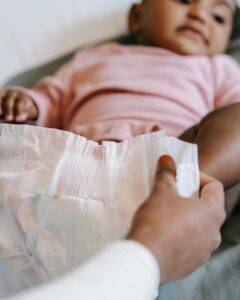
What it looks like:
- Pink or red patches
- Mostly on the cheeks of baby’s bottom
- May have small bumps
- Skin might be dry or shiny
Causes: Moisture, friction, irritation
Treatment: Barrier cream, frequent changes, air time
🫰 This is the most common type—about 80% of diaper rash.
Yeast Diaper Rash (Candida)
What it looks like:
- Deep red or purple color
- Shiny, raised patches
- Small red bumps at the edges (“satellite lesions”)
- In skin folds and creases
- Doesn’t improve with regular diaper cream
Causes: Yeast overgrowth (often after antibiotics)
Treatment: Antifungal cream (prescription or OTC like clotrimazole)
🫰 Key difference: Regular diaper cream makes yeast rash WORSE. You need antifungal treatment.
Severe Diaper Rash
What it looks like:
- Bright red, angry skin
- Open sores or bleeding
- Baby screams during diaper changes
- Skin is broken or oozing
Causes: Prolonged moisture, diarrhea, and untreated rash
Treatment: Thick barrier cream, frequent changes, doctor visit if not improving in 2-3 days
Bacterial Diaper Rash
What it looks like:
- Very red
- Pus-filled bumps
- Honey-colored crusty areas
- May have a fever
Causes: Bacterial infection (often staph or strep)
Treatment: Needs antibiotic cream or oral antibiotics—call your doctor
Allergic Reaction Diaper Rash
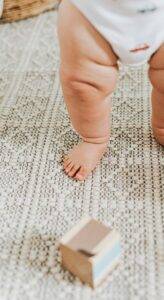
What it looks like:
- Appears suddenly after a new product
- Red, itchy, may have small bumps
- Spreads beyond the diaper area
Causes: Reaction to wipes, diaper, cream, or detergent
Treatment: Stop the product, use hypoallergenic alternatives
How to Get Rid of Diaper Rash Fast (Step-by-Step)
Here’s exactly what to do when you discover diaper rash.
Step 1: Clean Gently (This Matters More Than You Think)
Use warm water only—no soap, no wipes (for now)
How to clean:
- Use a soft washcloth with warm water
- Pat gently—don’t scrub
- Or rinse the bottom under warm running water
- Use a clean towel for each diaper change
Why skip wipes? Even “sensitive” wipes have ingredients that sting broken skin.
🫰Once the rash starts healing, you can reintroduce fragrance-free, alcohol-free wipes.
Step 2: Dry Completely (Critical Step!)
Moisture makes diaper rash worse. You MUST dry skin completely before putting on cream or a new diaper.
How to dry:
- Pat gently with a soft towel
- Air dry for 5-10 minutes if possible
- Use a fan on low setting (not directly on baby, just in the room)
- Make sure all skin folds are dry
🫰Never put cream on wet skin—it traps moisture.
Step 3: Apply Thick Barrier Cream
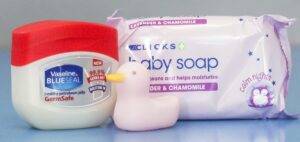
You want a thick, protective layer between skin and the next diaper.
Best diaper rash creams:
- Zinc oxide creams (the gold standard): Desitin Maximum Strength (40% zinc oxide), Boudreaux’s Butt Paste, Triple Paste
- Petroleum jelly (Aquaphor, Vaseline): Good for prevention and mild rash
How to apply:
- Use a generous amount (think “frosting a cake”)
- Cover ALL red areas
- Don’t rub it in—leave it thick on the surface
- Reapply at EVERY diaper change
🫰 Pro tip: The cream should be so thick that you can still see white on the skin from the previous application.
Step 4: Change Diapers Frequently
The key to fast healing is keeping skin dry.
How often:
- Check every 1-2 hours while awake
- Change immediately after poop
- Change as soon as you notice wetness
- Even change at night if baby wakes
🫰More changes = faster healing.
Step 5: Give Naked Time
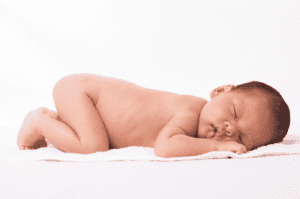 Step 5: Give Naked Time
Let baby go diaper-free for 15-30 minutes several times per day.
Why this works: Air exposure speeds healing dramatically.
How to do it safely:
- Lay baby on a waterproof pad or an old towel
- Do it in a warm room
- Stay right there (babies WILL pee!)
- Never leave baby alone
🫰 Many parents see improvement after just one day of regular naked time.
Step 6: Loosen the Diaper
Tight diapers trap moisture and increase friction.
Tips:
- Go up a diaper size temporarily
- Don’t fasten the diaper too tightly
- Make sure the diaper isn’t rubbing against the rash
- Consider overnight diapers (more absorbent)
Step 7: Watch What Baby Eats
If baby is eating solids, temporarily avoid acidic foods:
Skip for now: citrus fruits (oranges, lemons), tomatoes and tomato sauce, strawberries, and pineapple
🫰 Once the rash heals, reintroduce one at a time.
What DOESN’T Work for Diaper Rash
Let’s bust some myths and save you time and money.
Baby Powder or Cornstarch
Don’t use it.
Why: Can be inhaled and cause breathing problems. Cornstarch actually feeds yeast infections. Doesn’t prevent or treat rash.
Baking Soda
Some people swear by baking soda baths. Skip it and stick to proven treatments.
Same-day and next-day appointments available.
The truth: There’s no scientific evidence that it helps. It might even irritate the skin more.
Coconut Oil
It’s okay, but not the best. Coconut oil is natural, but doesn’t create as good a barrier as zinc oxide.
Use it for prevention or very mild rash—not for active, angry rash.
Breast Milk
Some moms apply breast milk to diaper rash. It won’t hurt, but zinc oxide works better.
The truth: Breast milk has antibacterial properties, but there’s no solid research showing it treats diaper rash.
Essential Oils
Don’t use essential oils on diaper rash. They can irritate already-damaged skin and cause allergic reactions.
Hydrocortisone Cream
Don’t use without the doctor’s approval. Only use if your pediatrician specifically recommends it. While it reduces inflammation, it:
- Can thin delicate baby skin with repeated use
- Might make yeast infections worse
- Should only be used short term
When Diaper Rash Means You Need a Doctor
Most diaper rash heals at home within 2-3 days. But sometimes you need professional help.
Call Your Pediatrician If:
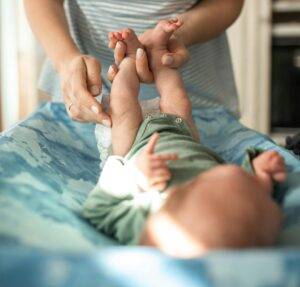
The rash isn’t improving after 2-3 days of home treatment. The rash is getting worse despite treatment
You see signs of infection:
- Pus or oozing
- Honey-colored crusts
- Spreading redness
- Fever over 100.4°F
- Baby seems sick
The rash is severe:
- Open sores or bleeding
- Baby screams in pain during changes
- Bright purple or very dark red color
You think it’s a yeast infection:
- Deep red with raised edges
- Small red bumps around the main rash
- In skin folds
- Doesn’t respond to regular cream
🫰 The rash spreads beyond the diaper area. Baby is under 6 weeks old with any rash (always check with the doctor for tiny babies)
What the Doctor Might Prescribe
- For yeast infection: nystatin cream (antifungal) or clotrimazole (OTC antifungal)
- For severe inflammation: low-dose hydrocortisone (short-term) or a combination cream with both a steroid and an antifungal
- For bacterial infection: antibiotic cream (mupirocin) or oral antibiotics if severe
🫰 Don’t be embarrassed to call. Doctors see diaper rash constantly. They’d rather you check than let it get worse.
How to Prevent Diaper Rash (So it Doesn’t Come Back)
Once you’ve healed the rash, prevent it from returning.
😀 Change Diapers Frequently
 😀 Change Diapers Frequently
The golden rule: Change diapers every 2-3 hours minimum, immediately after poop.
Overnight diapers are fine if baby isn’t waking, but check/change if they do wake.
😀 Use Barrier Cream at Every Change
Even when there’s no rash, apply a thin layer of zinc oxide or petroleum jelly. This creates a protective barrier between skin and moisture.
Think of it like sunscreen—prevention is easier than treatment.
😀 Choose the Right Diaper
Try different brands if rashes keep returning. Some babies react to certain diapers. Look for fragrance-free, dye-free and with good absorbency ratings.
Popular sensitive-skin brands: Huggies Special Delivery, Pampers Pure, Honest Company, and Seventh Generation
Some parents swear by cloth diapers, but they require proper washing (no fabric softener, double rinse).
😀 Use Fragrance-Free, Alcohol-Free Wipes
Or better yet, use water and soft washcloths. If using wipes, choose fragrance-free, alcohol-free, “sensitive skin” formulas, and water-based
Popular sensitive wipes: WaterWipes (99.9% water), Pampers Sensitive, and Huggies Natural Care
😀 Let Baby Have Naked Time Daily
Even 10-15 minutes of air exposure per day helps keep skin healthy. Make it part of your routine—maybe after bath time.
😀 Watch for Triggers

Keep a log if rashes keep happening: what baby ate that day, diaper brand, wipes used, and new products. A pattern might reveal the trigger.
😀 Wash Hands Before Diaper Changes
This prevents the spread of bacteria or yeast to the baby’s diaper area.
😀 Don’t Over-Bathe
Bathing daily can dry out skin, making it more prone to rash.
For babies: 2-3 baths per week are plenty (unless they’re super messy). Use mild, fragrance-free baby wash.
Special Situations: Diaper Rash Challenges
Diaper Rash During Diarrhea
Diarrhea causes the worst diaper rashes due to frequent and acidic poop, constant wetness, and more diaper changes (more wiping). You may need extra steps:
- Change diaper immediately—check constantly
- Use water instead of wipes
- Apply THICK barrier cream
- Extra naked time
- Consider a sitz bath (baby sits in warm water)
🫰 The rash should improve once diarrhea stops.
Diaper Rash While Teething
Many babies get diaper rash when teething.
Why it happens (theory): more drool gets swallowed, changes the poop composition, and poop becomes more acidic. Here’s what to do:
- Extra vigilant diaper changes
- Barrier cream at every change
- Avoid acidic foods
Cloth Diaper Diaper Rash
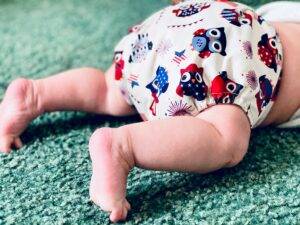
Cloth diapers can cause a rash if not washed properly. Observe these steps for proper washing:
- Pre-rinse to remove waste
- Hot wash with cloth-diaper-safe detergent
- Double rinse
- No fabric softener (reduces absorbency)
- Dry completely
🫰 If rash persists: Strip diapers (deep clean) or temporarily switch to disposables to heal rash.
Diaper Rash in Older Toddlers
Toddlers still in diapers can get a rash, especially if using pull-ups that hold less, less frequent change (potty training), and drinking more juice (acidic). Solution:
- Check/change more often
- Use regular diapers instead of pull-ups during rash
- Apply barrier cream
Natural Remedies That Actually Work
If you prefer natural approaches, these have some evidence:
- Zinc Oxide (Natural Mineral): This is the gold standard, and it’s a natural mineral. Most “natural” diaper creams contain zinc oxide.
- Petroleum Jelly: Not “natural” but very safe and effective for mild rash and prevention.
- Shea Butter: Natural, mild moisturizer. Okay for prevention, but not as effective as zinc oxide for active rash.
- Calendula Cream: Some parents find calendula helpful. Limited research, but generally safe.
- Oatmeal Bath: Some evidence that colloidal oatmeal soothes irritated skin. This won’t cure a severe rash, but may provide relief.
How to do it:
- Grind oats into fine powder (or buy colloidal oatmeal like Aveeno)
- Add to a lukewarm bath
- Let baby soak for 10-15 minutes
- Pat dry gently
🫰 Bottom line: Zinc oxide is natural AND most effective. Start there.
Your Diaper Rash Action Plan
Baby has a diaper rash right now? Here’s your checklist:
 Immediate actions:
- Clean with warm water only (no wipes)
- Pat completely dry
- Apply thick zinc oxide cream
- Give 15 minutes of naked time
- Put on a fresh, loose diaper
Throughout the day:
- Check the diaper every 1-2 hours
- Change immediately when wet or soiled
- Reapply thick cream at every change
- Give naked time 2-3 times
Expect improvement:
- Mild rash: 24-48 hours
- Moderate rash: 2-3 days
- Severe rash: 3-5 days
Call the doctor if:
- No improvement after 2-3 days
- Getting worse
- Signs of infection
- Baby seems very uncomfortable
You’re Not a Bad Parent
Finding diaper rash doesn’t mean you’re neglectful or doing something wrong. Almost every baby gets diaper rash.
Even babies who get changed constantly. Even babies with the most expensive diapers and creams. Sometimes it just happens.
What makes you a good parent is that you’re here, learning how to help your baby feel better.
How to get rid of diaper rash fast: Frequent changes, thick barrier cream, naked time, and patience.
Most rashes heal within 2-3 days with proper care. Your baby will be comfortable again soon.
Need more expert advice on caring for your baby? Visit Omegapediatrics.com for trusted pediatric guidance on all things baby health.
You’ve got this, mama. That rash will be gone before you know it.