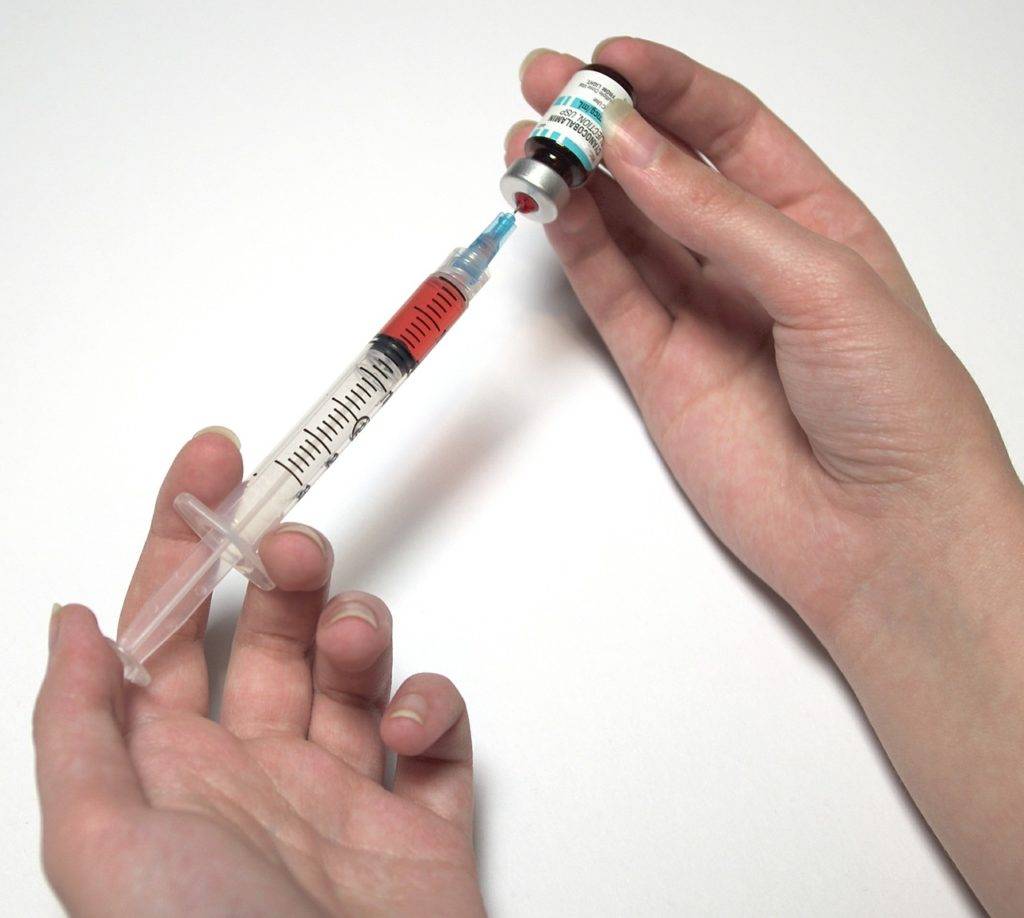
Keeping your child’s vaccination schedule up to date is one of the most powerful ways you can protect them—and the community—from serious illness.

This article will give you easy-to-follow steps (and practical tips) to get your child’s vaccination schedule up to date, framed in the caring, parent-friendly style you find at Omega Pediatrics. We’ll walk through what you need to know, how to act, and how to stay on top of things. Let’s get started.
Why “On-Schedule” Vaccinations Matter
First, let’s pause and understand why it’s so critical to follow your child’s vaccination schedule. It’s not just routine—it’s protection.
Building Immunity at the Right Time
Immune systems (the body’s defense system) are stronger when they face certain germs at specific ages. Experts choose vaccine timing so your child is protected when they are most vulnerable. If you delay vaccines, the gap leaves your child exposed to preventable illnesses.
For example, many vaccines should be given by 2 years of age to be most effective.
Protecting Your Child and Others
When your child is vaccinated on time, not only are they safeguarded, but they also help protect more vulnerable children (for example, those who cannot be vaccinated for medical reasons). Omega Pediatrics highlights this community benefit.
Avoiding Catch-Up Stress

When the schedule slips, catching up becomes more complicated. Special catch-up plans are needed. Each vaccine has timing and guidelines, so starting late increases the risk of missed or improperly spaced doses.
Step 1: Collect and Review Your Child’s Vaccine Records
Before you can “get ahead,” you need to know exactly where you stand. This is the foundation.
Gather documents
Check wherever your child has been seen—hospital at birth, pediatric clinic, public health clinic, and school records. Ask for a copy of their immunization history. If the records are old or inconsistent, contact previous providers.
Many pediatric clinics (like Omega Pediatrics) maintain digital records and can pull them up when requested.
Create a single master list
Use a spreadsheet, notebook, or an app to compile all vaccines received, the date when administered, the vaccine name, and the number of doses. Having one master list makes it far easier to spot “what’s missing.”
Identify missing or overdue vaccines
Compare your child’s list to the standard vaccine schedule (for your country/region). The standard list shows vaccines like Hepatitis B, DTaP (diphtheria, tetanus, pertussis), IPV (polio), MMR (measles, mumps, rubella), varicella, and others are given at specific ages. Mark those missing or overdue.
Step 2: Consult Your Pediatrician and Discuss a Catch-Up Plan
Once you determine what’s missing, connect with your child’s doctor for expert guidance.
Bring the medical records and your list to the appointment

Go to the clinic prepared with:
- Your master list of vaccinations
- Any questions about past doses or confusion
- Concerns on timing or side effects (if any)
Ask about the “catch-up schedule”
If your child is behind, the doctor will outline how to catch up—what doses can be given now, which ones need spacing, and which vaccines must be prioritized. The CDC schedule is designed so that catch-up is possible.
Address your concerns
Many parents have questions or worries about vaccines. Doctors should openly address common misconceptions (for example, that vaccines overload the immune system). Use this visit to ask:
- Are there any medically valid reasons my child should delay?
- Which vaccines are most urgent now?
- What side effects are possible—and how do you manage them?
Set upcoming appointment(s)
Work with the doctor’s office to schedule the needed visits. Catch-up often means more frequent visits in a shorter time. Make sure you leave the clinic with a clear appointment plan.
Step 3: Prioritize the Most Critical Vaccines
In a catch-up scenario, you may not need to fix everything at once. Instead, focus on the “most critical” vaccines first.

Which vaccines tend to have the highest urgency?
Based on standard schedules, these can be considered high-priority:
- Vaccines given very early in life (e.g., Hepatitis B at birth)
- Vaccines for illnesses with serious complications (e.g., DTaP for pertussis, IPV for polio)
- Vaccines required for school entry or certain age thresholds
Build a triage list
With your pediatrician, rank which vaccines your child missed in order of urgency. For example:
- Infant series (if late)
- Up-to-date before school or daycare entry
- Teenage vaccines (e.g., HPV, meningococcal) later
Ask when spacing is flexible
Sometimes doses can be given closer together than originally planned (catch-up flexibility). The Cleveland Clinic article mentions that a child who is behind should still aim to complete the series rather than ignore it. Your doctor will tell you exactly how they can “compress” the timeline safely.
Step 4: Use Reminders, Calendars, and Technology to Stay On-Track
Once you start the plan, keeping track becomes the next challenge. Use tools and techniques to stay ahead.

Calendar reminders
Put upcoming vaccine dates into your phone calendar (with alerts a day before and the morning of). Also consider setting reminders for:
- When the dose must be given by (deadline)
- Follow-up visits
- Booster or yearly shots (e.g., flu)
Use immunization tracking apps or portals
Many clinics offer patient portals where you can see upcoming vaccines and get notifications. Some public health systems offer apps for vaccine tracking. The Omega blog suggests setting reminders as one of the key tips.
Keep your master list updated after each visit
After each vaccine appointment:
- Update your master list (vaccine, dose number, date)
- Tick off the item as “done”
- Note the next due date or any future dose
Set backup reminders for booster or annual shots
Some vaccines (like influenza) must be repeated yearly. Include these in your system so they aren’t forgotten.

Step 5: Understand the Community Impact of Staying Up-to-Date
While vaccines protect your child, they also serve a much larger purpose—protecting everyone around them.
The Power of Herd Immunity
When enough people in a community are vaccinated, diseases have fewer chances to spread. This concept is called herd immunity—it protects those who can’t get vaccinated (like newborns or people with weak immune systems).
Same-day and next-day appointments available.
Omega Pediatrics emphasizes that “each vaccinated child adds a shield to the community,” reducing outbreaks of diseases like measles or whooping cough.
Why This Matters Locally
If vaccination rates drop in a community, outbreaks can return—even for diseases once considered rare. According to the CDC, localized outbreaks of measles and pertussis often start in under-vaccinated areas.
By ensuring your child’s vaccines are current, you help safeguard your neighbors, classmates, and even elderly relatives.
Teaching Children About Helping Others
You can explain to older kids that staying up to date helps “protect their friends and family.” It turns vaccination into an act of kindness—a message that builds empathy and community spirit early on.

Step 6: Address Vaccine-Hesitancy and Educate Yourself
Fear, doubt, or confusion can delay vaccines. Knowing how to manage hesitancy helps you keep your child’s schedule on target. Pediatricians play a key role in educating and supporting families about vaccines.
Common concerns and how to respond
- Myth: Vaccines cause autism. Extensive studies have disproven this.
- Myth: Too many vaccines at once overwhelm the immune system. Actually, the body handles many antigens daily; the schedule is safe.
- Myth: Natural infection is better than vaccination. While natural immunity may exist, the risks of disease (serious complications) generally outweigh the benefits of skipping vaccines.
Seek trustworthy sources
- Official sites: Centers for Disease Control and Prevention (CDC), World Health Organization (WHO)
- Reputable pediatric clinics (like Omega Pediatrics)
- Your child’s doctor (ask questions openly)
Talk about it with your child (age-appropriately)
For older children, explain why vaccines matter: they protect them so they can stay healthy, go to school, play with friends, and travel if needed. Framing it as a positive “healthy hero” step helps reduce fear.

Plan for how you’ll handle minor side effects
Even though vaccines are safe, minor side effects (like soreness and mild fever) can happen. Knowing how to respond (e.g., acetaminophen if advised, cool compress) helps you feel prepared and confident—and that confidence helps your child too.
Step 7: Make It a Positive Experience for Your Child
How you approach the visit can affect how your child feels—making the process smoother now makes future visits less stressful.
Talk ahead of time
Say something like, “Tomorrow you’ll get a little shot to help keep your body strong against germs.” Keep the tone calm, positive, and reassuring.
Bring comfort items
For younger children: favourite toy, blanket, or parent holding. For older kids: a distraction like a phone game or something to look forward to after the visit.
Plan a small reward or break afterwards
Nothing large, just maybe something simple—ice cream, a sticker, or reading a story together. This links the visit with a positive outcome.
Explain the post-shot care
Let your child know: “You might feel a little sore or tired; that’s okay. We’ll have some water and rest.” Helps them feel less apprehensive and more in control.
Step 8: Monitor and Stay Ahead for Future Ages
Vaccination doesn’t stop at infancy or early childhood. Staying up to date also means planning.
Recognise age-specific vaccines
These are recommended as per standard immunization schedules. For example, by ages 11–12 years, children often need:
- A booster for Tdap (tetanus, diphtheria, pertussis)
- HPV (human papillomavirus) vaccine
- Meningococcal vaccine
Annual or seasonal vaccines
Some vaccines, like the flu shot, are given every year. The “catch-up” plan should include these recurring vaccines as part of the yearly health routine.
Well-child visits = check-points
Many vaccine doses align naturally with well-child visits (routine checkups). If you are consistent with these visits, staying ahead becomes parallel to general care. Pediatricians “monitor your vaccination calendar.”
Update your master list each year
At the beginning or end of each year, review your child’s vaccine list:
- Are they current for their age?
- Do any upcoming doses or boosters need scheduling?
- Have new vaccines been recommended (e.g., updated flu variant)?
Step 9: What to Do if You’re Starting Late or Missed Doses
If you’re reading this and your child is already behind, don’t panic. Many children get back on track successfully—doing so is very worthwhile.
Understand it’s still beneficial
While being on time is ideal, being delayed doesn’t mean “never.” The important thing is to catch up, not give up. The timing of each vaccine affects protection, but if behind, a catch-up plan can still work.
Work with your pediatrician to compress the plan
Your doctor will tell you how to space the remaining doses safely. Some vaccines allow flexibility in timing, while others need specific intervals. You might ask, “Which vaccines have to be done immediately? Which ones can follow later safely?”

Track the catch-up closely
When you are behind, keeping track becomes even more important:
- Schedule the next visit before you leave the clinic
- Set reminders for each dose
- Update your records right after each shot
Manage any special considerations
If your child has health conditions (immune issues, chronic illness) or if you are in a region with different vaccine recommendations (travel, local outbreaks), your doctor may tailor the plan accordingly. Tailored advice is especially important in a catch-up scenario.
Bringing It All Together: Your Action Plan
Here’s a summary checklist you can follow to turn your vaccination schedule into action. Use it as your parent-friendly roadmap.
- Gather records: Collect your child’s full immunization history and build a master list.
- Visit the pediatrician: Bring the records and discuss a catch-up or on-schedule plan.
- Prioritise vaccines: With the doctor, mark which doses are most urgent now.
- Schedule appointments and reminders: Set calendar alerts, and use clinic reminder services or apps.
- Talk and reassure your child: Explain in simple terms what’s happening and why.
- Update your list after each visit: Include vaccine name, date, and next due dose.
- Review annually: Check for upcoming age-specific vaccines or boosters.
- Don’t delay catching up: If behind, work actively with your doctor and track closely.
A Note on Trust and Empowerment
Pediatricians are strong partners in helping parents navigate vaccination schedules and any concerns. By being informed, organized, and proactive, you become an empowered parent who protects your child with confidence.
Update Your Child’s Vaccination Schedule

Updating your child’s vaccination schedule may feel like a big project, but it’s absolutely doable. Breaking it down into the steps outlined above helps you stay organized, calm, and on track.
Remember: this isn’t just about checking a list. It’s about building your child’s protection, reducing worry, and enabling them to enjoy healthy years of play, school, and growth. When you follow the vaccination schedule—and partner with your pediatrician—you give your child a strong foundation.
Be the parent who says, “Yes, we’re up to date on the vaccination schedule; we’ve got this.” Because you do. Thank you for taking this important step. Your child’s future self (and theirs) will thank you.