Bringing a new baby into the world is one of life’s most beautiful experiences. As parents, we all want to ensure that our little ones start life on the healthiest path possible. One of the simplest yet most powerful steps we can take happens within the very first day of life—giving the birth dose of the hepatitis B vaccine.

But how effective is this tiny shot in preventing perinatal (mother-to-child) transmission of hepatitis B? Let’s explore what science says, why timing matters so much, and how this single vaccine dose can make a lifelong difference.
Understanding Perinatal Transmission: Why It Matters
Before we talk about how the birth dose helps, it’s important to understand what perinatal transmission means. Perinatal transmission occurs when a mother infected with the hepatitis B virus (HBV) passes the infection to her baby during childbirth.
This is one of the most common ways the virus spreads in areas where hepatitis B is still prevalent. Here’s the scary part: If a baby contracts hepatitis B at birth and the infection is not prevented or treated, there’s up to a 90% chance the baby will develop a chronic infection.
Chronic hepatitis B can silently damage the liver over the years, eventually leading to cirrhosis or liver cancer. That’s why prevention—right from birth—is crucial.
What is the Hepatitis B Birth Dose?
The Hepatitis B birth dose is the first shot in the Hepatitis B vaccine series. It’s usually given within 24 hours of birth—ideally before the baby even leaves the delivery room. According to the Centers for Disease Control and Prevention (CDC), this early timing is not just a recommendation—it’s essential.
The birth dose provides a vital layer of protection while the baby’s immune system is still developing. It’s the baby’s first shield against a virus that can cause lifelong complications.
How Does the Birth Dose Work?
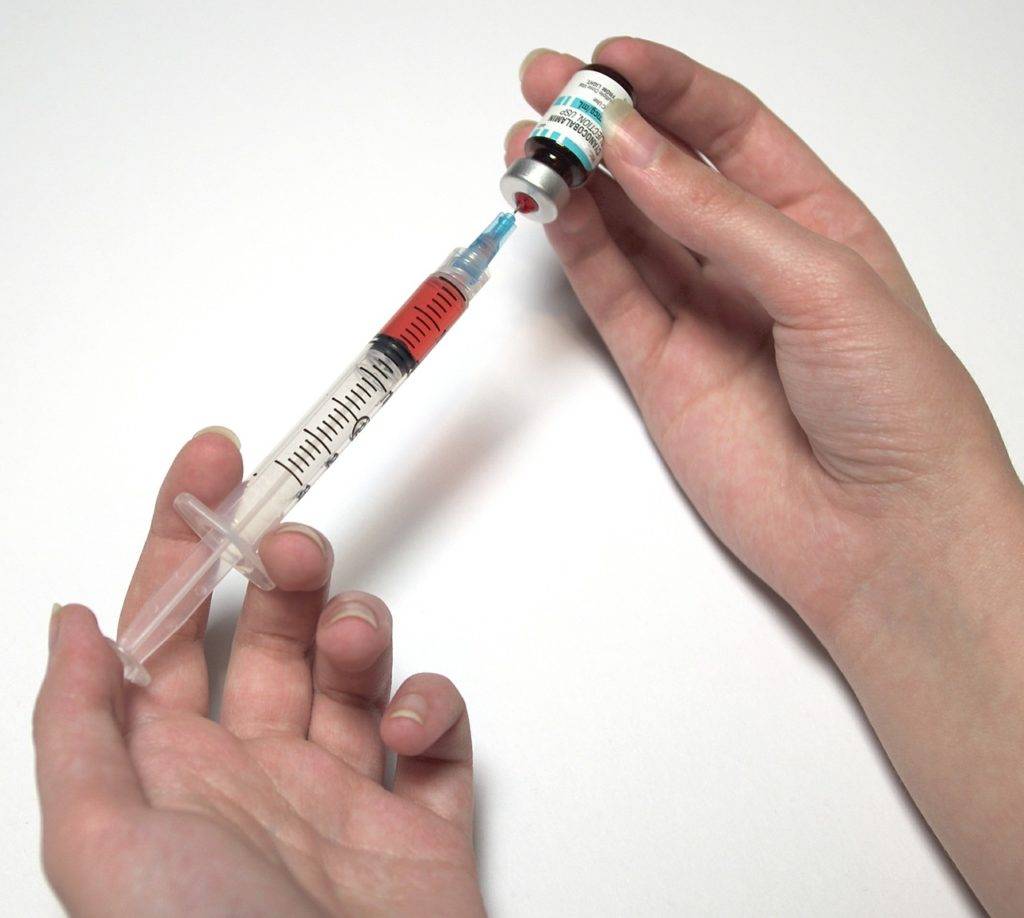
The hepatitis B vaccine works by introducing a non-infectious part of the hepatitis B virus to the immune system. This means the baby’s body learns to recognize and fight the real virus without ever being exposed to it. Once the vaccine is given, the baby’s immune system starts producing protective antibodies.
These antibodies remain ready to fight off the virus if exposure ever happens—such as during birth from an infected mother. In short, this early vaccine teaches the immune system how to protect itself before it’s even threatened.
Why Timing Is Everything: The 24-Hour Rule
You might wonder—what difference does a few hours make? The answer: a huge one. Studies show that giving the birth dose within 12 to 24 hours after birth can prevent up to 95% of perinatal hepatitis B infections when followed by the complete vaccine series.
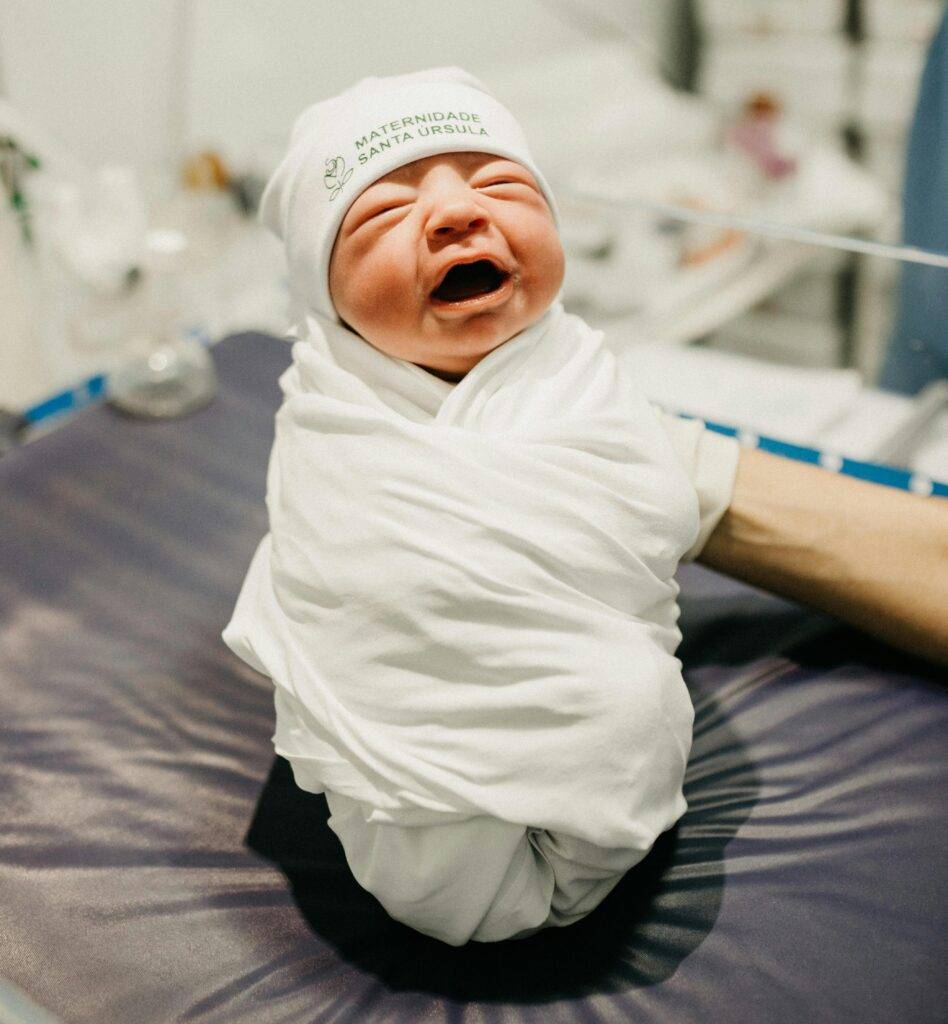
However, if the first dose is delayed even a few days, the risk of infection increases dramatically. The reason is that the virus can enter the baby’s bloodstream during delivery. Once it starts multiplying, the vaccine has a much harder job to do.
That’s why Omega Pediatrics and the World Health Organization emphasize that the birth dose is non-negotiable—it’s a must-have protection, not a maybe.
For more details, check out Omega Pediatrics’ post: Hepa B Vaccine at Birth Is Non-Negotiable.
The Science Behind Its Effectiveness
So, how well does the birth dose really work? Let’s look at the numbers. According to global health studies:
- When given within 12–24 hours, the hepatitis B birth dose prevents infection in 90–95% of newborns born to infected mothers.
- When combined with Hepatitis B immunoglobulin (HBIG)—another preventive injection given to high-risk babies—protection rises to 98–99% effectiveness.
- Babies who miss the timely birth dose face a 30–90% chance of infection if the mother carries the virus.
These numbers are not just statistics—they’re proof that one shot can change a life’s trajectory.
What Happens if the Birth Dose Is Missed?
If a newborn misses the birth dose, all is not lost, but the window of maximum protection closes quickly. A late vaccination can still help, but its effectiveness drops significantly. That’s because the virus may already have entered the baby’s liver cells.
In such cases, doctors may still recommend completing the hepatitis B vaccine series and possibly using additional treatments to reduce the risk of chronic infection. Still, nothing compares to the power of that first, timely dose.
The Role of the Hepatitis B Vaccine Series
While the birth dose offers immediate protection, it’s just the first step in full immunity. The complete hepatitis B vaccination series usually involves three or four doses given over several months. Each dose boosts the immune system’s ability to recognize and fight the virus.
By the end of the series, the child’s protection against hepatitis B is long-lasting—often extending well into adulthood. This is why pediatricians stress that completing the full schedule is as important as giving the first shot. Skipping later doses weakens the shield of protection that the birth dose started building.
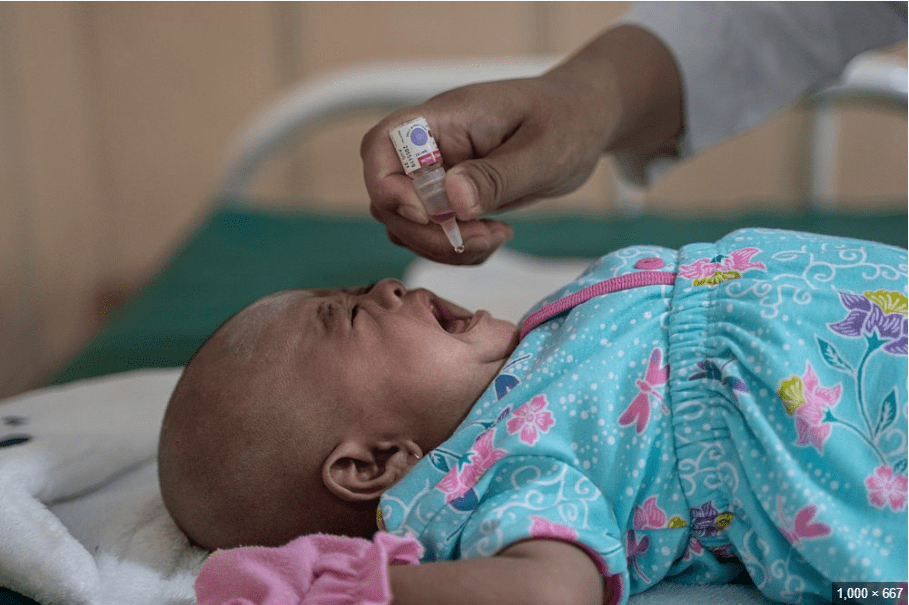
For a deeper look at the benefits of completing the series, visit Omega Pediatrics’ article on Hepatitis B Vaccine: Key Health Benefits.
Global Success Stories: The Power of Prevention
Countries that implemented the universal birth dose policy have seen tremendous success in reducing hepatitis B transmission. For instance:
- Taiwan, which introduced the hepatitis B birth dose in the 1980s, saw chronic infection rates in children drop from 10% to less than 1%.
- The United States has also seen a significant decline in childhood hepatitis B infections since adopting routine newborn vaccination in 1991.
- Africa and Southeast Asia are following suit, and as coverage improves, infection rates continue to fall.
Each story tells us one thing: the earlier we protect, the healthier our future generations will be.
Common Concerns from Parents and How to Address Them
Even though the science is clear, it’s natural for parents to have questions or worries. The decision to vaccinate your newborn can feel big—especially when it happens right after birth. Here are a few common concerns and how pediatricians address them:
Will the Vaccine Hurt My Baby?
The shot may cause brief discomfort, but it lasts only seconds. The long-term benefits far outweigh the short-term sting.
Why Does My Baby Need It So Soon?
Because Hepatitis B can spread during birth, the vaccine needs to act fast to prevent infection from taking hold.
Can I Wait a Few Days?
Delaying the birth dose significantly reduces its effectiveness. Early protection is the safest choice.
Same-day and next-day appointments available.
😀 Omega Pediatrics encourages parents to speak openly with their doctor before delivery to understand the importance of newborn vaccinations and feel confident in their decision.
Myths vs. Facts About the Birth Dose
There are still a few myths floating around about the hepatitis B vaccine, especially when it comes to giving it so early in life. Let’s clear up a few of them.

Myth 1: Newborns are Too Young to Get Vaccines
Fact: Babies’ immune systems are capable of responding to vaccines. They need early protection precisely because their immune systems are still developing.
Myth 2: The Mother Tested Negative, so the Baby Doesn’t Need the Shot
Fact: While most mothers are screened, mistakes can happen. Some may get infected late in pregnancy or during delivery. The birth dose ensures protection even in those rare cases.
Myth 3: The Vaccine has Side Effects
Fact: The hepatitis B vaccine is extremely safe. Mild redness or soreness at the injection site is normal and temporary. Serious side effects are exceedingly rare.
The Role of Parents: Advocating for Protection
Parents play a crucial role in ensuring their baby gets the birth dose on time. This small act of awareness can protect your child from a lifetime of potential illness. That means:
- Asking the healthcare team before delivery about the hospital’s vaccination policy.
- Reminding staff to give the shot within the first 24 hours.
- Keeping vaccination records safe and up-to-date.
Global Recommendations: What the Experts Say
Every major health organization agrees on the importance of the hepatitis B birth dose.
- World Health Organization (WHO) recommends every newborn—regardless of maternal hepatitis B status—receive the vaccine within 24 hours.
- CDC and the American Academy of Pediatrics (AAP) both include the birth dose as part of the standard immunization schedule in the United States.
These guidelines exist because the data is clear: timely vaccination saves lives.
The Birth Dose and Lifelong Health
The impact of the hepatitis B birth dose doesn’t stop in infancy—it’s the first building block in a lifelong defense system. Think of it as giving your baby’s immune system a “head start” that continues protecting them for decades.
When a newborn receives the hepatitis B vaccine at birth, their immune system begins learning to recognize and remember the hepatitis B virus. This early “lesson” trains the body’s defense cells to spring into action if the real virus ever appears.
The result? Long-term immunity that shields them from a serious, chronic infection. But this protection doesn’t happen from one dose alone. The birth dose is followed by a series of additional shots—typically at one to two months and again at six months.
Completing this full series ensures the body produces a strong and lasting immune response.
👏 Long-Term Protection That Lasts for Decades
Studies show that people who receive the full hepatitis B vaccine series during infancy can remain protected well into adulthood. Some research even finds antibodies present 30 years or more after vaccination—meaning their immune systems are still ready to fight off the virus decades later.
What’s even more encouraging is that, in most people, immunity lasts even if measurable antibodies seem to fade. This happens because the immune system retains a “memory” of the hepatitis B virus. If exposure ever occurs, the body quickly reactivates its defenses and stops the infection before it can cause harm.
So, the protection you give your baby in those first few hours of life can truly last a lifetime.
👏 Lifelong Immunity Helps Prevent Future Health Problems
By preventing hepatitis B infection early, the vaccine also prevents the long-term complications associated with the disease. Chronic Hepatitis B can cause liver inflammation, scarring (called cirrhosis), and even liver cancer later in life.
When you protect your child from hepatitis B at birth, you’re not just keeping them healthy as a baby—you’re protecting them from illnesses that could appear decades later. That’s a powerful gift. For many families, this peace of mind is priceless.
This means fewer medical worries, fewer hospital visits, and a much lower chance of serious liver problems in the future.
👏 Community Benefit: Protecting Others, Too
Another amazing part of the hepatitis B vaccine’s lifelong impact is that it doesn’t only protect your child—it helps protect your whole community. When most babies and children are vaccinated, the virus has fewer chances to spread.
This creates what doctors call “herd immunity”—a form of community-wide protection that keeps even unvaccinated people safer. For example, if nearly every newborn receives the hepatitis B vaccine, the virus finds fewer hosts to infect. Over time, this dramatically reduces new cases across entire populations.
That’s why countries that have high vaccination rates also see sharp drops in liver cancer and chronic liver disease years later. Your baby’s shot today could help prevent another child’s illness tomorrow.
A Small Shot, A Giant Step for Your Baby’s Future
The hepatitis B birth dose might seem like just another item on the long list of newborn care steps—but it’s so much more than that. It’s a powerful act of protection that gives your baby a healthier, safer start.

Science, global data, and decades of real-world success all point to the same truth: the hepatitis B birth dose is one of the most effective tools in preventing perinatal transmission. It’s quick. It’s safe. And it works.
As Omega Pediatrics reminds us—every child deserves the healthiest beginning possible, and the birth dose makes that happen.
Key Takeaways
Here’s what every parent should remember about the Hepatitis B birth dose:
✅ Give the first shot within 12–24 hours after birth
✅ Combine it with HBIG for babies born to infected mothers
✅ Follow up with the full vaccine series for complete protection
✅ Keep records of all vaccinations
✅ Know that it’s safe, effective, and lifesaving
For More Information
If you’d like to learn more about why the Hepatitis B vaccine matters so much, visit: Hepatitis B Vaccine at Birth is Non-Negotiable for 4 Reasons (Like a Seatbelt for Your Baby’s Liver). This article dives deeper into how vaccination at birth protects not only your baby but your entire community.