Watching over your baby’s health is one of the most powerful feelings a parent can have. You want to feel confident, calm, and completely in control.
That’s why this guide will help you understand how to monitor your baby’s immune system (the body’s defense network)—what to look for, how to take action, and when to call for help. At Omega Pediatrics, we believe every parent can feel empowered, informed, and supported.

Why Monitor Your Baby’s Immunity? Understanding the Basics
Your baby’s immune system is not a fully built fortress at birth. It’s more like a budding army, still learning the terrain. Monitoring it isn’t just about “Is baby sick or not?” It’s about noticing the subtle signs that the immune army is strong, growing, and ready to defend.
What Does “Immune System” Mean in Babies?
The immune system (in simple terms) is the body’s “defense team” that fights germs (viruses, bacteria) and helps keep your baby healthy. At birth, the baby’s immune defenses are not as robust as an older child’s. That’s why infections can happen more easily and why monitoring matters. Babies rely on:
- antibodies (proteins that recognise germs) from their mother (if breastfed)
- their own immune cells that gradually mature
- good nutrition, sleep, environment to build strength
Why is the Immune System Especially Important for Babies
- Babies have less exposure, so their immune system hasn’t “trained” as much yet.
- Some protective antibodies from the mother decrease over the first months.
- Their body systems (lungs, gut, skin) are still developing—the defense walls are still being built.
- Good immune health sets the foundation for lifelong wellness: fewer infections, better growth, and fewer complications.
Key Signs Your Baby’s Immune System Is On Track
You don’t need complex lab tests at home. Many signs and habits can give you a clear idea if your baby’s immune defense is heading in the right direction. Think of it like checking the engine while the car is still under warranty—it’s preventative care.
1. Healthy Routines = Healthy Immunity

Here are some habits that show the immune system is being supported:
- Regular feedings (breast milk or formula), then a good solid-food transition when appropriate. Nutrition matters for immunity.
- Consistent sleep and rest. Babies who sleep well give their immune system a chance to recharge.
- Clean environment and reduced exposures. When you reduce germ loads and environmental stressors (like smoke and poor air quality), the immune system doesn’t constantly have to fight—and that’s a good thing.
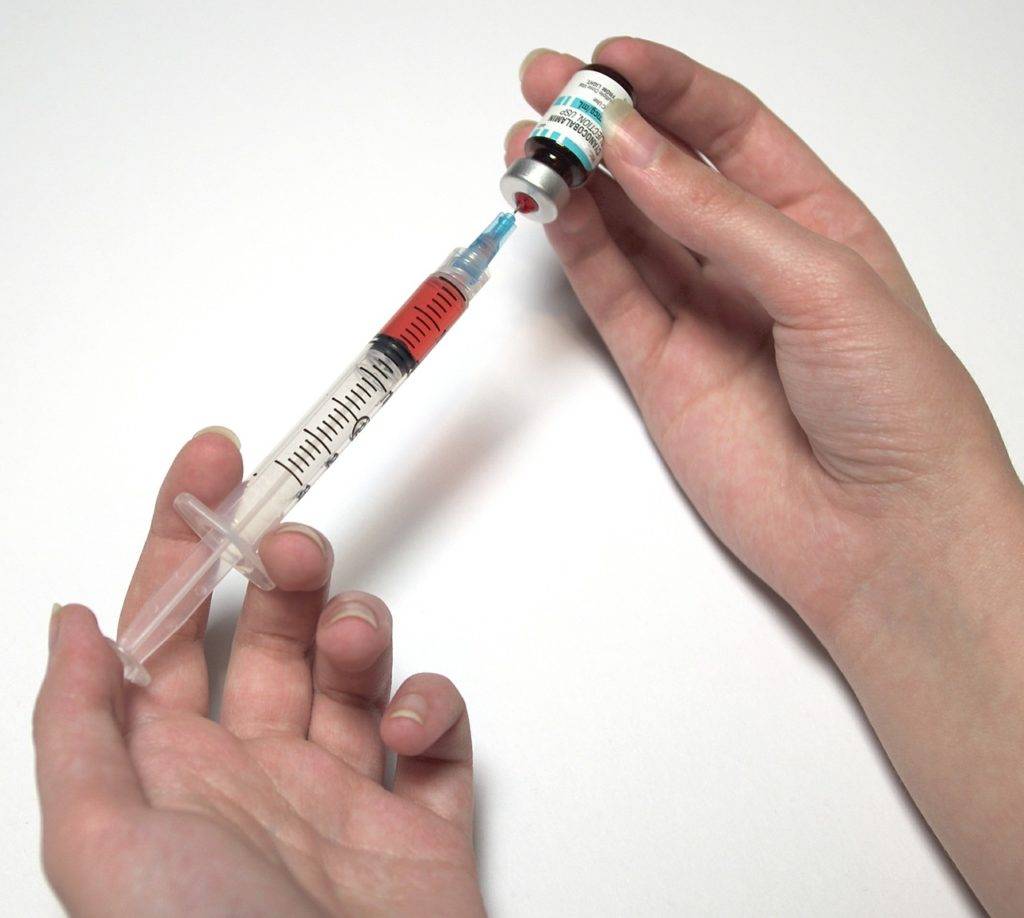
- Vaccinations are on schedule. These support your baby’s immune system to know what to fight and how—like giving the army training drills.
- Good feeding transitions. When solids begin, make sure they provide immunity-building nutrients.
2. Watch for Red Flags
While normal infections happen, repeated or severe issues may flag that immune monitoring is needed. Here are some signs to watch for. If you notice these, discuss with your pediatrician. These might signal the immune system needs support or assessment.
- Frequent or unusually severe infections (e.g., many ear infections, pneumonia)
- Very slow recovery from illness
- Failure to thrive (poor weight gain or growth)
- Persistent gastrointestinal problems (chronic diarrhea or vomiting)
- Skin issues, rashes, or eczema that are persistent or severe
- Poor feeding, persistent low energy, or very low urinary output
Step-by-Step: How to Monitor Your Baby’s Immunity at Home
Here’s a simple, practical checklist parents can follow. Think of it like a weekly and monthly “well-baby immune check.”
3. Weekly-to-biweekly check-in
- Count the number of wet diapers and bowel movements: a well-fed baby with good hydration and immune health tends to have 6+ wet diapers in 24 hours (depending on age) and regular bowel movements.
- Observe sleep-wake cycles: Is your baby sleeping and waking according to age norms (newborns 14-17 hours; older infants less)? Poor sleep=immune stress.
- Monitor feeding: Are feeds consistent? Any drop in appetite? A sudden drop may signal an immune challenge.
- Note any runny nose, cough, or minor fever: mild illness is normal, but watch for patterns or frequent recurrences.
- Environmental scan: Has there been exposure to smoke, crowded places, or older siblings bringing home germs? Minimizing exposure supports immunity.
4. Monthly and milestone check-in

- Growth tracking: Is your baby growing along their chart? Weight, length, and head circumference. Slower growth may reflect underlying immune or nutritional issues.
- Immune health habits: Are you staying up to date on vaccinations, breastfeeding/feeding plans, and introducing solids properly?
- Nutrition review: Once solids begin, ensure foods rich in nutrients that support immunity: vitamin C, zinc, and omega-3 fats. Studies show omega-3 fatty acids in early life support immune cell membranes.
- Sleep environment: Is your baby sleeping in a calm, smoke-free, well-ventilated room? Good air quality supports immune function.
- Infection history: How many illnesses has your baby had in the last month? Are they resolving well? Frequent recurring ones may prompt a pediatric review.
5. Documenting and sharing with your paediatrician
Keep a simple log: date, feed count, wet diaper count, sleep hours, and minor illness episodes. This helps identify trends. At each wellness visit, share your log—this gives your pediatrician a clearer picture of your baby’s immune health over time.
Key Habits to Support a Strong Immune System
Monitoring is great, but supporting is equally vital. These are evidence-based practices you can build into your daily routine to nurture your baby’s immunity.
Nutrition Matters—”you are what your baby eats”
- Breastfeeding: If possible, breast milk provides antibodies and immune factors to your baby’s system.
- Balanced solid foods: When your baby is ready for solids, include colorful fruits and vegetables, whole grains, lean proteins, and healthy fats.
- Omega-3 fatty acids: These fats (found in fish, flaxseed, and chia) help immune cell membranes stay functional and calm inflammatory overshoots.
- Vitamin C, zinc, and selenium: These nutrients consistently show up in immune health checklists. Vitamin C and sleep are keys to building a healthy immune system.
- Limit processed and sugary foods: In older infants and toddlers, high sugar loads can reduce immune efficiency.
Sleep and Rest—the unseen immune builder

Sleep isn’t just for rest—it’s when the body repairs and the immune system reorganizes its defenses. Good sleep routines, calming environments, and reduced screen exposure (as they grow) all support immunity. For infants:
- Newborns: ~14-17 hours per 24 hours (including naps)
- Older infants: ~12-15 hours per 24 hours
Vaccination and Preventive Care
Vaccinations (immunizations) are key to training the immune system. They allow the baby’s immune army to recognize threats ahead of time. Ensure your baby stays up-to-date on recommended vaccines per schedule.
Environment: Shielding Without Isolating
- Keep your baby’s environment smoke-free (including third-hand smoke on clothing/furniture).
- Ensure good ventilation, clean air, and reduced use of harsh chemicals or strong fragrances.
- Encourage hand-washing for everyone who handles the baby. Hand-washing is foundational for immune protection.
- Avoid overcrowded places, especially when your baby is very young or unvaccinated.
When to Seek Professional Evaluation—Don’t Wait, Recognize
Monitoring and support are fantastic, but sometimes the immune system may need deeper evaluation by a pediatric immunologist. Here’s how you know when to act.
Warning Signs That Warrant a Pediatric Visit
- More than 8–10 infections in a year (ear infections, sinus, pneumonia)
- Hospitalisation for infections, or very severe infections (meningitis)
- Poor growth despite good nutrition and no obvious reasons
- Persistent diarrhea, vomiting, failure to thrive
- Unusual infections (fungal infections, opportunistic infections)
- Family history of immune deficiency or extremely recurrent illnesses
- Unexplained bruising or bleeding, or other signs of immune system malfunction
If you see any of these, ask your pediatrician about further immune function testing.
Tests That Might Be Done
Your pediatrician may order blood tests such as immunoglobulin levels (IgG/IgA/IgM), lymphocyte counts, and vaccine response tests (if baby produces antibodies after a vaccine). They may also consult a specialist in pediatric immunology. These aren’t routine for all babies, but are used when there’s concern.
Long-Term Benefits of Immune Monitoring
Caring for your baby’s immune system isn’t just about keeping them from catching colds. It’s about building a strong foundation for their future. Every good habit you create now—from nutrition and sleep to environment and emotional connection—helps shape how your child grows, learns, and thrives.
Let’s look at the long-term benefits closely.
😀 Strengthening Their Growth Potential
A healthy immune system supports proper growth because the body doesn’t have to use extra energy fighting constant infections. Babies who have fewer, shorter illnesses can focus their body’s resources on what truly matters—growing strong bones, healthy muscles, and developing vital organs.
Simply put, a strong immune system frees up your baby’s energy to grow, explore, and thrive.
😀 Decreasing Chances of Serious Infections
By watching your baby’s immune patterns—appetite, sleep, response to minor illnesses—you catch small problems early before they become major ones. Early detection is one of the best ways to prevent serious infections.
Same-day and next-day appointments available.
Vaccinations, proper nutrition, and environmental care also mean your baby’s immune “army” stays trained and ready. Over time, this reduces the likelihood of hospitalizations, antibiotic use, and missed developmental milestones.
Every infection prevented is one more week your baby can spend growing, learning, and bonding—not recovering.
😀 Helping Them Build a Resilient Foundation for Life
Immunity is like memory. Every time your baby’s immune system fights and recovers from a mild illness, it “remembers” that germ and learns to respond faster next time. This natural training builds resilience—the ability to bounce back stronger and quicker.
When your baby’s immune system develops well in the early years, it can help reduce risks for allergies, asthma, and even some autoimmune conditions later in life. Scientists call this concept immune education. Make sure your baby’s immune education is positive and balanced—not overstressed.
😀 Reducing Stress for You as a Parent
Let’s be honest—few things worry parents more than their baby getting sick. Each fever, cough, or rash can feel like an alarm bell. But when you actively monitor and understand your baby’s immune health, that worry becomes empowered awareness.
You’ll start recognizing what’s normal versus what needs attention. You’ll know when a sniffle is just a sign of your baby building immunity and when to call your pediatrician. This confidence lowers anxiety and makes parenting feel calmer, more predictable, and joyful.
By keeping a simple immune-monitoring routine—tracking feedings, sleep, and growth—you’re giving yourself peace of mind. You’ll know you’re doing everything possible to help your baby thrive. And that emotional calm transfers to your baby, too; babies feel safer and happier when their parents feel secure.
😀 Supporting the Brain, Heart, and Body Together
The immune system isn’t just about fighting germs—it works hand in hand with every part of your baby’s body. A strong immune system supports the brain, heart, gut, and even emotional development. By protecting and nurturing immunity, you’re essentially protecting the entire body from the inside out.
- Brain: Healthy immunity prevents long-term inflammation that can affect brain growth and learning. Babies who sleep well and stay nourished have better focus and mood regulation later in childhood.
- Heart: Balanced immune activity supports healthy blood vessels and circulation, setting the stage for lifelong cardiovascular health.
- Gut: The gut houses a large part of the immune system. A healthy digestive system—with good bacteria from breast milk or a balanced diet—helps your baby absorb nutrients efficiently.
- Body systems: Fewer infections mean fewer medications and less stress on organs like the liver and kidneys. Everything functions more smoothly when the immune system is in balance.
😀 Building Habits That Last Beyond Infancy
Perhaps one of the biggest long-term benefits is that immune monitoring teaches healthy family habits early. When parents get used to noticing signs of wellness—sleep quality, nutrition, hydration, clean air—these practices naturally continue into toddlerhood, preschool, and beyond.
You become more aware of balance: when your child needs rest versus stimulation, nutritious meals versus occasional treats, and outdoor play versus screen time. This mindful lifestyle keeps your whole family healthier.
😀 Creating a Positive Cycle of Health and Confidence
As you continue supporting your baby’s immune system, you’ll see a cycle form. Each piece reinforces the other. What begins as simple immune monitoring becomes a long-term rhythm of wellness for both you and your baby.
- healthy baby grows well
- thriving baby sleeps and eats better
- well-rested baby learns faster and miles more
- confident parent feels calmer and more capable
FAQs About Baby Immunity
Let’s answer some common concerns and myths in a parent-friendly way.
Why Does My Baby Catch So Many Colds? Is That Normal?
Yes—to a degree. Babies are learning to fight germs. Each mild illness helps their immune system build memory and strength. However, if the colds are very frequent, long-lasting, or accompanied by poor growth or other signs, it’s worth checking in with your pediatrician.
Can I Test My Baby’s Immunity Easily at Home?
Not reliably. While you can monitor habits, growth, sleep, and signs of illness, true immune system testing requires lab work. Home checks are tools, but not substitutes for professional evaluation to gauge immunity.
What About Immune-Boosting Supplements for My Baby?
Be careful. Many supplements are not well studied in babies and may harm their health and immunity. For babies, focus on nutrition through breast milk and solid foods. Always consult your pediatrician before adding any supplement that may harm your child’s immunity.
Is Exposure to Germs Good or Bad for Immunity?
A balance: controlled exposure (siblings, play, normal life) is good—it helps build immunity. But excessive exposure (crowded sick rooms, untreated smoke, or pollutants) may do more harm to immunity. Think of it as “training the army” rather than “sending it into battle every day.”
Grow With Your Baby

Monitoring your baby’s immunity is less about fear and more about empowerment—it’s a form of love and protection. You’re not just preventing illness; you’re helping your child’s body learn to thrive independently.
You become your baby’s healthiest ally. You’ll watch the rhythm of feedings, the sleep cues, and the little runny noses, and you’ll know when things are fine and when to check in with your pediatrician. Every healthy choice today shapes a stronger, more resilient tomorrow for your baby’s immunity.
Each baby is unique. Use these tips as your map in baby immunity, not a rigid rulebook. Grow with your baby, learn with them, and trust your instincts. At Omega Pediatrics, we support parents like you—informed, confident, and ready to nurture the next generation to strong health.
We’re here to guide you every step of the way—celebrating your baby’s milestones and helping your little one grow into a vibrant, healthy child. Stay vigilant, stay kind to yourself, and know that by simply monitoring immunity, you’re giving your baby one of the greatest gifts of all: a strong, resilient start.
Links and Resources
- For more detailed reading on how parts of the immune system develop in children, see this article about the adenoids, a lymphoid tissue: Adenoids: The Unsung Heroes of Your Child’s Immune System
- For support on preventing infections in infants (a great companion piece), check Preventing Respiratory Infections in Babies: A Complete 360-Degree Approach for Parents