To prepare for a newborn baby girl, focus on the basics first: a safe sleep space, feeding supplies, diapering essentials, a properly installed rear-facing car seat, and a plan for your baby’s first checkups. You do not need a perfect nursery or lots of extras—just a safe, organized setup that helps you care for your baby from day one.
Bringing home a newborn can feel exciting and overwhelming at the same time. This checklist from the Omega Pediatrics team is designed to help parents get ready with practical, safety-focused steps that matter most in the first weeks.
Newborn Essentials to Have Ready
Before you buy decorations or specialty gear, make sure the everyday basics are covered. Most newborns need a safe place to sleep, a way to feed, clean diapers, simple clothing, and caregivers who know what to expect.
Newborn baby girl checklist
- Crib, bassinet, or play yard that meets current safety standards
- Firm mattress with a snug fitted sheet
- Diapers in newborn and size 1
- Fragrance-free wipes or soft cloths with water
- Diaper cream with zinc oxide
- Onesies, sleepers, socks, and a few swaddles or sleep sacks
- Burp cloths and bibs
- Feeding supplies for breastfeeding, formula feeding, or both
- Digital thermometer, nail file or clippers, and basic baby care items
- Rear-facing infant car seat installed before delivery day
It can help to wash baby clothes, sheets, and towels before your baby arrives using a gentle detergent. Keep the smallest sizes and most-used items easy to reach, since newborns often need frequent diaper and outfit changes.
Create a Safe Sleep Space
Safe sleep should be one of your top priorities. Your baby should sleep on her back for every sleep on a firm, flat surface with no loose blankets, pillows, stuffed animals, or crib bumpers.
Where should your newborn sleep?
Room-sharing is recommended, which means your baby sleeps in your room but on her own separate sleep surface, such as a bassinet, crib, or play yard. This setup can make nighttime care easier while supporting safe sleep.
Safe sleep checklist
- Always place your baby on her back to sleep
- Use only a fitted sheet on the mattress
- Keep the sleep space free of blankets, pillows, toys, and bumpers
- Use a sleep sack if your baby needs an extra layer
- Avoid overheating and dress your baby in light sleep clothing
- Keep cords and monitors away from the crib or bassinet
If you are using a secondhand crib or bassinet, check for recalls, loose parts, missing hardware, or damage before use.
Set Up Diapering and Clothing Stations
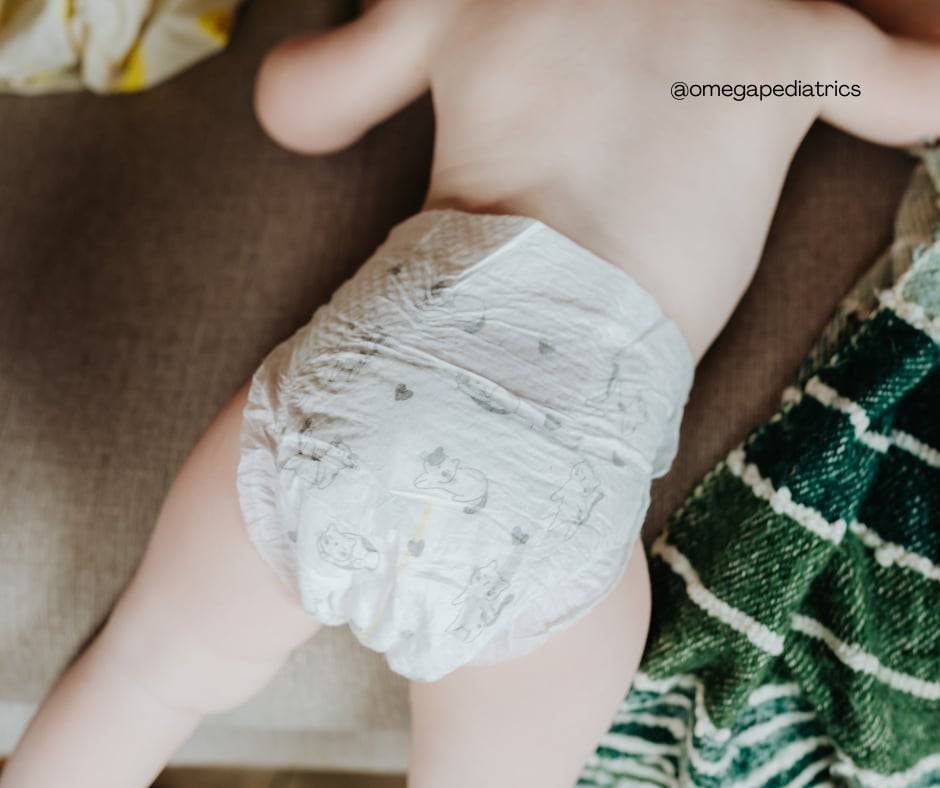
Newborns may go through 8 to 12 diapers a day, so a simple diapering area can save time and stress. You can use a changing table, a dresser with a secure changing pad, or a portable changing mat on a safe surface.
What to keep nearby
- Diapers
- Wipes or washcloths
- Diaper cream
- Extra onesies and sleepers
- Burp cloths
- A diaper pail or lined trash can
Always keep one hand on your baby during diaper changes, even before rolling starts, because newborn movements can be sudden.
Baby girl diaper care tips
Wipe from front to back to help lower the risk of irritation. A small amount of white or blood-tinged discharge can be normal in the first days after birth because of hormone changes, but contact your pediatric office if you notice fever, a bad odor, worsening redness, swelling, or anything that concerns you.
Choose soft, comfortable clothing that is easy to change. Simple zip sleepers are often easier than outfits with many snaps or layers.
Same-day and next-day appointments available.
Prepare Feeding Supplies and a Feeding Area
Whether you plan to breastfeed, formula feed, pump, or combine methods, having supplies ready ahead of time can make the first days smoother. Set up a comfortable place to feed your baby with good back support and easy access to essentials.
If you plan to breastfeed
- Nursing bras or tanks
- Breast pads
- Nipple cream if recommended
- Burp cloths
- Water bottle and snacks for the parent feeding area
- Breast pump and milk storage supplies if you plan to pump
If you plan to formula feed
- Bottles with slow-flow newborn nipples
- Infant formula
- Bottle brush
- Clean drying rack
- Safe water source for formula preparation
Newborns usually eat often, commonly every 2 to 3 hours, though feeding patterns vary. Watch for early hunger cues like rooting, sucking motions, bringing hands to the mouth, and waking up more fully.
If you have questions about latching, spit-up, formula amounts, or weight gain, schedule a newborn visit with Omega Pediatrics. Our pediatric team can help you understand what is typical and when extra feeding support may help.
Make Your Home Safer
Your newborn will not be mobile right away, but it is smart to handle major safety risks before life gets busier. Start with the rooms where your baby will sleep, feed, and spend supervised awake time.
Home safety checklist
- Anchor dressers, bookshelves, and TVs to the wall
- Make sure smoke alarms and carbon monoxide detectors work
- Keep cords from blinds and electronics out of reach
- Store medicines, cleaning products, batteries, and small objects safely away
- Check floors and low surfaces for choking hazards
- Use safety gates near stairs before your baby becomes mobile
- Set your water heater to a safe temperature to help prevent burns
If you have pets, plan calm introductions and always supervise time around your newborn.
Stock Bathing and Basic Health Supplies
Newborns do not need a bath every day. Sponge baths are usually enough until the umbilical cord stump falls off and the area heals, and after that, a few baths a week is often plenty.
Bathing checklist
- Infant tub or sink insert
- Soft washcloths
- Hooded towels
- Mild fragrance-free baby wash
- Baby moisturizer if needed for dry skin
- Clean diaper and outfit ready before bath time
Never leave your baby unattended during a bath, even for a moment. Gather everything you need before you start.
Basic health items to keep at home
- Digital rectal thermometer for accurate temperature checks in young infants
- Nasal saline drops and a bulb syringe or nasal aspirator
- Nail file or baby nail clippers
- A few emergency contact numbers in an easy-to-find place
Call your pediatric office right away if your newborn has a fever of 100.4 degrees Fahrenheit or higher, trouble breathing, poor feeding, or seems unusually hard to wake.
Plan for the First Pediatric Visits
One of the most important parts of preparing for a newborn baby girl is choosing a pediatric office before delivery if possible. That way, you know where to call with questions about feeding, jaundice, diaper output, sleep, or common newborn concerns.
Before baby arrives, try to have:
- A pediatric office selected
- Insurance information ready
- A plan for your baby’s first visit after birth
- A list of questions you want to ask
The first few days at home often come with lots of normal questions. The Omega Pediatrics team is here to support families with newborn care, feeding concerns, routine checkups, and guidance for those early transitions.
Final Thoughts
Preparing for a newborn baby girl does not have to mean buying everything in the baby aisle. Start with safe sleep, feeding, diapering, home safety, and a trusted pediatric care plan, and build from there. A calm, simple setup is often exactly what new parents need most.