
As parents, one of our greatest joys is watching our children grow, learn, and thrive. But sometimes, it’s hard to know the best way to support their development. The good news? One of the most effective, natural, and joyful tools for growth is play. It is much more than entertainment.

Play helps children learn life skills, strengthen their brains, and grow emotionally. In fact, the American Academy of Pediatrics calls play “essential” for healthy development. This guide will explore fun and powerful ways to promote your child’s development through play.
You’ll also learn how to balance structured and free play, why play matters so much for childhood, and practical tips you can start using today.
Why Play Matters So Much for Child Development
Before we jump into strategies, let’s understand why play is so critical. Children are naturally curious. Through play, they:
- Test ideas.
- Build relationships.
- Solve problems.
- Explore the world safely.
Core Benefits of Play
- Cognitive Development—Play stimulates the brain, helping kids learn language, memory, and problem-solving.
- Social Development—Group play teaches cooperation, sharing, and conflict resolution.
- Physical Development—Active play strengthens muscles, balance, and coordination.
- Emotional Development – Play helps children manage feelings, reduce stress, and build confidence.
At Omega Pediatrics, we often remind families that play is just as important as sleep and nutrition for a child’s well-being.
1. Encourage Pretend Play to Boost Imagination and Problem-Solving
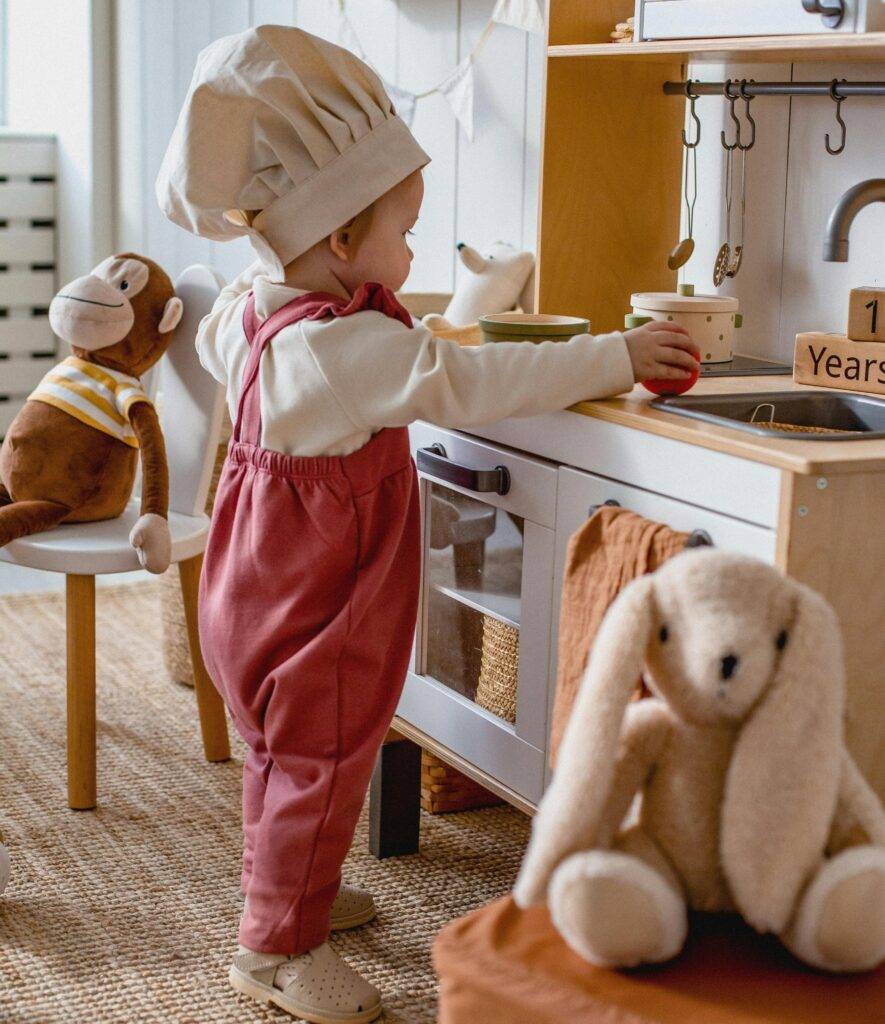
Pretend play (also called imaginative or role play) is when kids act out roles, scenarios, or stories. It may look like “just fun,” but it builds critical thinking and empathy.
Benefits of Pretend Play
- Expands vocabulary as children act out different characters.
- Encourages problem-solving (for example, “How do we rescue the teddy bear from the fire?”).
- Builds emotional intelligence by allowing children to explore feelings.
Examples of Pretend Play
- Playing “house” or “school”
- Creating a pretend store with toy food
- Acting out favorite stories or movies
👉 Parent Tip: Keep a dress-up box filled with hats, scarves, and simple props. No need for expensive costumes—imagination does the work!
Check out this article: Unlocking the Benefits of Imaginative Play for Children’s Creativity & Social Skills
2. Use Building Toys to Strengthen Thinking Skills
Stacking, building, and constructing toys (blocks, LEGO, magnetic tiles) are powerful tools for brain growth.
Benefits of Building Play
- Teaches math concepts (counting, symmetry, balance).
- Improves hand-eye coordination and fine motor skills.
- Encourages perseverance when towers collapse.
Fun Building Ideas
- Challenge your child to build the tallest tower possible
- Create “cities” and role-play community helpers
- Build bridges and test which toy cars can cross
👉 Parent Tip: Ask open-ended questions: “What happens if we add one more block?” or “How can we make it stronger?”
3. Play Outdoors for Strong Bodies and Healthy Minds
Nature is one of the best classrooms for children. Outdoor play combines movement, creativity, and exploration.
Benefits of Outdoor Play
- Develops gross motor skills (running, climbing, jumping).
- Strengthens immunity and physical health.
- Reduces stress by calming the nervous system.
Outdoor Play Ideas
- Obstacle courses with cones, ropes, or chalk
- Nature scavenger hunts (find a leaf, a rock, or something soft)
- Traditional games like tag, hopscotch, or hide-and-seek
👉 Parent Tip: Don’t worry about the mess! Mud pies, puddle jumping, and sand digging all strengthen sensory skills.
Check out this article: The Benefits of Outdoor Play for Children’s Health and Development
4. Play Board Games to Teach Patience and Cooperation
Board games are a family favorite, but they also build important life skills.
Benefits of Board Games
- Teach turn-taking and fairness.
- Improve focus and attention span.
- Teach emotional control (handling wins and losses).
Best Games for Different Ages
- Toddlers: Candy Land, Memory
- Preschoolers: Chutes and Ladders, Connect Four
- Older Kids: Chess, Monopoly, Scrabble
👉 Parent Tip: For young kids, pick short games to avoid frustration. As kids grow, introduce longer strategy games.
5. Encourage Music and Dance Play
Music and movement go hand in hand with brain growth. Research shows children exposed to music develop stronger math, memory, and language skills.
Benefits of Music and Dance
- Improves rhythm and coordination.
- Strengthens memory and listening skills.
- Helps children express feelings.
Playful Music Ideas
- Family dance parties
- Homemade instruments (rice in bottles, pots as drums)
- Singing nursery rhymes with hand motions
👉 Parent Tip: Play different music styles—classical, jazz, and pop—and let your child move however they like.
6. Try Simple Puzzles for Focus and Problem-Solving
Puzzles are more than quiet-time activities—they’re brain boosters.
Same-day and next-day appointments available.
Benefits of Puzzle Play
- Builds patience and concentration.
- Strengthens problem-solving and logical thinking.
- Boosts confidence when finished.
Puzzle Ideas
- Shape sorters for toddlers
- Jigsaw puzzles for preschoolers
- Word searches and crosswords for older kids
👉 Parent Tip: Work together on puzzles. Encourage your child without doing it for them.
7. Foster Social Play with Friends and Siblings
Playing with others teaches children valuable social-emotional skills they can’t learn alone. This
Benefits of Social Play
- Encourages sharing and teamwork.
- Teaches conflict resolution.
- Builds empathy and understanding.
Group Play Ideas
- Cooperative building (e.g., constructing a fort together)
- Group games like “Simon Says” or “Duck, Duck, Goose”
- Role-play games with friends
👉 Parent Tip: Let kids take the lead in deciding games. Unstructured play builds leadership and negotiation skills needed for growth and development.
8. Try Sensory Play for Brain and Emotional Growth
Sensory play stimulates children’s five senses—sight, sound, touch, taste, and smell. This is essential for emotional development.
Benefits of Sensory Play
- Improves fine motor skills.
- Encourages curiosity and exploration.
- Helps regulate emotions and calm the mind.
Sensory Play Ideas
- Playdough creations
- Water tables with cups, spoons, and floating toys
- Sensory bins filled with rice, beans, or sand
👉 Parent Tip: Rotate materials every few weeks to keep the experience fresh and exciting.
9. Use Storytelling and Reading Play to Boost Language
Storytelling is one of the most powerful ways to support your child’s language and imagination–boosting growth and development.
Benefits of Storytelling Play
- Expands vocabulary.
- Strengthens memory and sequencing.
- Boosts creativity and critical thinking.
Storytelling Play Ideas
- Act out stories with puppets or dolls
- Change endings to familiar books
- Create family “story nights” where everyone adds a sentence
👉 Parent Tip: After reading, ask your child questions like, “What if the character made a different choice?”
Balancing Structured and Free Play
Children need both structured and unstructured play for their growth and development.
- Structured Play—Games with rules, puzzles, and sports. Builds discipline, focus, and patience.
- Free Play – Imaginative, unstructured play. Builds creativity, problem-solving, and independence.
👉 Parent Tip: Aim for a mix each day. For example, 30 minutes of a family board game (structured) and 1 hour of outdoor play (free).
Read this article: How Playtime Can Help Your Child Grow & Learn: The Benefits of Unstructured Play for Kids
The Role of Parents in Play
Parents don’t always need to lead play—but being present and engaged makes a difference. Even just 20 minutes of undistracted playtime each day strengthens your child’s growth and development, and your parent-child bond.
Ways Parents Can Support Play
- Provide safe spaces and materials.
- Allow unstructured time without screens.
- Join in, but also step back to let children lead.
Related topic: 6 Steps to Create a Safe and Stimulating Play Area for Your Baby
Top Easy Play Ideas for Busy Parents
Sometimes parents feel they don’t have enough time for play. The truth is—even just 10 minutes can make a big difference, all for the sake of healthy development. Here are quick and easy play ideas you can try at home or outdoors:
- Balloon Toss: Keep a balloon in the air as long as possible.
- Scavenger Hunt: Hide small toys around the house and let your child find them.
- Kitchen Band: Use pots, pans, and spoons to make music together.
- Obstacle Course: Create one with pillows, chairs, and blankets indoors.
- Flashlight Hide-and-Seek: Play hide-and-seek in a dark room with flashlights.
- Shadow Puppets: Use a flashlight and your hands to tell stories on the wall.
- Sock Basketball: Toss rolled-up socks into a laundry basket.
- Dance Freeze: Play music and freeze when it stops.
- Animal Charades: Act out animals and let your child guess.
- Color Hunt: Pick a color and have your child find objects that match.
- Homemade Fort: Build one with blankets, chairs, and pillows.
- Nature Walk: Collect leaves, rocks, or sticks and talk about them.
- Story Chain: Take turns adding sentences to make a funny family story.
- Puzzle Race: See who can complete a small puzzle the fastest.
- Mirror Game: Copy each other’s movements like you’re a reflection.
👉 Parent Tip: Choose 2–3 of these activities each week to keep playtime exciting without needing special equipment or planning.
Play is the Work of Childhood
Play isn’t a break from learning—it is learning. Through play, children grow stronger, smarter, and more confident. Whether it’s building towers, pretending to be superheroes, or dancing in the living room, these moments shape the future–thus supporting their development.
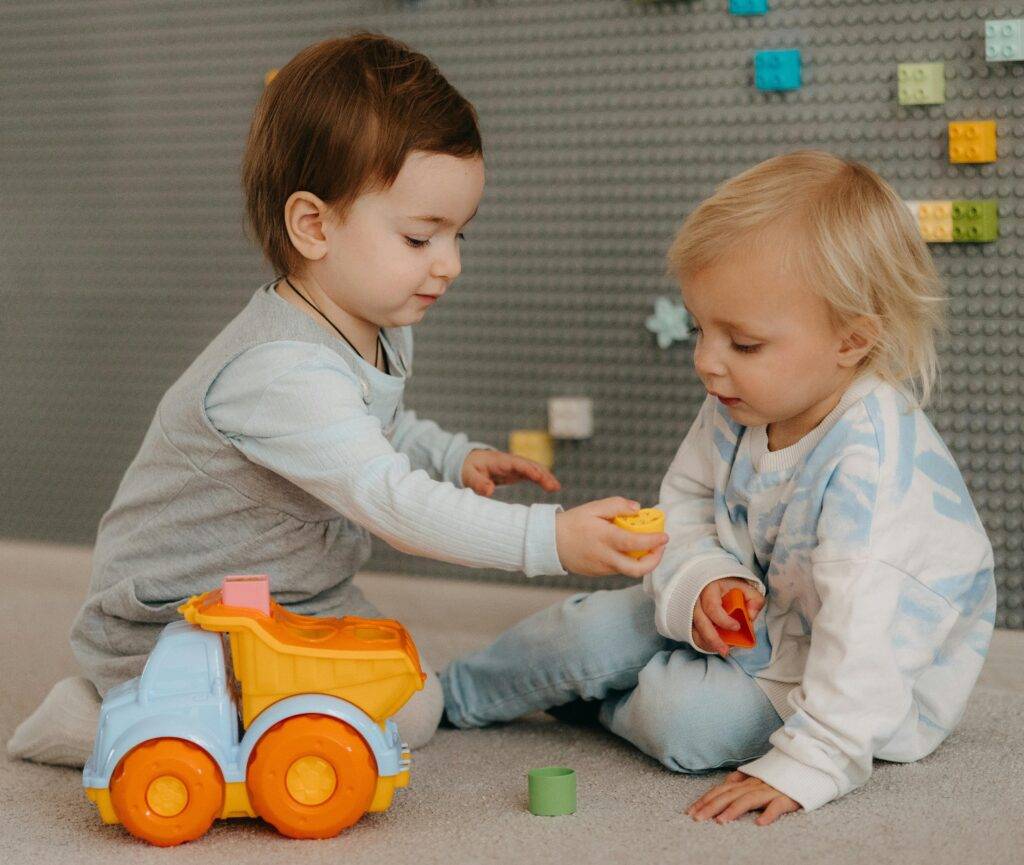
Play doesn’t require expensive toys or complicated planning. With a little creativity, everyday moments can turn into powerful learning experiences. Whether you’re indoors on a rainy day or outside soaking up sunshine, these activities will help your child grow socially, emotionally, and intellectually.
By encouraging a variety of play, you give your child the tools they need for lifelong success. So, the next time your child says, “Can we play?” It’s more than fun—it’s the foundation of growth. By making PLAY a priority, you’re not just giving your child fun memories—you’re giving them the tools to thrive in every stage of life.
✅ Action Step for Parents: Today, schedule 20–30 minutes of playtime with your child. No phones, no chores—just you and them. You’ll not only make memories but also build their mind, heart, and body–essential for their healthy development.