Raising children is a beautiful mix of joy and learning, but it also comes with big responsibilities. One of the most powerful lessons you can give your child is the gift of good hygiene habits.
Healthy hygiene practices don’t just keep kids looking fresh and clean—they protect them from illness, boost confidence, and build lifelong routines that set the stage for a healthier future. But here’s the challenge: children aren’t always eager to brush, wash, or bathe.
That’s where your guidance, consistency, and creativity come in. This blog will dive into the essential hygiene habits every parent should teach, why they matter so much, and proven strategies to make them stick for good.
By the end, you’ll have a full toolbox of parent-friendly hacks, simple explanations for kids, and routines that can grow with your family.
Why Good Hygiene Habits are Essential for Kids
Children’s immune systems are still developing, which makes them more vulnerable to germs, infections, and illnesses. Simple practices—such as handwashing, brushing teeth, or bathing regularly—can help protect them from common diseases like the cold, flu, or stomach bugs.
When children learn hygiene habits at a young age, it becomes second nature. Much like tying shoes or saying “please” and “thank you,” the earlier a child starts practicing, the more natural it feels. But hygiene is about more than health. It’s also about:
- Prevents illness: Proper hygiene habits like handwashing reduce the spread of colds, flu, and other contagious diseases.
- Builds confidence: Clean teeth, fresh-smelling bodies, and neat clothes help kids feel good about themselves around peers. A child who smells fresh and looks clean feels more confident in social situations.
- Social skills: Kids who learn proper hygiene feel more comfortable making friends and interacting with others.
- Encourages independence: Hygiene routines teach responsibility and self-care, giving children a sense of control.
- Sets lifelong patterns: What your child learns today can become an ingrained habit they’ll carry into adulthood.
- Routine building: Daily hygiene habits help children build structure and responsibility.
Think of hygiene as more than just cleanliness—it’s a cornerstone of your child’s overall health and emotional well-being. Now, let’s break down the top hygiene habits for kids and practical ways to teach them
Essential Hygiene Habits Every Parent Must Teach
1. Handwashing: The First Line of Defense
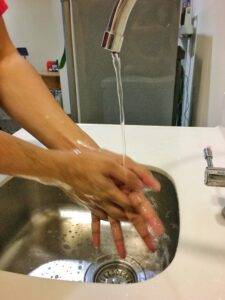
Handwashing is perhaps the single most powerful hygiene habit. Kids touch everything—from doorknobs to toys to playground equipment. Without proper hand hygiene, germs spread like wildfire. Washing hands properly removes germs they pick up playing, touching surfaces, or before eating.
How to Teach Kids to Wash Hands the Right Way
- Show the right steps: wet, soap, scrub for 20 seconds, rinse, and dry.
- Make it fun by singing a short song (like the alphabet song or singing “Happy Birthday” twice) while scrubbing.
- Use visuals: Post a simple, colorful chart near the sink to remind them of each step: wet, soap, scrub, rinse, dry.
- When to wash: after using the toilet, before eating or cooking, after playing outside, after coughing or sneezing, after being around people who are sick, and after touching pets.
2. Daily Bathing or Showering
Bathing helps remove dirt, sweat, and germs. It also teaches kids that personal care is a normal part of everyday life. It also helps relax kids before bedtime and teaches them about body care.
Bathing Tips by Age
- Toddlers (1–3 years): Bath 2–3 times per week unless they get particularly dirty from play.
- School-age kids (4–12 years): Bath or shower daily, especially after sports or outdoor play.
- Teens: Daily showers become important as body odor and oiliness increase with puberty.
Pro tip: Make bath time enjoyable with bath toys, bubbles, or storytime. Set a routine—either every night or every other night, depending on age and activity. Teach body parts gradually (like “wash your armpits, feet, and behind the ears”).
3. Brushing
 3. Brushing
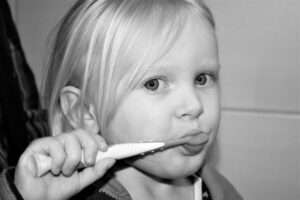
Oral health is a cornerstone of hygiene. Poor dental care can cause cavities, gum disease, pain, bad breath, and even problems eating or speaking. Make dentist visits routine and positive to reduce anxiety.
How to Build Healthy Dental Routines
- Buy fun toothbrushes with their favorite characters.
- Brush twice a day: Morning and night for two minutes each time.
- Use flavored kid-friendly toothpaste. Fluoride toothpaste in an age-appropriate amount (a smear for babies, a pea-size for older kids).
- Brush together as a family—it’s more motivating when they see you doing it too.
- Explain “sugar bugs” in simple terms to show how brushing keeps teeth strong.
👉 Want to dive deeper into healthy dental habits for kids? Check out this helpful guide, Pediatric Dental Health: The Connection to Your Child’s Well-Being, on Omegapediatrics.com for practical parenting tips.
4. Nail Care: Small but Mighty
Fingernails can harbor dirt and germs. Teaching kids to keep nails trimmed and clean is an important but easy habit. Clean nails reduce the risk of infections, scratching, and make handwashing more effective.
Nail Care Routine
- Trim once a week with clean nail clippers.
- Explain why long nails collect dirt and germs.
- Teach them to wash under nails using soap and a soft brush.
- Discourage nail biting by offering alternatives like stress balls or fidget toys.
- Make it fun by doing a mini “spa day” at home.
5. Proper Toilet Hygiene
 5. Proper Toilet Hygiene
Potty training goes beyond using the toilet. It may be one of the trickiest stages of hygiene learning. But beyond just using the toilet, teaching proper wiping and flushing is key. Teaching proper toilet hygiene prevents infections and encourages independence.
Use positive reinforcement (stickers or praise) to encourage good habits during potty training.
Toilet Hygiene Checklist
- Wipe front to back (especially important for girls).
- Flush every time.
- Make handwashing a non-negotiable after every bathroom trip.
6. Hair Care and Scalp Cleanliness
Regular hair washing prevents dandruff, itching, and lice. For young kids, it’s also a moment for gentle one-on-one care. Teach kids how to brush gently and care for their scalp.
Same-day and next-day appointments available.
Hair Care Tips
- Wash 2–3 times a week for young kids, more often for teens.
- Daily brushing prevents tangles and distributes natural oils
- Check for lice after outbreaks at school and treat promptly
- Teach older kids about oil buildup and dandruff in simple words.
7. Covering Mouth When Sneezing or Coughing
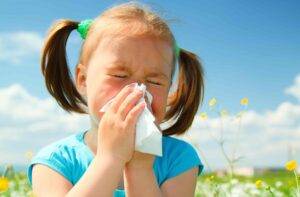
Respiratory hygiene is often overlooked but is essential to protect others from illness. Teaching kids to cover their mouths when they sneeze or cough helps reduce the spread of germs. This small action protects family members and classmates.
How to Reinforce This Habit
- Use the elbow rule: Teach children to cough or sneeze into their elbow, not their hands.
- Role-play: Practice during playtime. “Couging games” to make it memorable.
- Keep tissues handy and teach proper disposal.
- Praise good behavior: Celebrate when your child remembers to do it.
8. Wearing Clean Clothes Every Day
Fresh clothes not only smell nice but also reduce bacteria and keep skin healthy. Clothes collect sweat, food, and germs. Wearing clean clothes prevents odors and skin infections. Teaching basic laundry skills is a great milestone.
Laundry Habits Kids Can Learn
- Encourage kids to pick clean clothes each morning.
- Put dirty clothes in the laundry basket daily.
- Change underwear and socks every day.
- Learn to fold and store clean clothes properly.
- Let them choose their own outfits—it gives them independence while keeping the habit intact.
9. Oral Health Beyond Brushing
Older kids should learn about flossing and rinsing with water after sugary snacks. These extra steps strengthen teeth and prevent long-term issues.
How to Teach It:
- Introduce flossing early: Once teeth touch, start flossing. Parents should floss for young children until they can do it well themselves.
- Show them how to floss gently.
- Explain that floss is like a superhero getting the “hidden crumbs.”
- Use kid-friendly mouthwash (alcohol-free).
10. Sleep Hygiene: The Hidden Habit
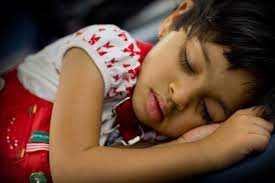
Sleep is often forgotten in terms of hygiene, but a clean bed and a good bedtime routine are essential. Good sleep keeps kids healthy, sharp, and ready to learn.
Sleep Hygiene Tips
- Regular bedtime: Same time each night.
- No screens 1 hour before bed.
- Fresh bedding: Wash sheets weekly.
How to Make Hygiene Habits Stick
Now that we’ve covered the essentials, let’s tackle the hardest part: consistency. Kids may start strong, but without reinforcement, old habits fade quickly. Here’s how to make hygiene habits stick for the long run:
- Lead by Example: Children copy what they see. If they watch you brushing, washing, and grooming daily, they’ll be far more likely to follow.
- Use Rewards and Praise: Positive reinforcement works wonders. Create sticker charts, give high-fives, or offer small rewards for consistent routines.
- Keep Routines Simple: Children thrive on structure. Link hygiene tasks to daily anchors like breakfast, bedtime, or school prep.
- Turn It Into a Game: Competition and fun boost motivation. Time your child while washing hands or brushing teeth, and let them “beat the clock.”
- Use Stories and Characters: Books and cartoons featuring hygiene heroes make learning relatable. Create your own superhero who fights “germs” with soap and water.
- Celebrate Milestones: Make a big deal out of small wins—like brushing every night for a week or learning to shower independently.
👉 For more child wellness strategies, visit Building Healthy Habits in Children: 9 Ways to Nurture Lifelong Wellness at Omegapediatrics.com. You’ll find expert-backed parenting insights designed for real-life families.
Hygiene Habits by Age
Toddlers (1–3 years)
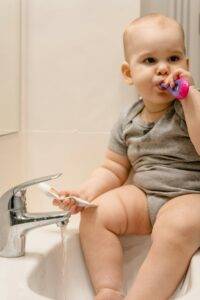 Toddlers (1–3 years)
- Start with simple routines: handwashing and tooth brushing.
- Make hygiene playful—songs, toys, and games help.
- Always supervise; toddlers need full guidance.
School-Age Kids (4–9 years)
- Introduce independence: let them brush and wash with some reminders.
- Teach about germs in simple terms.
- Encourage responsibility by letting them pack tissues and hand sanitizer in their school bag.
Preteens and Teens (10–18 years)
- Emphasize personal responsibility and body changes during puberty.
- Teach about deodorant, skincare, and more frequent showers.
- Encourage open conversations about hygiene without embarrassment.
Common Hygiene Mistakes Parents Should Avoid
- Forcing routines without explanation: Kids learn better when they understand why.
- Using harsh criticism: This can make hygiene feel like punishment instead of self-care.
- Nagging too much: Repetition is important, but nagging creates resistance. Instead, encourage and remind gently.
- Expecting perfection too early: Kids need time. Focus on progress, not perfection.
- Skipping explanation: Kids ask “why” for a reason. Simple explanations help them understand and care.
- Not adjusting for age: Younger kids need more guidance, while older kids need independence.
- Skipping regular checkups: Pediatric visits help catch hygiene-related health issues early.
FAQ—Child Hygiene Habits
Q1: At what age should my child start brushing their own teeth?
Children can begin brushing with supervision at about 3–4 years old and should be able to brush independently and effectively around 6–7 years old. Continue to supervise until you are confident their technique is adequate.
Q2: How often should kids bathe?
Toddlers: 2–3 times per week unless dirty. School-age kids: daily or after heavy play. Teens may be daily bathing due to increased oil production and body odor.
Q3: What’s the best way to teach handwashing without nagging?
Make it a family habit: wash hands together, sing a song, use fun soaps, and add a colorful chart by the sink. Positive reinforcement works better than scolding.
Q4: Do children need antibacterial soap?
No. Regular soap and water are sufficient for everyday handwashing. Antibacterial soaps are not necessary for general use and may contribute to resistance.
Q5: How do I handle resistance from a child who hates baths?
Shorten bath time, add toys, pick a favorite time of day, and be playful. Gradually build tolerance with rewards and choice (let them pick the towel or soap).
Instill Good Hygiene Habits in Your Child

Teaching hygiene is more than a list of tasks—it’s love that sets your child up for health, confidence, and independence. From handwashing to brushing teeth, every small habit builds toward a cleaner, healthier future. And the best part? With patience, creativity, and consistency, you can make these habits fun and lasting.
Remember: start small, stay consistent, and celebrate progress. Before long, these powerful hygiene habits will become second nature for your child—and you’ll know you’ve given them a lifelong gift.