You’re Terrified of Messing Up Your Baby’s Nutrition

Let me guess what’s running through your mind:
Am I feeding my baby enough? Too much? When do I start solids? What about allergies? Does my baby need vitamins? Is my 6-month-old baby’s weight within the normal range?
Every mom, mother-in-law, and internet article tells you something different. And you’re stuck wondering who’s actually right.
Here’s the truth: Baby nutrition doesn’t have to be this confusing.
In this complete baby nutrition guide, I’m breaking down exactly what your baby needs from birth to 12 months. No judgment. No confusion. Just clear answers.
Let’s make feeding your baby simple.
The First 6 Months: Milk is Everything
Good news: For the first 6 months, feeding is actually super simple.
Your baby needs ONE thing: breast milk or formula. That’s it.
No solids. No juice. No water. Just milk. Breast milk or iron-fortified formula gives your baby every nutrient they need to grow during these crucial early months.
Breastfeeding: Liquid Gold for Baby Nutrition
 If you’re breastfeeding, your milk is literally perfect for your baby.
Benefits of breast milk:
- Packed with antibodies (protects against illness)
- Easy to digest (designed specifically for baby’s tummy)
- Changes as baby grows (it adapts!)
- Supports healthy infant weight gain
- Free (which is amazing for your budget)
- Creates bonding time
How much and how often:
Feed baby whenever they seem hungry. This is called “on demand” feeding. Newborns eat every 2 to 3 hours. That’s 8 to 12 times per day. Yes, really.
As baby grows, they’ll eat less often but take more at each feeding.
Vitamins for Breastfed Babies (You Need This!)
Here’s something crucial: Breastfed babies need vitamin D drops.
Breast milk doesn’t have enough vitamin D. Your baby needs supplements starting in the first few days of life.
Vitamin D dosage: 400 IU per day
Ask your pediatrician for their recommendation on which brand to buy. Give it every single day. Low vitamin D can cause serious bone problems. Don’t skip this.
Formula Feeding: A Great Choice for Baby Nutrition
Formula is designed to be as close to breast milk as possible. It’s a perfectly healthy choice.
What kind of formula:
- Iron-fortified formula (this is critical!)
- Most babies do well with cow’s milk-based formula
- If baby seems uncomfortable, talk to their doctor about other types
How to prepare formula safely:
- Wash hands first
- Use clean bottles every time
- Follow mixing instructions EXACTLY (don’t add more or less powder)
- Don’t microwave bottles (creates hot spots that burn baby)
- Throw away unused formula after 1 hour
How much formula for infant weight gain:
- Newborns: 1 to 3 ounces every 2 to 3 hours
- 1 month: 3 to 4 ounces every 3 to 4 hours
- 2 to 6 months: 4 to 6 ounces every 3 to 4 hours
But every baby is different. Watch for hunger cues. Let baby tell you when they’re full.
What NOT to Give (Even If Grandma Says To)
I know your mom or grandma might suggest these. But baby nutrition science has changed. Trust current recommendations. Skip these until baby is older:
- Cow’s milk (not until 12 months—causes problems)
- Juice (babies don’t need it, even “natural” juice)
- Water (breast milk or formula is enough hydration)
- Cereal in bottles (choking hazard and not needed)
- Solid foods (wait until baby shows readiness signs)
Is Your Baby Ready for Solid Foods? (Don’t Rush It!)
Around 4 to 6 months, baby will start showing signs they’re ready for solids. But don’t rush. Your baby will tell you when the time is right.
Most babies are ready around 6 months old. Some need more time. That’s completely normal. Here are signs baby is ready:
- Can sit up with support
- Has good head and neck control
- Shows interest in YOUR food (reaches for it, watches you eat)
- Opens their mouth when food comes near
- Can move food to the back of their mouth (tongue-thrust reflex is gone)
- Has doubled birth weight
ALWAYS check with your pediatrician before starting solids. They know your baby’s development.
Starting Solids: Your Baby Nutrition Roadmap
Baby got the green light for solids? Here’s exactly what to do.
First Foods (Simple and Safe)
Start with single-ingredient foods. One food at a time. Here are the best first foods for baby nutrition:
- Iron-fortified baby cereal (rice, oatmeal)
- Pureed sweet potato
- Mashed avocado
- Pureed carrots
- Mashed banana
- Pureed peas
- Unsweetened applesauce
How to introduce new foods:
- Pick ONE new food
- Give it for 3 to 5 days in a row
- Watch for reactions (rash, vomiting, diarrhea)
- If all is well, move to the next food
This way, if baby reacts badly, you know exactly what caused it.
Foods to AVOID Before 12 Months
NEVER give honey to babies under 1 year old. It can cause botulism, a serious illness. Also avoid:
- Added sugar
- Added salt
- Cow’s milk as a drink (small amounts in food are okay)
- Anything hard that causes choking
Baby Food Guide: How Much and How Often
Don’t expect baby to eat a ton at first. This is PRACTICE, not a full meal.
6 to 8 months baby nutrition plan:
- 1 to 2 meals per day
- Start with 1 to 2 tablespoons per meal
- Still get most nutrition from breast milk or formula
9 to 12 months:
- 3 to 4 meals per day
- Plus 1 to 2 snacks
- Gradually eating more food, drinking less milk
Let baby guide you. If they turn away or close their mouth, they’re done. Never force feeding.
Changing Textures (Level Up as Baby Grows)
Start smooth. Gradually make it thicker and chunkier.
- 6 to 7 months: Smooth, runny purees
- 7 to 8 months: Thicker purees, mashed foods
- 9 to 12 months: Soft finger foods, small soft chunks
Foods for 2-year-olds will be even more advanced, but by 12 months baby should eat soft table foods with the family.
Safe Finger Foods (Around 8 to 10 Months)
Good finger foods:
- Soft-cooked pasta (small pieces)
- Small pieces of soft cheese
- Scrambled eggs (cut small)
- Soft-cooked vegetables (cut small)
- Ripe banana pieces
- Toast strips
- Cooked chicken (shredded tiny)
AVOID choking hazards:
- Whole grapes (cut them up!)
- Nuts
- Popcorn
- Raw carrots or apples
- Hot dogs (unless cut very small)
Always supervise baby while eating. Always.
Critical Nutrients for Baby Nutrition (Don’t Miss These!)
Your baby is growing SO fast. They need specific nutrients to develop properly.
Iron: The Most Important Nutrient After 6 Months
Babies are born with iron stores from their mom. But those stores run out around 6 months.
Low iron is DANGEROUS. It causes: delayed development, pale skin, extreme tiredness, and poor weight gain baby problems
Give iron-rich foods every single day. This is critical for proper infant weight gain. Here are the best iron sources for baby nutrition:
- Iron-fortified baby cereal (mix with breast milk or formula)
- Pureed or shredded meats (chicken, beef, turkey)
- Beans and lentils (mashed soft)
- Tofu
- Eggs (well-cooked)
Vitamins for 1-Year-Olds (What Your Baby Actually Needs)
Most babies get vitamins from breast milk, formula, and food. But some need supplements.
Same-day and next-day appointments available.
- Vitamin D: Continue giving 400 IU per day if breastfeeding
- Iron: May need drops if baby won’t eat iron-rich foods (ask doctor)
- Vitamin B12: Only needed if family is vegan (talk to doctor)
Do NOT give multivitamins unless your pediatrician says to. Too many vitamins can be harmful.
Most vitamins for a 1-year-old aren’t necessary if baby eats a variety of foods.
Healthy Fats (Critical for Brain Development)
Baby’s brain grows faster in the first year than at any other time. It NEEDS fat. Never put baby on a low-fat diet. Babies need fat to grow and develop properly.
Best healthy fats for baby nutrition:
- Avocado (mash it up)
- Full-fat yogurt (plain, no sugar)
- Nut butters (thin layer, smooth only)
- Fatty fish like salmon (mashed very soft)
- Olive oil (add a little to baby’s food)
- Full-fat cheese
Zinc: The Forgotten Nutrient
Zinc is crucial for growth and the immune system. Many parents forget about it.
Good zinc sources: meat, beans, full-fat yogurt, cheese, and eggs. Include zinc-rich foods several times per week.
Variety of Fruits and Vegetables
Try to give baby different colors every day. Different colors = different vitamins. Give baby variety for complete baby nutrition.
- Orange foods: Sweet potato, carrots, mango, cantaloupe
- Green foods: Peas, avocado, green beans, broccoli
- Red foods: Tomatoes, strawberries, watermelon
- Yellow foods: Banana, squash, peaches
- Purple foods: Blueberries, plums, eggplant
6 Month Old Baby Weight: Is My Baby Growing Right?
One of the biggest worries parents have is infant weight gain. Is my baby growing enough? Too much? Your pediatrician tracks three measurements:
- Weight (is baby gaining?)
- Length (is baby growing taller?)
- Head circumference (is baby’s brain growing?)
Average 6-Month-Old Baby Weight
- Boys: About 16 to 18 pounds
- Girls: About 14 to 17 pounds
But every baby is different. Some babies are naturally bigger or smaller.
What matters most: Baby follows their OWN growth curve. Not someone else’s baby’s curve.
Signs of Healthy Infant Weight Gain
✅ Baby is gaining weight steadily (even if slow)
✅ Baby has wet diapers (6+ per day)
✅ Baby seems happy and alert
✅ Baby reaches milestones
✅ Doctor says growth is on track
Warning Signs of Weight Gain Problems
These might signal feeding problems, allergies, or other issues that need medical attention. Call your pediatrician if:
- Baby suddenly stops gaining weight
- Baby loses weight
- Baby falls off their growth curve
- Baby seems weak or very tired all the time
- Baby refuses to eat
Common Baby Nutrition Problems (And How to Fix Them)
Problem: Baby Refuses Food
This is SO common. Don’t panic. Toddlers eating can be even pickier, but keep offering variety without pressure. Here’s what to do:
- Offer the food again in a few days (it takes 10 to 15 tries sometimes!)
- Don’t force-feed (makes it worse)
- Keep meals relaxed and fun
- Eat the same foods yourself (baby copies you)
- Try different textures or temperatures
- Let baby play with food (yes, it’s messy!)
Problem: Worried About Food Allergies
New research changed everything about allergies.
- OLD advice: Avoid allergenic foods until baby is older
- NEW advice: Introduce allergenic foods EARLY (around 6 months) to PREVENT allergies
Introduce one at a time. Watch for reactions. Here are common allergen foods to introduce:
- Peanut butter (thin layer or mixed into food)
- Eggs
- Milk products (yogurt, cheese)
- Soy
- Wheat
- Tree nut butters (smooth, thin layer)
- Fish
- Shellfish
If baby reacts, stop that food and call your pediatrician immediately. Here are signs of an allergic reaction:
- Hives or rash
- Swelling (especially face or lips)
- Vomiting
- Diarrhea
- Trouble breathing (call 911 NOW!)
But most babies do NOT have allergies. Don’t be scared to try new foods.
Problem: Baby Has Constipation
 Starting solids can cause poop changes. If constipation lasts more than a few days, call your doctor. Here’s what helps:
- Offer small amounts of water in a sippy cup
- Give prune puree or pear puree (natural laxatives)
- Do bicycle legs
- Gentle tummy massage
- Add more fruits and vegetables
Problem: Baby Won’t Gain Weight
This is scary, I know. If your pediatrician is concerned about weight gain baby issues:
- Offer more frequent milk feedings
- Add healthy fats to baby’s food (avocado, olive oil)
- Feed more often throughout the day
- Try higher-calorie foods
- Work with your baby’s pediatrician or nutritionist
Don’t try to “fix” weight problems alone. Always get professional guidance.
Sample Baby Nutrition Meal Plans
Let me show you what real meals look like. These are just examples. Your baby might eat more or less. Follow baby’s hunger cues for good baby nutrition..
6 to 8 Months Sample Day
- Morning: breast milk or formula feeding and 2 tablespoons iron-fortified oatmeal (mixed with milk)
- Midday: breast milk or formula and 2 tablespoons pureed sweet potato
- Afternoon: breast milk or formula
- Evening: breast milk or formula and 2 tablespoons mashed avocado
- Night: breast milk or formula
Total: 5 to 6 milk feedings + 2 to 3 small solid meals
9 to 12 Months Sample Day
- Morning: breast milk or formula (6-8 oz), scrambled eggs (cut small), small pieces of soft toast, and mashed banana
- Mid-Morning Snack: breast milk or formula and a few baby puffs
- Lunch: shredded chicken (tiny pieces), soft-cooked carrots (cut small), small pasta pieces, and cut-up soft pear
- Afternoon Snack: breast milk or formula and small pieces of cheese
- Dinner: ground turkey (cooked soft), mashed sweet potato, and steamed broccoli (cut tiny)
- Bedtime: breast milk or formula (6-8 oz)
Total: 3 to 4 milk feedings + 3 meals + 2 snacks
Making Mealtime Safe (Critical Rules)

Never Leave Baby Alone While Eating
Choking can happen in SECONDS. Always supervise.
Baby Must Sit Upright
Use a high chair. Baby should be:
- Sitting upright (not reclined)
- Strapped in safely
- Facing you so you can watch
Keep Emergency Info Handy
- Know baby Heimlich maneuver
- Take a baby CPR class
- Keep your pediatrician’s number accessible
Let Baby Lead (Responsive Feeding)
- Hunger cues: leans toward food, opens mouth eagerly, gets excited when food appears, and reaches for the spoon
- Fullness cues: turns head away, closes mouth, pushes food away, gets fussy, and spits food out
NEVER force baby to eat. Trust them to know when they’re full. This is the essence of baby nutrition.
Your Baby Nutrition Action Plan
For 0 to 6 months:
✅ Breast milk or iron-fortified formula only
✅ Give vitamin D drops if breastfeeding
✅ Feed on demand (8 to 12 times per day for newborns)
✅ Watch for good infant weight gain
For 6 to 12 months:
✅ Continue breast milk or formula
✅ Start solids when baby shows readiness
✅ Introduce one new food at a time
✅ Focus on iron-rich foods daily
✅ Offer a variety of colors and textures
✅ Let baby guide how much they eat
✅ Track the 6-month-old baby’s weight at checkups
Special Situations: Your Questions Answered on Baby Nutrition
Can I Raise a Vegetarian Baby?
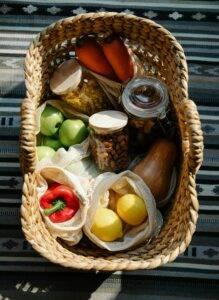 Yes! Work with your child’s pediatrician or nutritionist to ensure proper baby nutrition. But pay extra attention to these nutrients:
- Iron (fortified cereals, beans, dark leafy greens)
- Zinc (whole grains, beans, fortified cereals)
- Vitamin B12 (supplement needed for vegan babies)
- Protein (beans, tofu, nut butters)
- Healthy fats (avocado, nut butters)
Should I Buy Organic Baby Food?
Organic is nice if you can afford it. Regular is fine too. Most importantly, baby eats a variety of fruits and vegetables. Organic or not matters less than you think.
If the budget is tight, opt for organic produce from the “Dirty Dozen” list (those with the highest pesticide levels). Regular for everything else.
Can I Make My Own Baby Food?
Absolutely! It’s easy and cheaper. Avoid adding salt, sugar, or honey. Store-bought is fine too. Use whatever works for your family.
How to make baby food for better baby nutrition:
- Steam or bake fruits/vegetables until soft
- Blend or mash until smooth
- Store in ice cube trays
- Pop out one cube when needed
You’re Doing Better Than You Think
Baby nutrition feels overwhelming. I get it. But you don’t have to be perfect. You really don’t. What actually matters in baby nutrition is:
- Baby is growing (check with pediatrician)
- Baby gets breast milk or formula until at least 12 months
- You offer healthy foods when baby is ready
- Mealtimes are safe and supervised
- You ask for help when needed
You’re learning. Baby is learning. You’ll figure this out together. Messing up the order of foods won’t ruin your baby.
Offering the same food three days in a row is fine. Throwing more food on the floor than eating is totally normal. You’re doing an amazing job.
Get Expert Support for Your Baby’s Nutrition

Feeding your baby is one of the most important jobs you have. But you don’t have to do it alone. When to ask for help:
- Baby isn’t gaining weight
- You’re worried about allergies
- Baby refuses most foods
- You have questions about vitamins for a 1-year-old
- Anything feels “off”
Need trusted pediatric guidance? Visit Omegapediatrics.com for expert advice on baby nutrition, infant weight gain, and all your baby health questions.
Check out these articles for further insights: Which Milk Best for Newborn Baby: 7 Expert-Recommended Options and Keep Your Baby Safe and Healthy During the First Year: 15 Expert Tips
You’re giving your baby the best start in life. That’s what matters most. One meal at a time, mama. You’ve got this.