
When it comes to liver health, few connections are as critical—and as under-recognized—as the link between chronic hepatitis B (HBV) and the development of Hepatocellular carcinoma (HCC) (a primary liver cancer).

This informative post explores in simple language how HBV can set the stage for HCC. The goal? This post hopes to empower you with knowledge so you can recognize risks, understand mechanisms, and engage with your healthcare team.
This post is best suited for families, parents, or anyone wanting reliable, understandable information—in the spirit of trusted sites like Omegapediatrics.com. It’s detailed, explains key terms, and maintains a friendly tone.
What is Hepatitis B—and why does it matter?
Before diving into cancer risk, let’s review what hepatitis B is and why a long-term infection can matter so much.
The Basics of HBV Infection
HBV is a virus that targets liver cells (hepatocytes). When someone is infected, the virus enters hepatocytes, uses that cellular machinery to replicate, and in many people, the body clears the infection. But in others—especially when infected early in life—the virus remains. That’s called a chronic (long-term) infection.
How Chronic Hepatitis B Sets the Stage for Trouble
With chronic HBV infection, the liver is under stress: the virus keeps replicating, the immune system keeps responding, and there’s ongoing damage + repair in the liver. Over years or decades, this creates an environment where abnormal changes can occur—and that raises the risk of liver cancer.
For example, reviewers note, “HBV‐induced hepatocellular carcinoma (HCC) arises through direct and indirect mechanisms.”
What is Hepatocellular Carcinoma (HCC)?
Simply put, HCC is a type of primary liver cancer—meaning it originates in the liver, not in another organ that spreads to the liver.
Why the Liver?

The liver has many functions (filtering blood, producing bile, and storing nutrients) and is made up of many hepatocytes (liver cells). When these cells undergo repeated injury and regeneration, mistakes can occur in DNA and cellular control systems—and those mistakes can lead to cancer.
The Link Between HBV and HCC in Numbers
Studies show that chronic hepatitis B is one of the major causes of HCC globally. Also, the higher the level of HBV-DNA (viral load) in the blood, the greater the risk of HCC.
How Does HBV Lead to HCC? —key mechanisms
Here we go step by step through important mechanisms by which HBV can transform a liver cell’s environment from “healthy” to “pre‐cancerous” to “cancerous.” These mechanisms often act together.
1. Integration of HBV DNA into the host genome
One of the most direct mechanisms: HBV can insert its DNA into the hepatocyte (liver cell) genome. This process is called viral DNA integration. The virus becomes part of the cell’s blueprint, increasing the risk that the blueprint goes wrong.
- When integration happens, it can disrupt important genes (for example, tumor suppressors) or activate genes that help cells divide.
- This insertion also causes genomic instability—meaning the cell’s DNA becomes more prone to errors, mutations, and rearrangements.
- For example: “HBV DNA integration into the host genome occurs at early steps of clonal tumor expansion.”
2. Chronic inflammation, injury, and regeneration cycle
When the liver is repeatedly injured (by a virus, an immune attack, etc.), the body tries to repair it. Over time, that repair includes scar formation (fibrosis), increased cell division, and a greater risk of errors. Even if no viral DNA integration happened, the “injury-repair” loop itself can raise cancer risk.
- Chronic necro-inflammation (death of liver cells + inflammation) is a key driver of HCC in HBV infection.
- This environment increases oxidative stress (free radicals), DNA damage, and cell proliferation—all risk factors for cancer.
3. Viral proteins that alter cell signalling
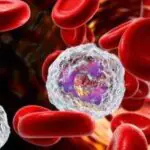 HBV produces proteins (such as the X protein, HBx) and envelope proteins that interfere with the normal control of cell growth, death (apoptosis), and repair.
- The HBx protein is known to affect genes that regulate cell cycle, survival, and differentiation.
- Envelope proteins (for example, the surface antigen HBsAg) can activate pathways such as NF-κB (which promotes survival and inflammation) and the WNT pathway (which often encourages growth).
- These altered signals make hepatocytes more “likely to survive” when they should die, or more “likely to divide” when they should rest.
4. Epigenetic changes and microRNA deregulation
Beyond DNA mutations, HBV triggers epigenetic changes—modifications that change gene expression without altering the DNA sequence. Also, small RNAs (microRNAs) get changed.
- For example: “HBV promotes hepatocellular carcinoma by intervening in various signal pathways through different microRNAs.”
- DNA methylation patterns are changed in HBV-infected liver cells, leading to silencing of tumor suppressor genes.
- These subtle changes accumulate over the years and create a “fertile ground” for cancer.
5. Creation and expansion of liver‐cancer stem cells
Recent research shows that HBV plays a role in generating so-called “liver cancer stem cells” (LCSCs)—cells with high ability to self-renew, resist treatment, and seed metastases.
- The viral HBx protein is implicated in up-regulating markers such as CD133, CD44, and EpCAM—features of these LCSCs.
- These stem-like cells may be the “roots” of liver cancer, not just the bulk tumor cells.
6. Immune escape and micro-environmental changes
HBV doesn’t just affect hepatocytes—it shapes the immune environment in the liver in ways that favor cancer.
- Persistent HBV infection involves an ongoing immune response, immune exhaustion, and changes in immune cell composition.
- Those changes reduce the ability to eliminate atypical cells and create local secretions (cytokines) that favor tumor growth and angiogenesis (new blood vessels) and suppress “normal” immune surveillance.
7. Fibrosis, cirrhosis, and the “soil” for cancer
Over the long term, repeated injury + repair may lead to fibrosis (scarring) and cirrhosis (severe scarring + nodules). Although HBV can cause HCC even without cirrhosis, cirrhosis greatly increases the risk.
- Fibrotic/cirrhotic liver: architecture is distorted, blood flow is altered, and many cells divide trying to regenerate—all conditions that help malignant transformation.
- So, in HBV carriers, monitoring for progression of fibrosis is important for cancer prevention.
8. External cofactors and synergistic risks
Finally, HBV doesn’t act in isolation. Other risk factors can amplify the cancer risk:
Same-day and next-day appointments available.
- Exposure to toxins like aflatoxin (a harmful fungal by-product) dramatically increases risk in HBV carriers.
- Other viral infections, metabolic conditions (fatty liver disease, diabetes), and alcohol use—when present with HBV—increase the “hit count” toward cancer.
- Some viral mutations (precore and basal core promoter mutations) make HBV more aggressive and raise HCC risk.
Why Children and Families Should Care (in a pediatric-friendly context)
You may be a parent or caregiver; here are the key takeaways and what to do.
- Risk isn’t immediate, but vigilance matters: If a child has HBV (whether passed from mother or acquired later), the risk of HCC may not appear for decades. But early detection of HBV, proper monitoring, and prevention can make a huge difference.
- The power of vaccination: A major success story: The HBV vaccine dramatically reduces the risk of chronic HBV infection—and thus downstream risks like HCC. Ensuring children are vaccinated helps prevent the virus from taking that dangerous first step.
- Monitoring and follow-up: For children/adolescents with chronic HBV infection, their healthcare provider will monitor viral load, liver enzyme levels, and signs of liver damage and may consider imaging or other tests depending on risk factors. Families should ask:
- What is the current HBV viral load?
- Are liver enzyme levels elevated?
- Is there evidence of fibrosis or liver damage?
- Are there other risk factors (e.g., family history of liver cancer, exposure to toxins)?
- Lifestyle and environment matter: Because HBV works with other risk factors, helping your child avoid alcohol, obesity, and exposure to liver toxins, and encouraging a healthy lifestyle (balanced diet, physical activity) helps reduce the overall risk of liver complications over a lifetime.
- Early discussion, not panic: It’s important to inform but not alarm. The presence of HBV does not guarantee HCC will develop. Many people with chronic HBV live without cancer for decades. The key is early detection, monitoring, and appropriate care.
What Research Studies Show
 Let’s look briefly at the evidence backing it.
- A review article states: HBV DNA integration into the host genome … induces both genomic instability and direct insertional mutagenesis of diverse cancer‐related genes.
- Another review: Common mechanisms used by HBV … that drive hepatocarcinogenesis include persistent liver inflammation … and deregulation of cellular signalling pathways by viral proteins.
- More recent work shows that even in the absence of cirrhosis, HBV DNA integration can lead to HCC, meaning the virus has a direct carcinogenic potential.
- On the public health side, a study noted that untreated chronic HBV infection with high viral load dramatically increases HCC risk, which underscores the importance of monitoring and treatment.
The Big Picture for Families
Here are reasons why understanding the HBV → HCC connection matters for families.
🫶 Prevention works
Because the chain of events (HBV infection → chronic hepatitis → fibrosis → dysplasia → HCC) is long, there is time and opportunity to intervene. Vaccines, antivirals, and lifestyle measures all play a role.
🫶 Early action saves lives
When HCC is found early (small tumor, preserved liver function), treatment options are much better (surgery, ablation, transplant). Late diagnosis means fewer options. So relying on “wait and see” without surveillance is risky.
🫶 Empowerment for children and families
If a child is known to have HBV (especially if inherited from the mother), understanding the risks and the steps one can take gives control—not fear. Families can partner with clinicians, adopt healthy habits, and plan for long-term monitoring.
Practical Steps to Stay Proactive
Here are actionable steps families and individuals can take to reduce the risk of HCC when HBV is involved.
1. Know the HBV status
If someone has not been tested, ask for a liver panel including HBV markers (HBsAg, anti-HBs, and HBV DNA). Knowing whether HBV infection is present, and whether it is chronic, is the first step.
2. Maintain regular follow‐up with a liver doctor
Chronic HBV infection requires monitoring. Depending on age, viral load, liver enzyme levels, and liver fibrosis index, the provider may recommend imaging (ultrasound) or other cancer surveillance.
3. Consider antiviral therapy when indicated
When HBV viral load is high, or there are signs of liver injury, antiviral drugs (nucleos(t)ide analogues) may lower viral replication, reduce inflammation, and thereby decrease cancer risk.
4. Minimize additional liver stresses
Avoid alcohol, maintain a healthy weight, reduce exposure to toxins (like aflatoxin in certain food supplies), and avoid unnecessary medications that tax the liver. By limiting other “hits” to the liver, you reduce the cumulative risk of cancer.
5. Stay informed about and adhere to vaccination
If the child is not yet vaccinated for HBV, or if household contacts are not vaccinated, this is a crucial preventive step—not just for hepatitis but for the long-term reduced risk of liver cancer.
Common Questions Parents Ask—answered
Does every child with HBV develop liver cancer?

No. Having chronic HBV infection raises the risk of HCC, but does not guarantee it. Many people with HBV live long lives without cancer. Risk is influenced by viral load, viral mutations, cofactors (such as alcohol and other liver diseases), genetics, and timing of infection.
Can HCC happen without cirrhosis in HBV?
Yes. One of the notable features of HBV‐related liver cancer is that it can appear even in the absence of cirrhosis. It’s because HBV can integrate into the liver cell genome and directly promote malignant change.
If the HBV is treated and the viral load is low, is the risk gone?
While antiviral therapy significantly lowers the risk of HCC, it does not eliminate it. Monitoring must continue–the earlier the treatment and the better the liver health, the better the outcome.
What about screening for HCC when HBV is present?
Depending on risk level (viral load, fibrosis, family history, co-factors), a liver specialist may recommend periodic ultrasounds (e.g., every 6-12 months) plus tumor marker testing (like alpha-fetoprotein). This is part of “surveillance” in high-risk populations.
What You Should Remember
- Chronic hepatitis B infection significantly raises the risk of hepatocellular carcinoma (liver cancer).
- The process involves multiple mechanisms: viral DNA integration, chronic inflammation, altered cell signalling, epigenetics, immune changes, fibrosis, and cofactors.
- In children (and families), the good news is that vaccination, monitoring, treatment, and a healthy lifestyle reduce risk and change the long-term outlook.
- Though the cancer risk is real, it is not inevitable, and the chain of events typically unfolds over years. Early detection and ongoing care are key.
- Working with your healthcare provider—knowing the viral load, liver health, and surveillance plan—gives you the best chance of staying ahead of problems.
Be Empowered: Live Well Amid HBV

While nobody wants to think about “cancer,” understanding the connection between hepatitis B and liver cancer is not about fear—it’s about empowerment. When families understand how HBV can eventually lead to liver cancer, they can take meaningful steps: vaccinate, monitor, treat, and live well.
Every doctor visit, every healthy habit, and every follow-up ultrasound becomes part of a story of protection, not helplessness. If your child has HBV, or if you are caring for someone who does, know this: you’re not powerless. Modern medicine, a healthy lifestyle, and regular monitoring can make all the difference.
Integrating with Trusted Pediatric Resources
For families seeking additional support, it’s helpful to consult reliable pediatric-oriented websites. Here are two relevant posts from Omegapediatrics.com:
- Long-Term Outcomes for Infants Who Acquire Chronic Hepatitis B: A Pediatric Perspective
- 9 Deadly Complications of Hepatitis B Infection that Parents Never Imagine
These resources can complement what we’ve covered on how HBV can lead to liver cancer—by offering practical guidance for children, growth, and family routines.