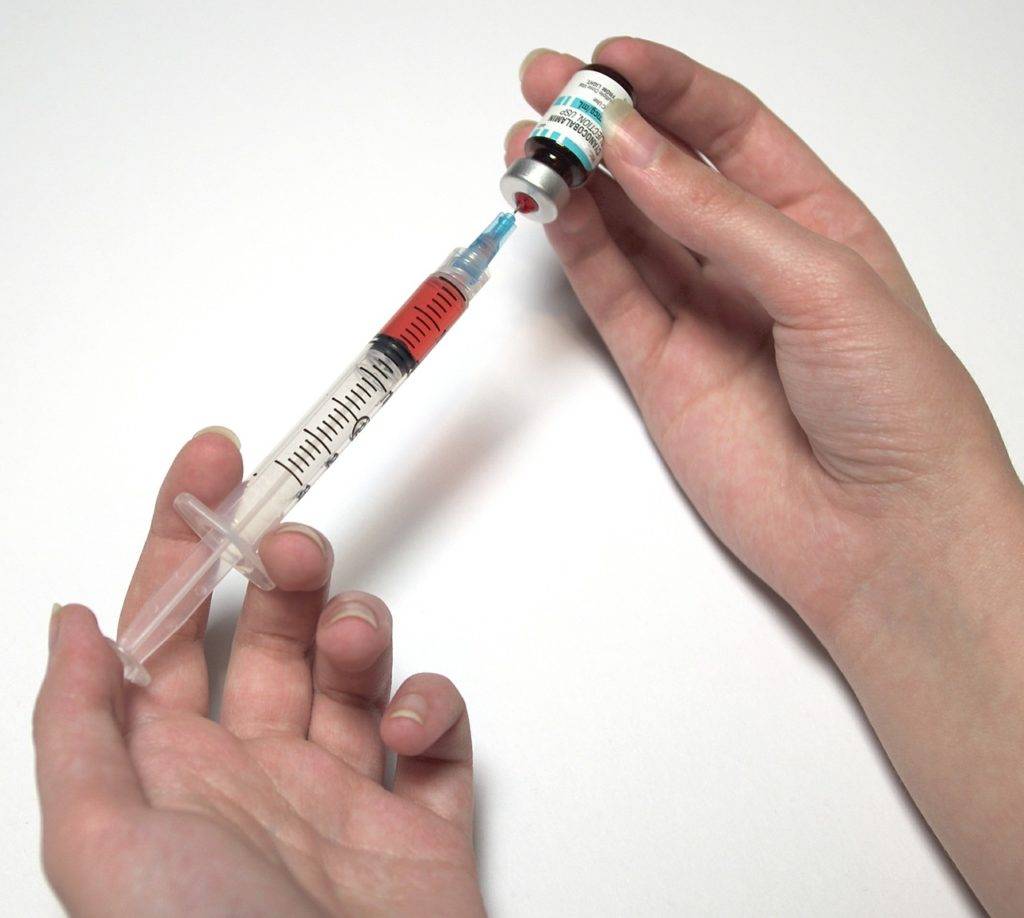
Most vaccine reactions are mild — sore arm, low fever, fussiness — and resolve within 48 hours. Severe reactions are rare, but when they happen they move fast and require immediate action. Knowing the difference between a normal response and a true emergency is one of the most important things a parent can have ready before vaccination day. These are the 11 signs that mean act now — not wait and see.
🚨 Call 911 — Do Not Wait — If Your Child Has:
· Difficulty breathing or wheezing after a vaccine
· Swelling of the face, lips, or throat
· Hives spreading rapidly across the body
· Unusual limpness or loss of consciousness
· Seizure or uncontrolled shaking
These are signs of anaphylaxis — a medical emergency. Call 911 first, then call us.
Vaccines protect children from serious diseases that can make them very sick. They keep families and communities safe. Most kids do great after their shots. They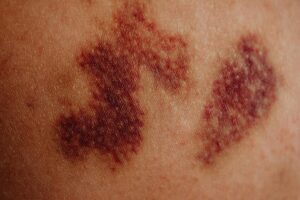 may have a sore arm, feel tired, or have a small fever. These mild reactions are normal and typically resolve quickly.
However, sometimes a child can have stronger side effects. These are known as severe vaccine reactions, and although they are rare, parents should be aware of how to spot them early. When you recognize the warning signs, you can stay calm and take action quickly.
This guide explains the critical signs to watch for, how to care for your child after shots, when to call your doctor, and what factors can exacerbate these severe reactions. The explanations are simple, friendly, and written in a way that families understand at Omega Pediatrics.
Normal vs. Severe Vaccine Side Effects: How They Differ
Vaccines train the body to fight germs. When the immune system is training, it can sometimes cause the body to feel warm, tired, or cranky. These mild reactions indicate that the immune system is working. But not all reactions are the same.
Some are mild. Some are moderate. And a few are severe. The key is learning what belongs in each category.
Normal Side Effects: What Most Kids Experience
These symptoms typically appear within the first 24 to 48 hours. These are common and usually resolve quickly. They do not cause long-term problems.
- Sore arm or leg at the shot spot
- Small fever
- Mild redness
- Fussy mood
- Poor sleep
- Small rash
- Low energy
What Makes a Side Effect “Severe”?

Severe symptoms may show up quickly—sometimes within minutes. This is why clinics ask families to wait 10–15 minutes after certain vaccines. A severe side effect is strong enough to affect important body functions like:
- Breathing
- Heart rate
- Alertness
- Body control
- Skin reactions
Critical Warning Signs of a Severe Vaccine Reaction
Below are the most important signs to watch for. Some may be alarming, but these reactions are rare. Most children never experience them. Each warning sign is written in simple language to help parents understand what is happening and what to do next.
1. Trouble Breathing or Fast Breathing
If a child breathes very fast or struggles to take a breath, this may be a sign of a strong allergic reaction. Wheezing (a whistling sound when breathing) is another warning sign. This is an emergency. Call 911 immediately.
2. Swelling of the Face, Lips, Eyes, or Tongue
Swelling can be mild or severe. But swelling of the mouth, eyes, or throat can make breathing or swallowing hard. If swelling spreads rapidly, seek medical attention immediately.
3. High Fever Over 104°F
Most fevers after vaccines are low. But any fever above 104°F is too high and needs medical evaluation. A high fever can make a child feel weak and dizzy.
4. Seizures or Shaking That Cannot Be Controlled
 A seizure happens when the brain’s signals misfire. The body may shake, stiffen, or twitch. Some seizures occur due to fever (called febrile seizures, meaning a fever triggers them), but all seizures need immediate medical attention. Even if the child stops shaking, still contact your doctor.
5. Extreme Sleepiness or Trouble Waking Up
If a child is so tired that they cannot stay awake, cannot respond normally, or feels confused, this may signal a reaction involving the nervous system. This is not normal tiredness. Call your pediatrician immediately.
6. Fast Heart Rate, Fainting, or Extreme Paleness
If your child suddenly appears pale, sweaty, or dizzy, or their heart is beating too fast, a serious condition may be happening. A fainting episode that lasts longer than a few seconds needs medical care.
7. Rash That Spreads Quickly or Is Very Red
Some rashes are harmless. However, a rash that spreads over the entire body, becomes bright red, or is accompanied by itching and swelling may be a sign of an allergic reaction. If the rash covers the face or large areas of the body, call your doctor right away.
8. Nonstop Crying That Lasts More Than 3 Hours
A little fussiness is expected. However, crying nonstop for 3 hours or longer may indicate pain, discomfort, or another condition that requires medical care. This type of crying is usually high-pitched, strong, and sounds very different from normal crying.
Same-day and next-day appointments available.
9. Severe Vomiting or Diarrhea
One or two episodes can be normal. But repeated vomiting or diarrhea can cause dehydration (which means the body loses too much water). Call your pediatrician if vomiting or diarrhea happens more than twice. Signs of dehydration include:
- Dry mouth
- No tears when crying
- Very little urination
- Sunken eyes
10. Redness and Swelling That Keep Getting Worse
Some redness around the injection site is normal. But if the redness spreads, becomes hot, gets very swollen, or becomes very painful to touch, your child needs to be checked. This may be a sign of an infection or a strong reaction.
11. Behavior That Seems Very “Not Normal” for Your Child
Parents know their kids best. If your child seems confused, weak, or unusually quiet, or you feel something is wrong—even if you can’t explain why—trust your instincts. Call your pediatrician.
When to Call 911 vs. When to Call Your Pediatrician

Having a clear plan helps parents stay calm during stressful moments.
Call 911 If Your Child Has
- Severe trouble breathing
- Blue lips or face
- Swelling of the mouth or throat
- Seizure
- Fainting for longer than a few seconds
- Very fast heartbeat
- No response or difficulty waking up
Call Your Pediatrician If Your Child Has
- Fever above 104°F
- Rash that spreads or looks unusual
- Vomiting more than twice
- Crying for more than 3 hours
- Behavior changes that worry you
Your doctor can advise you on the next steps to take.
Why Severe Vaccine Reactions Are Rare
Vaccines are among the safest medical tools ever created. Before a vaccine reaches children, it goes through:
- Lab testing
- Safety trials
- Reviews by experts
- Ongoing monitoring in real-world use
Doctors and nurses also monitor kids for the first few minutes after certain vaccines to catch allergic reactions early.
The Science Behind Vaccine Side Effects
 When a vaccine enters the body, it teaches the immune system how to fight germs. Think of the immune system as a superhero team training for a big mission. Training can cause:
- Warmth
- Soreness
- Tiredness
- A little fever
This is the bodybuilding strength. A severe reaction is when the body reacts too strongly. This does not happen often, but it is important to know what it looks.
How Parents Prepare Before Vaccination
Good preparation can make the whole vaccine experience smoother, calmer, and less stressful for you and your child. A little planning helps your child feel safe and enables you to feel more confident. These simple steps can turn the appointment into a positive moment instead of something to worry about.
Before the Appointment
- Give Your Child a Good Meal: A full stomach helps your child feel steady and relaxed. Choose a healthy meal that includes protein and fruits when possible. Hungry kids may feel more nervous or fussy, so a good meal helps set the tone for the day.
- Make Sure They Are Well Rested: A tired child is more likely to feel overwhelmed or scared. A good night’s sleep or a solid nap can help them stay calm and brave during the appointment.
- Bring Snacks and Comfort Items: Pack a small bag with snacks, a water bottle, and one or two comfort items. This might be a favorite stuffed animal, a blanket, or even a small toy. Familiar things help reduce fear and give your child something positive to focus on.
- Share Past Reactions With Your Pediatrician: If your child has ever experienced a strong reaction to a vaccine or medication, inform the medical team immediately. Even mild reactions are helpful for the doctor to know. This information helps keep your child safe and guides the care team in choosing the best plan.
- Bring Your List of Questions: Parents often think of questions at home and forget them later. Writing them down helps you remember everything you want to ask. No question is too small—your pediatrician is happy to help you understand each step.
- Review Your Child’s Vaccine Schedule: Knowing what vaccines your child is due for can make the appointment feel more predictable. Many parents find it comfortable to be aware of the schedule before the appointment to avoid surprises.
At the Clinic

- Hold Your Child Calmly: Your presence is the biggest source of comfort. Holding your child close, speaking softly, or gently rubbing their back can reduce fear. Kids often match the emotions of their parents, so staying calm helps your child feel secure, too.
- Ask the Nurse to Explain Each Step: If you or your child would like to know what will happen next, ask the nurse to explain the steps. Knowing what to expect helps both of you stay relaxed and reduces uncertainty.
- Stay for the Recommended Waiting Period: Some vaccines require a short waiting period after the shot—usually 10 to 15 minutes. This is to make sure your child doesn’t have an immediate allergic reaction. Most kids are totally fine, but waiting keeps everyone safe.
- Remember: Feeling Nervous Is Normal: Many parents feel worried or emotional during vaccine visits. You’re not alone. Even experienced parents sometimes get nervous. What matters most is that you are doing something important to protect your child’s health.
Caring for Your Child After Vaccines
Most kids bounce back quickly after getting their shots. Some even forget they had one! Still, a little extra care can help them feel calmer, safer, and more comfortable as their body builds protection. These simple steps can make a big difference in how your child feels during the first day or two after vaccination.
- Use a Cool Compress Over the Shot Area: A cool compress is just a clean cloth dipped in cold water. Place it gently on the sore spot for 10–15 minutes at a time. This helps reduce swelling and eases tenderness. Many kids also find the cool feeling soothing.
- Offer Extra Fluids: Water is one of the best tools for healing the body. Encourage your child to drink more than usual—small sips are fine. Fluids help lower fever, prevent dehydration, and keep your child feeling energized.
- Give Cuddles, Quiet Time, and Rest: A little extra comfort goes a long way. Soft blankets, favorite books, or a cozy movie can help your child relax. Rest helps their immune system focus on building protection. Don’t worry if your child wants more snuggles than usual—this is normal.
- Let Them Nap as Needed: Some children feel sleepy for a few hours after vaccines. This is the body’s way of saving energy for healing. Let them nap whenever they need to, even if it’s outside their usual schedule.
- Encourage Light Play Instead of Rough Activity: It’s okay for your child to move around and play gently. Light play keeps them happy and comfortable. But try to avoid activities like running, jumping, or sports for a day. Too much movement can make the arm or leg feel more sore.
👉🏿 Important: Track Symptoms for the First 48 Hours
Most vaccine reactions—both mild and more serious ones—appear within the first two days after your child gets a shot. This is why it’s helpful to watch your child closely during this time. You don’t need special tools or complicated charts. A simple notebook or notes app on your phone is enough.
Writing things down may seem minor, but it gives your pediatrician helpful clues. Your notes make it easier for your doctor to understand how your child is doing and what might be causing the changes you see. Here are the key things to watch:
- Temperature: Check your child’s temperature if they feel warm, look flushed, or seem extra sleepy. A low-grade fever is normal. If the temperature is high or rises quickly, note the time it happened.
- Behavior: Pay attention to how your child behaves. Are they clingier than usual? More fussy? Extra quiet? Behavior changes can tell you a lot. Even small differences matter, so note them.
- Eating and Drinking: Take notice of how much your child eats and drinks. A small appetite is normal for a short time. But refusing food or not drinking enough can lead to dehydration, which needs attention. Keep track of how many times they drink, snack, or refuse food.
- Energy Level: Some kids feel tired after vaccines. This is expected. But if your child can’t stay awake, has trouble getting up, or seems unusually weak, take note and contact your doctor.
- Rashes: Look at your child’s skin during bath time or diaper changes. A small rash can be normal. If it spreads, gets brighter, becomes itchy, or looks unusual, write down when it started and where it appeared.
Stay Calm for Your Child’s Post-Vaccine Care

Vaccines protect children from dangerous illnesses, and most kids have only mild reactions that disappear quickly. But knowing the signs of severe reaction gives you power. It helps you stay calm. It enables you to act fast. It also helps keep your child safe.
You are not alone. Your pediatrician is always ready to guide you, answer your questions, and support your family. Trust your instincts, trust your knowledge, and trust that you are doing an amazing job keeping your child healthy.
With the right information—and a calm plan—you can confidently care for your child after any vaccine. You are your child’s strongest protector, and learning these signs makes you even stronger.
Helpful Resources from Omega Pediatrics
Here are clear guides that help families feel confident and prepared. These are excellent tools for parents seeking straightforward and trusted advice.
- Understanding fevers in children: Febrile Episodes in Children: A Comprehensive Exploration of Fever-Related Issues
- Caring for health conditions like stomach pains: How Long Does the Stomach Bug Last in Kids? What to Expect and How to Survive It