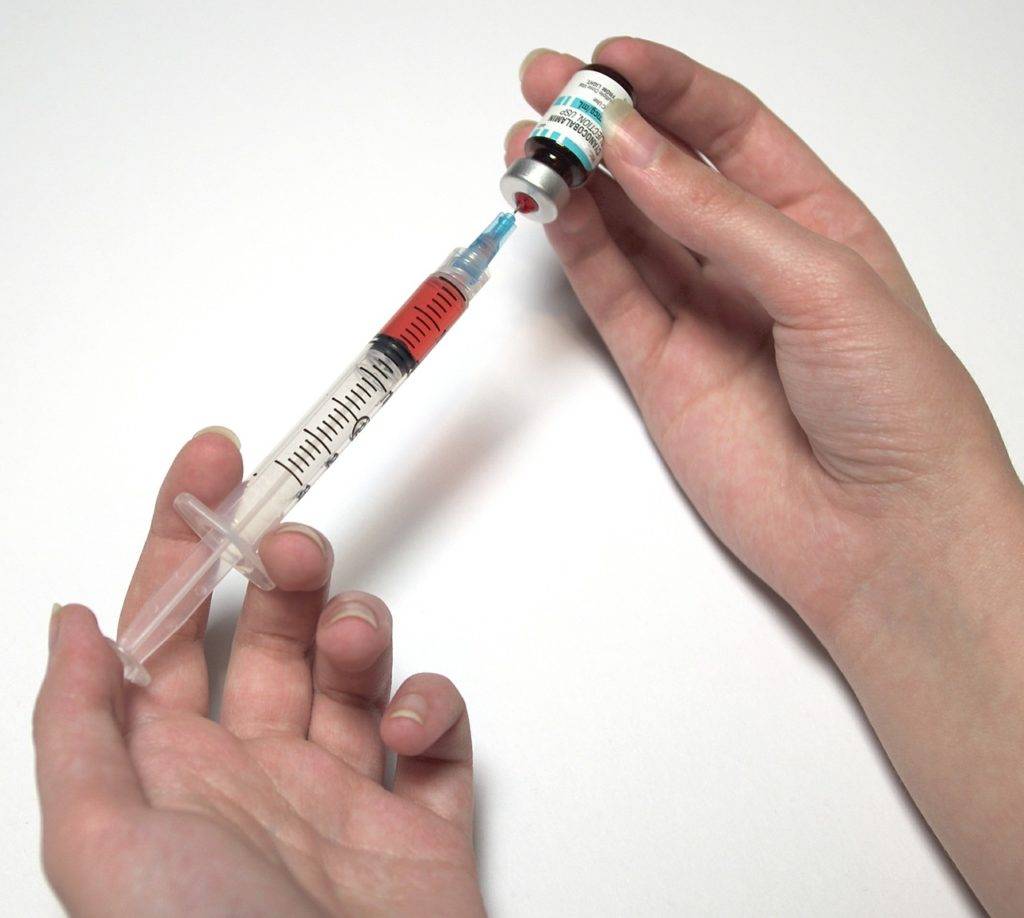
Vaccines are one of the greatest tools in modern medicine, safeguarding individuals from dangerous diseases and promoting overall public health. However, while vaccines are vital for immunity, they can sometimes lead to mild, short-term side effects.
Knowing what to expect after vaccination and how to provide proper care is essential for parents, caregivers, and anyone who has recently received a vaccine.
This guide will delve deep into the best practices for post-vaccine care, ensuring that every family member, from infants to adults, has a comfortable and stress-free recovery. Whether it’s soothing soreness at the injection site or addressing fatigue, the tips below will help you feel more prepared for life after a vaccine.
Understanding the Body’s Response to Vaccines
What Happens After a Vaccine?
Vaccines work by introducing a small, harmless part of a germ (or instructions for your body to create it) into the body, prompting the immune system to recognize and fight off the actual disease if encountered in the future. This process often elicits an immune response, which can lead to side effects.
Why Do Side Effects Occur?
Side effects are a normal part of the body’s process to build immunity. They’re not a sign of danger but rather a reassurance that your immune system is responding effectively. These reactions vary based on age, type of vaccine, and individual health conditions.
For children, vaccines are typically administered as part of their regular wellness visits, a crucial step in protecting them from preventable diseases. Parents should feel empowered by the knowledge that mild side effects are common and manageable.
Common Side Effects of Vaccines: What to Expect
While vaccines are designed to be safe, some individuals may experience temporary side effects. These reactions are generally mild and short-lived, but knowing what to expect helps in managing them confidently.
Localized Reactions
- Soreness or swelling at the injection site: The arm or leg where the vaccine was administered may feel tender or appear slightly swollen. This is common with intramuscular vaccines.
- Redness or warmth: Localized redness and warmth can occur as part of the body’s inflammatory response.
Systemic Reactions
- Low-grade fever: A mild increase in body temperature is often a sign that the immune system is responding to the vaccine.
- Fatigue: Many people get tired or sluggish for a day or two after vaccination.
- Headache and muscle aches: These can mimic the flu but are typically less severe and resolve quickly.
Children-Specific Reactions

- Fussiness or irritability: Infants and toddlers might be crankier after receiving a shot.
- Loss of appetite: A temporary decrease in appetite is common in younger children.
Step-by-Step Post-Vaccine Care: From Infants to Adults
1. Hydration is Key
One of the simplest yet most effective ways to care for yourself or your child post-vaccination is to stay hydrated. Water helps regulate body temperature, reduce inflammation, and combat fatigue. For children, offering breast milk, formula, or small sips of water (if age-appropriate) can be helpful.
Adults can consider adding electrolyte-rich drinks if experiencing a fever.
2. Pain Management
If soreness or swelling at the injection site is bothersome, consider the following remedies:
- Cool compresses: Place a clean, damp cloth over the site for 15–20 minutes to reduce swelling and alleviate pain.
- Over-the-counter medications: Medications such as acetaminophen (Tylenol) or ibuprofen (Advil) can address both fever and muscle aches. Always consult your pediatrician before administering to children.
3. Encourage Rest
Vaccines can temporarily slow you down, and that’s okay. Encourage your body to heal by prioritizing rest:
- For children: Let them nap as needed and avoid overstimulating activities.
- For adults: Take a day off from strenuous exercise or physically demanding tasks.
4. Provide Distractions for Children

Vaccinations can be unsettling for young children. During post-vaccine, offer distractions like toys, books, or favorite shows to help them feel comforted.
5. Comfort Measures for Infants
Infants may benefit from extra cuddles, swaddling, or gentle rocking. Nursing or bottle-feeding can also provide both nourishment and comfort.
6. Monitor for Rare Reactions
Though uncommon, serious allergic reactions (anaphylaxis) can occur. Watch for symptoms like swelling of the face, difficulty breathing, or hives within the first hour after vaccination. Always stay at the vaccination site for the recommended observation period, typically 15–30 minutes.
Special Considerations for Infants vs. Older Kids
Infants (0–12 months)
- Breastfeeding before and after shots can reduce pain.
- Swaddle gently for comfort.
Toddlers and Preschoolers
- Explain in simple terms what’s happening.
- Offer choices, like which arm to use, to give them control.
School-Age Kids and Teens
- Encourage deep breathing or counting exercises.
Validate their feelings—it’s okay to be nervous.
Supporting Your Child’s Health Beyond Vaccines
Vaccines are just one piece of keeping kids healthy. Along with proper post-vaccine care, focus on:
- Healthy diet—Strong nutrition helps the immune system.
- Regular checkups—Preventive care spots issues early.
- Good sleep routines—Rest supports healing and growth.
- Hygiene habits—Teaching handwashing keeps germs away.
For more on supporting children’s wellness, check out our guide on managing childhood fevers. Febrile Episodes in Children: A Comprehensive Exploration of Fever-Related Issues
Foods That Support Recovery After Vaccination
Your diet can play a surprising role in helping your body recover. For children and adults, nutrient-dense foods can aid the immune response and ease recovery. Encouraging children to eat post-vaccine can be challenging if they’re feeling cranky. Offering small, easy-to-digest meals or their favorite healthy snacks can help.
Same-day and next-day appointments available.
Anti-Inflammatory Foods
- Ginger: Add fresh to tea or meals to reduce inflammation.
- Turmeric: A pinch in milk or a smoothie can work wonders.
Immune-Boosting Options
- Vitamin C-rich fruits: Oranges, kiwi, and strawberries support the immune system.
- Leafy greens: Spinach and kale provide essential nutrients for recovery.
Hydrating Foods
- Cucumber and watermelon: These foods are refreshing and hydrating, perfect for combating fever-induced dehydration.
Check out this article for a related topic: Pediatric Nutrition: Building Healthy Eating Habits With Your Pediatrician’s Help
Myths About Vaccines and Post-Vaccine Care
Many parents hear misinformation about vaccines. Let’s clear up some common myths about post-vaccine:
Myth 1: Fever after a vaccine is dangerous.
Fact: A mild fever is a normal immune response.
Myth 2: You should always give medicine right after a shot.
Fact: Only give pain relievers if your child is uncomfortable and your doctor recommends it.
Myth 3: If I don’t feel side effects, the vaccine isn’t working.
Fact: Not experiencing side effects doesn’t mean the vaccine isn’t effective. Every person’s body responds differently, and the absence of symptoms is just as normal as having mild ones.
Myth 4: Side effects from vaccines are dangerous.
Fact: Mild side effects are expected and indicate that the immune system is responding appropriately. Severe side effects are infrequent.
Myth 5: Swelling means something is wrong.
Fact: Mild swelling at the injection site is common and temporary.
Myth 6: You can skip care if there are no side effects.
Fact: Even if side effects are minimal, supporting the immune system with hydration, rest, and proper nutrition is still beneficial.
For more evidence-based insights into vaccine myths, visit this helpful article: Debunking 11 Common Myths: The Truth About the MMR Vaccine and Your Health
Special Considerations for Adults and Older Populations
Post-Vaccine Care for Older Adults
Older adults, especially those with chronic conditions, may experience slightly different reactions after the vaccine. Key tips include
- Monitor pre-existing conditions: Keep an eye on blood sugar levels if diabetic or blood pressure if hypertensive.
- Communicate with healthcare providers: Report any unusual symptoms promptly.
When to Call the Doctor
While most side effects subside within a day or two, certain symptoms warrant medical attention during the post-vaccine:
- Prolonged fever: A fever lasting more than 48 hours or exceeding 102°F should be evaluated.
- Body weakness: Your child seems unusually weak or lethargic.
- Severe pain at the injection site: Increasing redness, swelling, or tenderness could signal an infection.
- Allergic reactions: Difficulty breathing, swelling of the tongue, or hives require immediate medical attention.
For emergencies, such as trouble breathing or severe swelling, call 911 immediately. If you’re unsure about symptoms, especially post-vaccine, don’t hesitate to call your healthcare provider or consult your pediatrician for guidance.
For a related topic in post-vaccine, this article might interest you: Emergency Room, Urgent Care, or Virtual Care: Which to Choose for the Right Site for Care
Emphasizing Prevention Through Education
The best way to feel prepared post-vaccine is by staying informed. Knowing what to expect, how to respond, and when to seek help empowers families to make confident decisions on their health. At Omega Pediatrics, we believe in equipping parents with reliable, practical knowledge to care for their children at every stage.
Visit our blog for additional insights: A Parent’s Guide to Preventive Care in Pediatrics.
Prioritize Comfort and Health at Post-Vaccine

Vaccines protect your child’s future, but what you do afterward ensures comfort and peace of mind. It doesn’t have to be overwhelming. With simple care steps—hydration, rest, comfort measures, and watchful monitoring—you can ensure a smooth recovery for yourself during post-vaccine.
Vaccines are a vital part of maintaining long-term health, and a little care post-vaccine helps maximize their benefits while minimizing short-term discomfort. Most side effects are mild and temporary. By being prepared, you make vaccinations a positive and stress-free experience for your family.
Take comfort in knowing you’re making the best decision for your health and that of your loved ones. If you have any concerns about vaccine schedules or post-vaccine care, don’t hesitate to reach out to your healthcare provider or visit us at Omega Pediatrics for professional advice and compassionate care.