Keeping your child safe from the sun and bugs all year long doesn’t have to be hard. With the right clothing and simple gear, you can protect your child’s skin, keep them comfortable outdoors, and lower the risk of common problems like sunburns, rashes, mosquito bites, and tick exposure.
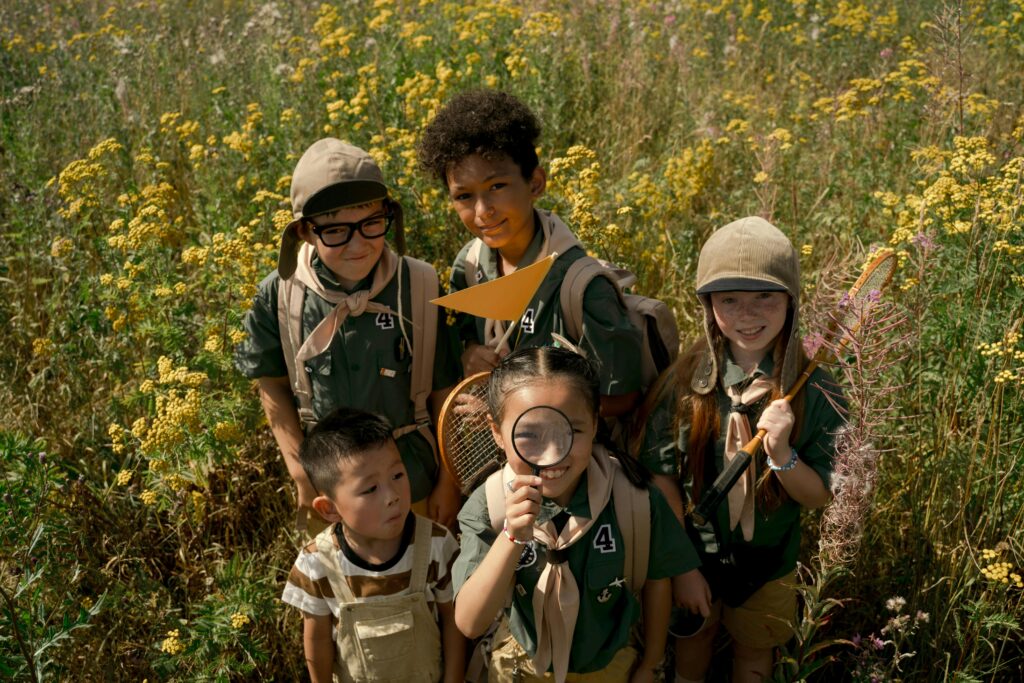
This guide breaks everything down in a friendly, simple way—just like we do at Omega Pediatrics—so your family can enjoy the outdoors with confidence. We’ll cover the best clothes, must-have gear, and easy steps to build sun-safe and bug-safe habits.
Sun and Bug Protection Matters Every Single Day
Sun and bug risks are not just summer problems. The sun’s UV rays reach your child’s skin even on cloudy days, and many insects—mosquitoes, ticks, and biting flies—are active in different seasons depending on where you live.
UV rays can cause sunburn, dark spots, eye damage, and long-term skin problems. Mosquito and tick bites can cause itching and may transmit illnesses. The good news? Clothing and gear provide the most reliable protection without chemicals, and they are effective all year long.
Clothing Helps Protect Your Child Better Than Sunscreen Alone
Sunscreens wear off. Clothes don’t. A simple long-sleeve shirt can block most UV rays without any reapplication. Clothing protects from:
- Blocking sunlight
- Covering more skin
- Staying effective even when your child sweats or swims
- Shielding against bugs like mosquitoes and ticks
Let’s dive into the top recommendations.
1. Choose UPF Clothing for Strong Sun Protection
UPF (Ultraviolet Protection Factor) is similar to SPF, but for clothing. A UPF 50 shirt blocks about 98% of UV rays. These clothes are great for playground time, hikes, and beach days. Look for:
- UPF 30 to 50+
- Long sleeves that feel soft and breathable
- Bright or dark colors (they block more UV)
2. Pick Tightly Woven Fabrics That Add Sun and Bug Protection

You don’t always need special UPF fabric. Clothes made from tightly woven materials can also block sun rays and prevent mosquitoes from biting through. If you hold the fabric up to the light and can’t see through it, that’s a great sign. Good choices include:
- Denim
- Canvas
- Poly-cotton blends
- High thread-count cotton
3. Wear Long Sleeves and Long Pants (yes, even in warm weather)
This sounds surprising, but covering more skin can actually keep kids cooler because it blocks direct sunlight. Loose-fitting clothes give bugs fewer places to bite. Look for:
- Lightweight long-sleeve shirts
- Breathable hiking pants
- Moisture-wicking fabrics
4. Use Built-In Insect Shield Clothing in Bug-Heavy Areas
Some clothes are treated with permethrin, a bug-repellent fabric treatment. These clothes are beneficial for camping, scouting trips, hikes, or outdoor sports. For safety, Permethrin is used on clothes only, not on skin. It protects against:
- Mosquitoes
- Ticks
- Chiggers
- Gnats
5. Pick Wide-Brim Hats for Strong Head, Face, and Neck Protection
Baseball caps don’t cover the ears or neck. A wide-brim hat is a simple upgrade. Kids benefit the most because their scalp is susceptible to sunburn. Look for hats:
- Brim all the way around
- UPF rating
- Chin strap for windy days
- Breathable mesh panels
6. Add Sunglasses That Block 100% UVA and UVB Rays
Eyes can get sunburned, too. Sunglasses help prevent headaches and eye strain. Choose:
- Wraparound styles
- Polycarbonate lenses (they’re kid-tough)
- UV 400 or “100% UV protection” labels
7. Use Bug Protection Gear When Clothing Isn’t Enough
For high-bug areas, add gear. These options are great for babies who can’t use repellent, such as:
- Mesh stroller covers
- Mosquito net hats
- Portable clip-on fans (mosquitoes hate moving air)
- Pop-up play tents with mesh sides
8. Choose the Right Footwear for Tick and Bug Safety
Ticks love ankles. Mosquitoes do too. For even more protection, tuck pants into socks on trails. Protect your child’s feet with:
- High socks
- Boots for wooded areas
- Shoes instead of sandals in bug-dense places
9. Layer Smartly in Colder Months for Sun and Bug Protection
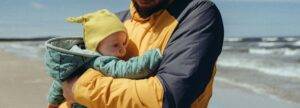 Winter sun can be strong—especially near snow, which reflects UV rays. Some bugs, such as ticks, remain active even in cool weather. Your child stays warm and protected without needing heavy sunscreen use. Smart layering includes:
- Long underwear or thermal leggings
- UPF long-sleeve base layer
- Fleece or hoodie
- Wind-resistant jacket
10. Use Color Wisely: Bright Colors for Sun, Light Colors for Bugs
Clothing color makes a big difference. A simple wardrobe flip can noticeably reduce bug bites.
- Sun protection: Bright colors like red, blue, and black absorb UV rays before they reach the skin.
- Bug protection: Light colors help keep mosquitoes away because they are attracted to darker shades.
Bonus Gear: Must-Have Items for Sun and Bug Protection Year-Round
The right tools can make outdoor time safer, easier, and much more fun for the whole family. Below are some parent-approved gear items that offer powerful, kid-friendly protection from both sun and bugs—no matter the season.
🧑🏻🤝🧑🏿 Clip-On Shade for Strollers
A simple clip-on shade adds instant UV protection for babies and toddlers. It creates a cool pocket of shade, blocks harsh sunlight, and keeps bugs from landing on your child while you’re on the go. It’s perfect for walks, parks, and neighborhood outings.
🧑🏻🤝🧑🏿 UV-Blocking Swim Shirts (Rash Guards)

Rash guards offer strong UPF protection and stay effective even when wet. They cover your child’s arms, chest, and back—spots that burn quickly. These shirts are ideal for pools, splash pads, and beach days because they remove the need to reapply sunscreen to those areas.
🧑🏻🤝🧑🏿 Lightweight Neck Gaiters
A neck gaiter protects the neck, chin, and sometimes part of the face from both sunlight and biting insects. They’re stretchy, breathable, and comfortable enough for all-day play. Kids like them because they feel soft and sporty.
🧑🏻🤝🧑🏿 Handheld Shade Umbrellas
These everyday umbrellas block direct sunlight and create instant shade wherever your child needs it. They’re useful during sports games, outdoor events, or long walks. Kids also enjoy using them because they feel fun and give a sense of independence.
Same-day and next-day appointments available.
🧑🏻🤝🧑🏿 Cooling Towels for Hot Days
Cooling towels help regulate body temperature when the heat climbs. After soaking in water and wringing out, the towel cools down quickly and stays cool for a long time. This helps reduce overheating while providing an additional barrier between skin and sunlight.
🧑🏻🤝🧑🏿 Breathable Bug-Repellent Bandanas
These bandanas are treated with long-lasting bug repellent to keep mosquitoes and ticks away. They’re lightweight, soft, and easy for kids to wear around the neck, wrist, or tied onto backpacks. They’re invaluable during hikes, camping trips, or evenings outdoors.
Quick Parent Guide: How to Dress Kids for Maximum Protection in Any Season
Here’s an easy formula. With this clothing and gear, sun protection becomes a simple habit-forming practice.
Spring and Summer
- UPF long-sleeve shirt
- Lightweight pants
- Wide-brim hat
- Sunglasses
- Light-colored clothing
- Mesh gear if bugs are heavy
Fall
- Layer with UPF shirts
- Thick leggings or durable pants
- Light jacket
- Bug-blocking socks
Winter
- UPF base layer
- Insulating mid-layer
- Jacket with a hood
- Gloves and boots
- Sunglasses (snow glare is strong!)
Helpful Outdoor Safety Tips for Parents
Simple actions can protect your child’s health in big ways. These habits are easy to learn, easy to repeat, and make a real difference when your family spends time outside—whether it’s a quick walk, a playground trip, or a full day of adventures.
😎 Reapply Sunscreen on Exposed Skin Every 2 Hours
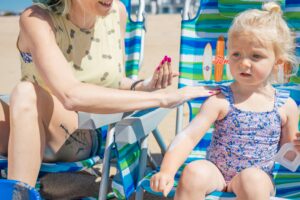
Sunscreen wears off faster than most parents realize, especially when kids sweat, swim, or wipe their faces. Reapplying every 2 hours helps maintain strong protection. If your child is playing in water or sweating a lot, reapply even sooner. Sunscreen only works when it’s on the skin.
😎 Wash Bug-Treated Clothing Separately
Some outdoor gear is treated with bug repellent, such as permethrin. These items should be washed separately to maintain the treatment’s effectiveness and prevent it from rubbing off onto other clothes. A gentle cycle and mild detergent help them last longer.
😎 Check for Ticks After Hikes or Grass Play
Ticks prefer to hide in warm, soft spots on the body. After outdoor play—especially in wooded or grassy areas—do a quick head-to-toe check. Look behind the ears, around the waistband, under the arms, and along the hairline. Catching a tick early prevents bites from becoming bigger problems.
😎 Let Kids Wear Clothing They Can Move and Play In
Protection should never get in the way of fun. Choose clothes that fit well, stretch easily, and feel soft on your child’s skin. If kids can run, jump, climb, and explore comfortably, they’re more likely to keep protective clothing on without fuss.
😎 Always Pack a Backup Hat and Long-Sleeve Shirt
Weather changes. Shade disappears. Bugs show up. Having an extra hat or long-sleeve shirt in your bag means you’re always ready. A lightweight long sleeve is great for blocking both sun and bug bites, and a simple hat can protect the face, eyes, and neck in seconds.
How to Build Simple Daily Sun and Bug Safety Habits
Small routines help kids stay safe without turning outdoor time into a chore. When these habits become part of your family’s normal day, kids protect their skin without even thinking about it. Start with one or two easy steps.
- Make a “hat check” before leaving the house, just as you would check for shoes. You can also keep a lightweight long-sleeve shirt or UPF jacket in your child’s backpack so they always have something protective to pull on at any time.
 Kids love feeling prepared, and having their own sun-safe gear makes them feel responsible.
- Teach your child to look for shade. Show them how trees, building overhangs, and umbrellas can help block the sun. Over time, they’ll learn to pick shaded spots automatically during recess, sports, or playtime.
- Morning routines are also great for building sun-safe habits. You can apply sunscreen right after brushing teeth, making it part of your daily rhythm. Kids see it as just another step—simple and quick.
- Before outdoor play in warm months, remind kids to wear light-colored clothing, tuck pants into socks during hikes, or grab a hat with a brim.
- After outdoor time, do a quick “tick check” at the scalp, behind the ears, around the waist, and under the arms. This takes less than a minute and keeps kids safe without stress.
When families repeat these steps every day, sun and bug protection feels less like extra work and more like a natural part of staying healthy—just like handwashing or wearing a seatbelt. Kids grow up with the confidence to care for their own bodies and make safe choices outdoors.
Best Times of Day for Safe Outdoor Play
The sun is strongest between 10 AM and 4 PM, and that’s when your child’s skin can burn the fastest. UV rays are more intense during these hours because the sun is higher in the sky, and there is less atmosphere to block the radiation.
Even on cloudy days, up to 80% of UV rays can still reach your child’s skin, so it’s important to plan wisely. Mosquito activity also changes throughout the day. These bugs are most active near sunrise and sunset, when the air is cooler and calmer. During these times, mosquitoes are more likely to fly and bite people.
Planning playtime away from these peak bug hours can help protect your child from itchy bites and discomfort. Whenever possible, schedule outdoor play for early mornings or later afternoons. Kids still get plenty of sunlight and outdoor fun, but without the strongest UV rays beating down on them.
These times of day also tend to be cooler, making outdoor time more comfortable. If your family needs to be outside during midday—like for sports, errands, or school events—try to stick to shaded areas. Look for trees, umbrellas, awnings, or tents that can help block direct sunlight.
Portable shade gear, such as clip-on stroller shades or handheld umbrellas, can also make a big difference. During hot months, taking regular “shade breaks” helps kids cool down and avoid overheating. Encourage them to drink water, rest for a few minutes, and then jump back into play.
Kids who stay cool and protected enjoy outdoor time more and stay safer doing it. With a little planning, families can enjoy outdoor time all year long while keeping their skin safe and minimizing the risk of bug bites.
Strong Sun and Bug Protection Doesn’t Have to Be Complicated
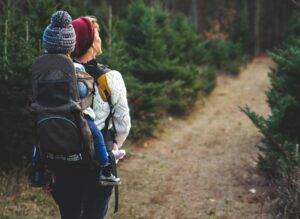
You don’t have to rely on sunscreen alone. Simple clothing changes and basic gear can protect your child better—and with less effort. When kids feel comfortable and safe outdoors, they can explore, play, and learn without worry.
With these year-round tips, your family can enjoy sunshine, fresh air, and adventure with confidence. If you have any questions about sun safety, bug protection, or choosing the right gear, the team at Omega Pediatrics is always ready to help.
Trusted Resources from Omega Pediatrics
These two helpful guides provide further insights:
- Get Rid of Mosquito Bites: 6 Safe and Effective Solutions for Kids
- Baby Skincare 101: How to Preserve Your Infant’s Sensitive Skin
You can explore more family-friendly resources throughout the Omega Pediatrics blog.