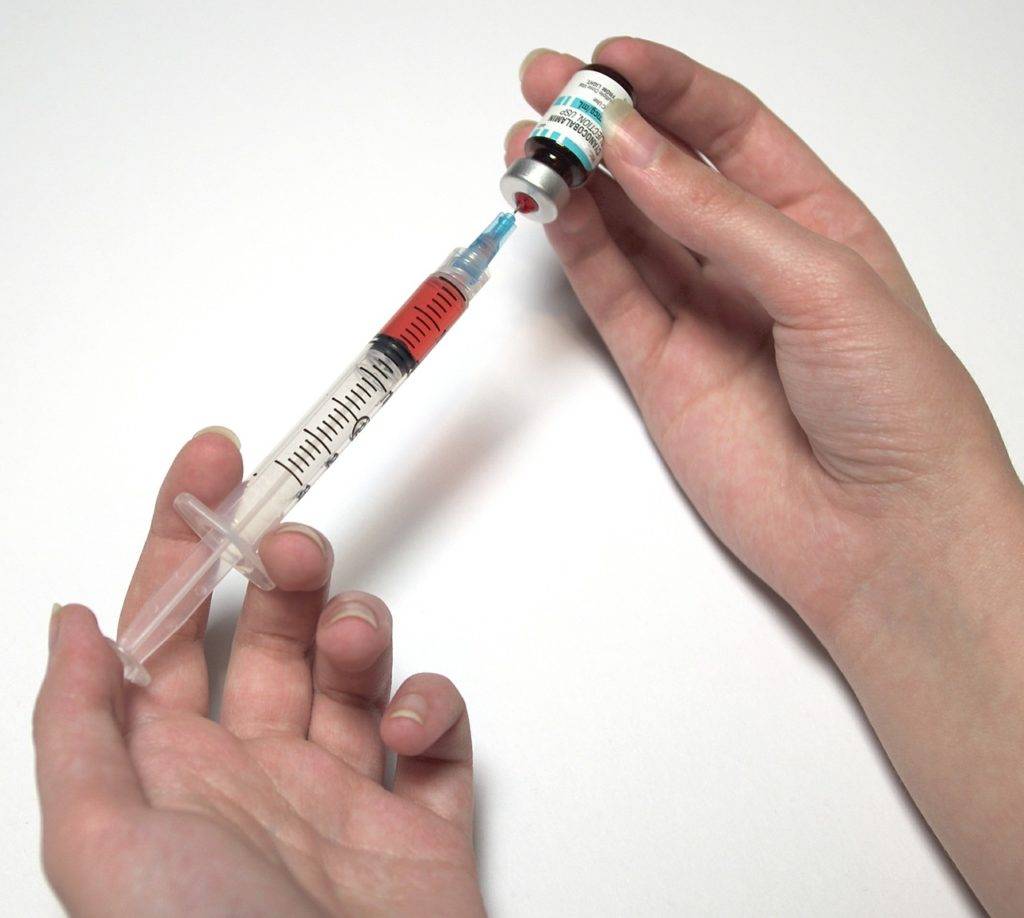
Let’s be honest: vaccine names are confusing. DTaP? TDaP? TD? Is that some new code from a video game? (Nope—but wouldn’t that be cool?)
If you’re a parent trying to figure out what’s going into your child’s arm (or maybe your own), this guide is for you. We’re going to break it down super simply—fifth-grade reading level, promise—and even toss in one of my favorite memory tricks to make it stick. I’ll also explain why these vaccines matter, how they’ve changed over time, and what every parent should know about protecting their baby.
Also, no judgment here. At Omega Pediatrics, we’re vaccine-friendly, meaning we strongly encourage vaccines based on science and years of real-world success—but we still welcome families who are unsure or hesitant. Our door is always open.

What is DTaP? What is TDaP?
Both DTaP and TDaP vaccines protect against the same three dangerous diseases:
- D = Diphtheria
- T = Tetanus
- aP = Acellular Pertussis (aka whooping cough)
But here’s the deal—they’re for different ages and doses.
- DTaP is given to young children (usually under age 7).
- TDaP is a booster given to older kids, teens, and adults.
💡 Dr. Michael’s Memory Trick:
If it’s TDaP, the T is for Tall — so it’s for older kids and adults.
If it’s DTaP, the D is for Diaper — meaning it’s for babies and toddlers. Cute, right?
Why Do We Need These Vaccines?
Because before we had vaccines, kids died from these diseases. Let’s take a look:
Diphtheria
This used to be called the “strangling angel of children.” It creates a thick coating in the throat and can suffocate kids.
Tetanus
Also called “lockjaw,” tetanus causes painful muscle spasms and stiffness. It doesn’t spread from person to person—you get it from bacteria in dirt and wounds.
Pertussis (Whooping Cough)
This one’s tricky—very contagious and very dangerous for babies. It causes long coughing fits, trouble breathing, and even death in infants.
Now imagine we can prevent all of this with just a few simple shots. That’s the power of vaccines.

A Quick History Lesson (Yes, It’s Interesting—I Promise!)
Where it all started…
The first versions of these vaccines came out in the 1940s. Back then, we had DTP, which used a whole-cell pertussis vaccine. It worked but caused more side effects like fever and swelling.
Enter DTaP
In the 1990s, scientists developed a “cleaner” version: DTaP, which uses only parts of the pertussis bacteria (called acellular). Fewer side effects, still great protection.
The Birth of TDaP
In 2005, we got TDaP—a smaller-dose version designed for older kids and adults who need a booster.
Why a smaller dose? Because we don’t need the full baby-sized dose once our immune system has already been trained.
Why This Vaccine Still Matters Today
Let’s be real—some people think these diseases are “gone.” But here’s the truth:
Same-day and next-day appointments available.
- Pertussis is still out there. We see outbreaks every year, especially when people skip boosters.
- Tetanus is rare, but it’s still deadly. It doesn’t care how old you are.
- Diphtheria is uncommon in the U.S., but it’s still a problem in other countries—and one airplane ride is all it takes.
The Problem: Adults Forget Their TDaP Booster

This is the heartbreaking part. Sometimes, a new baby gets really sick with whooping cough. And guess what?
It was the parent, grandparent, or sibling who gave it to them—because they didn’t get their TDaP booster.
Babies can’t get their first DTaP shot until 2 months old, and they don’t get full protection until they’ve had at least 3 doses (around 6 months). So if someone around them brings the germ in, they’re vulnerable.
How to Prevent This:
- All pregnant women should get a TDaP booster during every pregnancy (usually around 27-36 weeks). This helps protect the baby until they can get their shots.
- All adults and teens should get a TDaP booster if they haven’t had one in the last 10 years.
The Vaccine Schedule: What to Expect
For Kids (DTaP)
- 2 months
- 4 months
- 6 months
- 15–18 months
- 4–6 years
For Teens & Adults (TDaP)
- Age 11–12: First TDaP booster
- Then every 10 years: Either TDaP or Td booster
During Pregnancy
More on the full vaccine schedule is available at the CDC’s Child and Teen Immunization Schedule and the American Academy of Pediatrics (AAP) Vaccine Recommendations.
Is It Safe?
Yes. DTaP and TDaP vaccines are very safe and have been used millions of times in the U.S. and worldwide.
Side effects? Usually mild: soreness where the shot was given, a little swelling or redness, or maybe a low-grade fever.
Serious side effects? Extremely rare.
Not Sure About Vaccines? It’s OK to Talk
At Omega Pediatrics, we know vaccines can feel overwhelming. You might have questions or even some worries. That’s normal.
We are vaccine-friendly—that means:
- We strongly support vaccines based on science and decades of success.
- We respect parents’ concerns and always welcome open conversations.
- We do not judge. Whether you’re ready to vaccinate, want to space things out, or need more time—come talk to us.
You’re always welcome here, and we will always care for your child—vaccine or no vaccine. We’d rather be your partner than lose the chance to guide you.
Want to Read More?
Here are a few helpful links from Omega Pediatrics and trusted national organizations:
- 👉 Omega Pediatrics: Are Childhood Vaccines Safe?
- 👉 Omega Pediatrics: What’s the Right Vaccine Schedule for My Child?
- 📚 CDC – TDaP and DTaP Vaccine Information
- 📘 American Academy of Pediatrics (AAP) Immunization Guidance
Final Thoughts from Dr. Michael

If you made it to the end of this article, I am genuinely impressed. You clearly care. You clearly want the best for your child. And that’s why we’re here.
DTaP and TDaP save lives. They’re simple, effective, and safe. And they help protect our most vulnerable little ones before they can protect themselves.
Let’s keep working together to raise happy, healthy, strong kids.
💉 Got questions about vaccines?
🏥 Want to come in for a visit, even if you’re not sure about shots yet?
You’re always welcome at Omega Pediatrics. No judgment. Just care.