Gastroenteritis—often called the “stomach flu”—can sweep into a home fast and turn a normal day into a mess of worry, laundry, and long nights. As your child starts to feel a little better, a big question quickly pops up: “When can my child return to school?”
This guide breaks down the answer in a simple, warm, and stress-free way so you always know what to do next. We’ll talk about the symptoms to watch for, the time frames doctors use, and the safest point for your child to return to school without risking another wave of sickness.
We’ll also explain key terms, share practical tips to prevent spread, and offer emotional comfort every step of the way.
What is Gastroenteritis in Kids?
Gastroenteritis is an infection of the stomach and intestines. It causes symptoms like vomiting, diarrhea, belly cramps, and sometimes fever. A virus, bacteria, or other germs from food can cause the infection.
Kids catch it easily because they touch everything, forget to wash their hands, and share food or toys without thinking. Although it’s common, this illness can be draining. It leaves kids tired and weak. That’s why rushing them back or returning to school too early can slow recovery and spread germs to classmates.
Golden Rule to Return to School: When Vomiting and Diarrhea Fully Stop
The most trusted rule used by pediatricians—including the doctors at Omega Pediatrics—is simple:
👉 Kids should return to school only after vomiting and diarrhea have fully stopped for at least 24 hours.
Why 24 hours?
Because the body needs time to recover, regain strength, and rehydrate, some kids feel better a few hours after vomiting ends, but their body is still working hard.
Waiting a full day makes school a much safer and more comfortable place. If diarrhea is still happening—even one loose stool in the morning—it’s not time to return to school.
 Fever-Free Matters
 Fever-Free Matters
If your child had a fever during gastroenteritis, they must also be fever-free for 24 hours without the use of fever-reducing medication. That means no acetaminophen (Tylenol) or ibuprofen masking the symptoms.
A fever is the body’s sign that it’s still fighting an infection. Sending a child back too soon can cause the fever to return at school, putting teachers in a tough spot and your child at risk for dehydration.
Understanding Contagious Periods (A Simple Explanation)
The contagious period refers to the time a sick child can spread germs to others. For viral gastroenteritis, like norovirus, kids are usually contagious:
- While they have symptoms, and
- Up to 48 hours after symptoms end
But schools do not usually require a full 48 hours at home. Most schools and pediatricians agree that 24 hours after symptoms stop is safe enough, as long as your child can drink, eat lightly, and use the bathroom without emergency trips.
Can Kids Return if They Still Have a Mild Cough or Feel Tired?
Yes—if the cough is mild and not causing vomiting, and if your child’s energy is slowly returning. No child feels perfect the day after gastroenteritis. Feeling a little tired is normal. If your child is too weak to carry their backpack or walk comfortably, give them one more day at home.
What matters most is:
- No vomiting
- No diarrhea
- No fever
- Able to keep food and liquids down
- Able to do normal school activities (walking, sitting, learning)
Signs Your Child Is Truly Ready for Return to School

Use this parent checklist to feel confident:
✔ They ask for food without feeling sick
Kids who feel better get hungry again. Start with simple foods like bananas, toast, applesauce, or oatmeal.
✔ They can drink without trouble
Hydration is key. If they can sip water or an electrolyte drink without vomiting, this is a great sign.
✔ They have normal poop again
One last check before school: Is their stool normal? If it’s still watery, wait.
✔ They are alert and can focus
A child who is too sleepy or cranky is not ready for a busy day away from home.
✔ They can wash their hands independently
This is a BIG one. Kids must wash their hands after using the bathroom to prevent germs from spreading to classmates.
When to Keep Kids Home Even Longer
Some kids need more time to recover. These could be signs of a more serious infection and should be checked by a doctor. Keep your child home if:
- show signs of dehydration (dry lips, crying without tears, no pee for 8 hours).
- refuse to drink or take only tiny sips.
- blood in their stool.
- severe stomach pain that doesn’t get better.
- symptoms last more than 3 days.
Special Rule: If the School Requires a Doctor’s Note
Some schools, especially daycare centers or preschools, ask for a doctor’s note before a child returns. Healthcare providers at Omega Pediatrics can help with this.
👉 If your child recently had gastroenteritis, you can learn more about hydration concerns and recovery tips in this helpful post: Dehydration in Kids: 10 Signs You Should Never Ignore
Home Care Tips: Kids Feel Better Faster
- Kids bounce back more quickly when they feel calm, safe, and supported. Here’s what helps the most:
- Offer Small Sips Often: Large drinks can trigger vomiting. Small sips work better.
- Choose “Easy on the Belly” Foods: The BRAT diet (Bananas, Rice, Applesauce, Toast) works well.
- Let Them Rest Without Guilt: Rest helps the body heal. A calm movie day or quiet play helps more than rushing back too soon.
- Keep the Bathroom Close: This lowers stress for kids who worry about sudden diarrhea.
- Celebrate Little Wins: A meal finished or a full glass of water is a big step. Tell them, “You’re doing great!”
Understanding School Policies (What Most Schools Follow)
Most schools follow similar guidelines:
- 24 hours free of diarrhea
- 24 hours free of vomiting
- 24 hours fever-free without medicine
Even if other parents send kids back early, you don’t have to. You know your child best. Some schools may also inquire about symptoms like stomach cramps or nausea. Be honest with the school nurse. Their job is to keep everyone healthy.
Keep Gastroenteritis from Spreading at Home
Stopping the spread at home helps protect siblings and caregivers. These steps make a huge difference:
- Wash Hands Often: Use warm water and soap for at least 20 seconds. A simple song like “Happy Birthday” works as a timer.
- Wipe Down High-Touch Surfaces: Doorknobs, remotes, faucets, and light switches often carry a significant amount of germs.
- Use a Separate Bathroom If Possible: If not, clean the toilet seat and flush handle after each use.
- Wash Clothes and Sheets in Hot Water: Gastroenteritis viruses can live on fabric. Hot water kills them.
- Don’t Share Food or Drinks: Even a tiny sip can spread the illness.
Returning Too Early Can Cause Setbacks
Taking one more day at home is often better than losing three days later. Sending kids back too soon can lead to:
- A return of symptoms at school
- Dehydration from busy days with less drinking
- Embarrassment from sudden diarrhea or vomiting
- More missed days later
Help Kids With Anxiety About Return to School (Simple Ways to Bring Comfort and Confidence)
 and Confidence)
Gastroenteritis can be a scary experience for kids. Feeling sick, throwing up, or rushing to the bathroom can make them feel embarrassed or nervous. So when it’s time to return to school, some children worry about getting sick again, having an accident, or being away from you after feeling so vulnerable.
These feelings are completely normal, and with a little extra reassurance, your child can go back to school feeling safe and prepared.
Same-day and next-day appointments available.
😀 Reassure Them That Their Body Is Healing
Kids often need to hear simple, clear statements to feel calm. Let them know, “Your body is getting stronger every day,” or “Your tummy is healing now.” These comforting words help them trust their own recovery.
You can also explain that the 24-hour rule—no vomiting, diarrhea, or fever—is how you know their body is ready for normal activities again.
😀 Let Them Know the School Nurse Is There to Help
Many children feel safer when they know a trusted adult at school can help if their stomach feels “funny.” Inform them that the school nurse knows exactly what to do and that they can ask for help any time. This takes pressure off kids who fear they won’t know what to do if they start to feel sick.
For extra comfort, practice what they can say, such as: “I don’t feel well,” or “Can I go to the nurse, please?” Simple scripts help kids feel more confident.
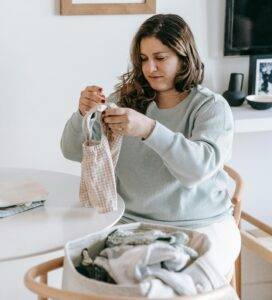
😀 Pack Extra Underwear, Wipes, and a Small Bag “Just in Case”
 😀 Pack Extra Underwear, Wipes, and a Small Bag “Just in Case”
Many children fear having an accident in front of classmates. Packing a small “safety kit” in their backpack—extra underwear, wipes, and a plastic bag—can instantly ease this fear.
Most of the time, they won’t need it, but just knowing it’s there helps them feel in control. Tell them, “This is just to help you feel safe. Almost every kid needs this at some point.”
😀 Give Them a Small Comfort Object
A tiny plush, a special keychain, or a small note from you can provide big emotional support. Kids often feel calmer when they have something that reminds them of home. Choose something small enough to fit in a pocket so they can touch it if they feel nervous.
You might add a short message like, “You’re brave, and I’m proud of you.” These small reminders can make a huge difference during the school day.
When to Call the Doctor (Important Signs You Shouldn’t Ignore)
Even though most cases of gastroenteritis get better at home, there are times when your child may need medical help. Trust your instincts—parents usually know when something feels “off.” If you notice any of the signs below, it’s best to call your pediatrician right away.
Your child can’t keep down liquids for more than 6 hours
Kids lose a lot of water when they vomit or have diarrhea. If your child throws up every time they drink, their body can’t stay hydrated. Dehydration can happen fast, especially in young children. A doctor can guide you on the next steps and help prevent the situation from getting worse.
Vomiting lasts longer than 24 hours
Vomiting that persists for more than a full day may indicate that the stomach is irritated or the infection is more serious. Long-lasting vomiting also makes it harder for your child to drink, eat, and rest. A pediatrician can check if there’s an underlying cause or if your child needs medicine to feel better.
Diarrhea lasts longer than 5 days
Most diarrhea due to gastroenteritis starts to improve within a few days. If it continues past day five, it may be a sign of another infection or a food-related issue. Long-lasting diarrhea can also lead to dehydration; therefore, it’s essential to get medical attention.
You see signs of dehydration

Dehydration means the body lacks sufficient water. This can be dangerous for children. These signs mean your child needs fluids immediately. Call your doctor if your child has:
- Very dry lips or mouth
- No tears when crying
- No urine for 8 hours or very dark urine
- Sunken eyes
- Feeling dizzy or extra tired
You notice blood in vomit or stool
Blood in vomit or poop is never normal. Sometimes it can be due to irritation, but it can also mean a more serious infection or stomach issue. A doctor should evaluate this as soon as possible.
Your child seems unusually sleepy or weak
If your child is harder to wake up, too tired to drink, or says they feel very weak, call your doctor. Extreme tiredness can be a sign of dehydration or that the body is struggling to fight the illness. Kids should look a little better each day—not worse.
👉 If you’re unsure, this helpful Omega Pediatrics guide can help you judge symptoms clearly: The Profound Impact of Personalized and Accessible Care in Pediatrics and Preparing for a Pediatric Visit: 5 Steps to Make Your Next Visit a Smooth and Enjoyable Experience
Helpful 10-Point Checklist for Return to School
Before sending your child back, go through this quick list. If you tick all the boxes—your child is ready!
✳️No vomiting for 24 hours
✳️No diarrhea for 24 hours
✳️No fever for 24 hours
✳️Eating simple foods without trouble
✳️Drinking well
✳️Energy level improved
✳️Normal bathroom use
✳️No stomach cramps
✳️Able to keep up with daily activities
✳️ Able to wash hands on their own
Guide Your Child to Full Recovery
Caring for a child with gastroenteritis can feel overwhelming, but you’ve guided them through the hardest part. Now you know exactly when it’s safe for them to return to school—and how to make that transition smooth and stress-free. Remember, healing takes patience.
Giving your child even one extra day of rest can help their body recover fully and prevent germs from spreading. Trust the signs, trust the 24-hour rule, and trust yourself. You know your child better than anyone.
With your love, comfort, and support, they’ll be ready to jump back into school life feeling stronger, happier, and healthier. And if you ever need help or reassurance, the team at Omega Pediatrics is always here to guide you every step of the way.