Bringing your baby outside can be one of the most joyful parts of early parenthood: the gentle breeze, the natural light, the chance to show your little one the world. However, as a parent, you also want to make sure every outdoor moment is safe, comfortable, and healthy—no matter the season.
This article will explore practical, reliable strategies to keep babies safe outdoors all year long, from scorching summer days to chilly winter walks, and everything in between.
Outdoor Time Matters (and Needs Careful Planning)
Fresh air, natural light, and gentle outdoor stimulation are beneficial for babies. Outdoor time can help regulate sleep cycles, boost mood, and expose babies to new sounds, smells, and sights—all of which support healthy development.
However, babies (especially newborns) are vulnerable to their surroundings than older children or adults. Their skin is sensitive, their ability to regulate body temperature is limited, and their immune system is still developing. Just like any other aspect of parenting, outdoor time should be approached thoughtfully.
With the right precautions, you can help your baby enjoy the outdoors safely, no matter the season.
Preparing Kids for the Outdoors: What Must-Do’s
Before heading out, good preparation is key. These simple preparations can help make any outdoor trip—even a quick walk—smoother and safer. Use this checklist to make sure you’re ready:
- Pack a diaper bag with diapers, wipes, extra clothes, and a clean, dry blanket.
- Bring feeding supplies: breastfeeding cover or formula/bottle, if needed, plus burp cloths or bibs.
- Keep hand sanitizer or baby-safe wipes handy—always clean your hands before handling feeding bottles or preparing food.
- Ensure the stroller or baby carrier is in good working condition and that all straps, buckles, or supports work properly.
- Pay attention to the weather, air quality, and UV index before heading outdoors.
Season-by-Season Safety Tips
Because weather and environmental conditions change throughout the year, keeping your baby safe outdoors requires adapting to each season’s specific needs. Below, we break down practical tips for each type of weather.
☀️ Summer and Hot Weather
Sun Protection Is a Must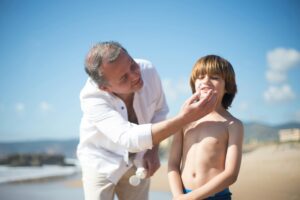
- Use a broad-spectrum sunscreen (SPF 30 or higher) on exposed skin only if your baby is old enough, and reapply every two hours—but note: for babies under six months, it’s better to rely on shade and protective clothing than sunscreen.
- Dress your baby in lightweight, breathable clothing that covers arms and legs. Light fabrics like cotton are ideal.
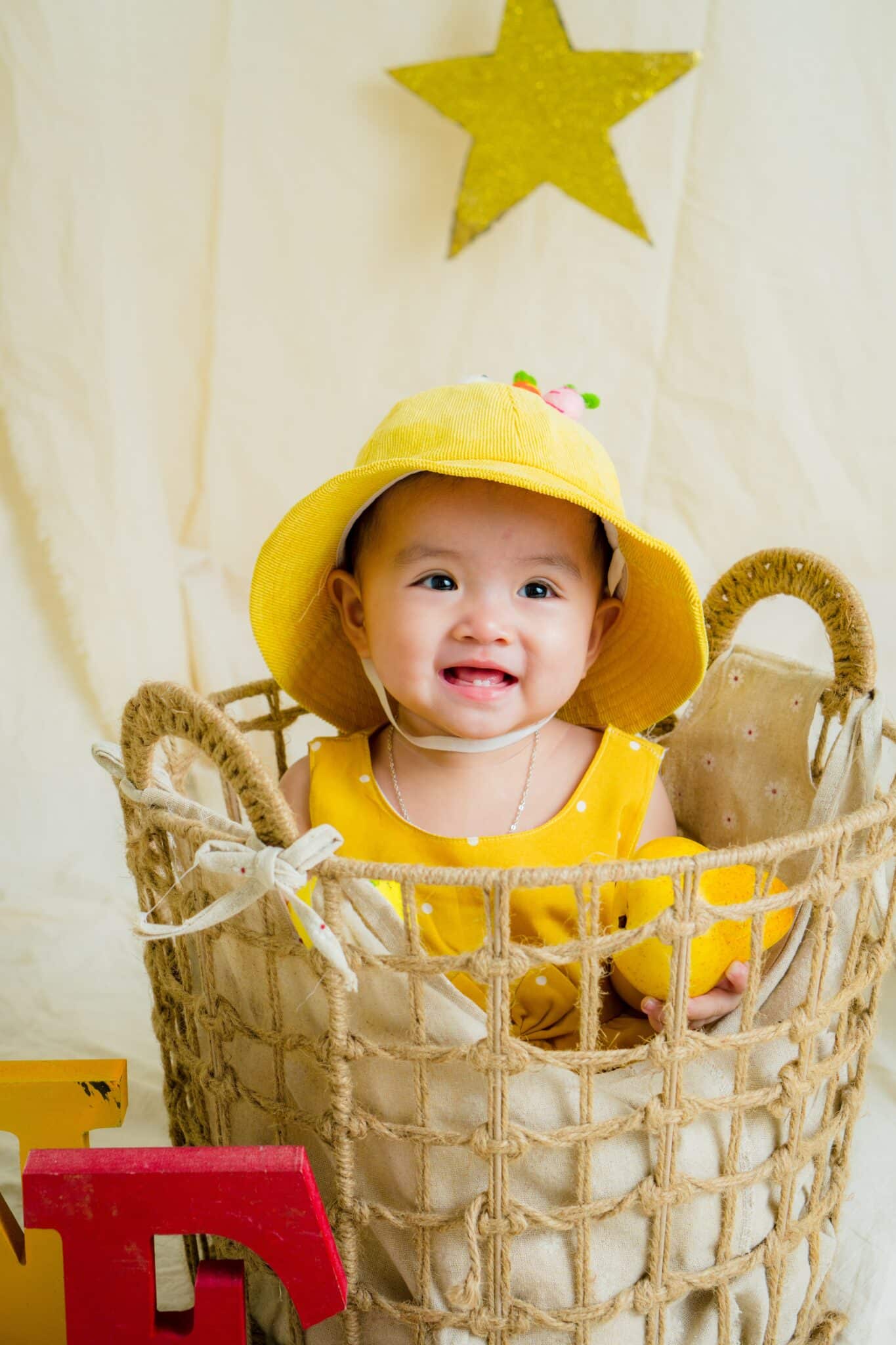
- Use accessories such as wide-brimmed hats, sunglasses (that block 100% UV), or sun visors, and consider using a shade umbrella or stroller canopy.
Stay Cool and Avoid Heat Stress
- Plan outings during the cooler parts of the day—early morning or late afternoon — especially when the sun is at its most intense.
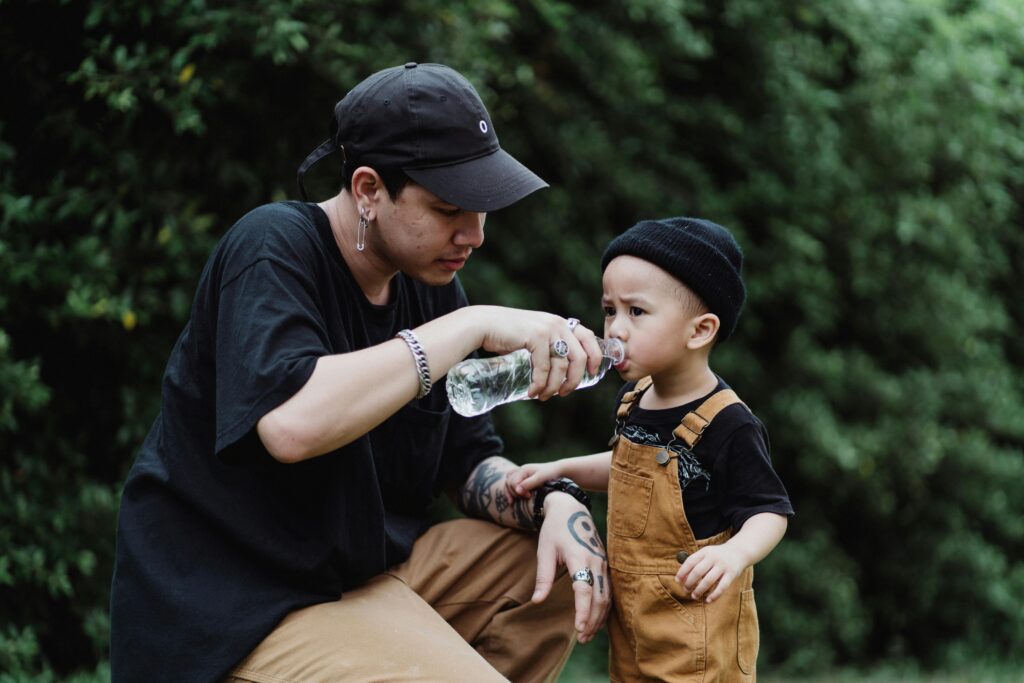
- Keep your baby well-hydrated. For breastfeeding babies, offer extra feeds. For older infants, offer water if advised by your pediatrician.
- Watch for signs of overheating: Flushed skin, sweating, rapid breathing, irritability. If these occur, move to a cooler spot, seek shade, or go indoors.
Protect From Bugs and Insects
Bugs, mosquitoes, and ticks are more active in warm months. Apply safe insect repellent (for babies old enough) or use protective clothing. Cover strollers with mosquito nets when resting outside. Avoid areas with stagnant water or heavy vegetation.
Choose Safe Surfaces
Avoid placing your baby’s bare feet on very hot pavement, sand, or metal surfaces. Use a blanket, stroller, or shoes if age-appropriate. Prolonged exposure to heat on the ground can cause burns or discomfort.
 🍂 Rainy Season and Wet Weather
 🍂 Rainy Season and Wet Weather
In some climates (like tropical ones), rain and humidity bring their own challenges.
- Avoid going out in heavy rain, thunderstorms, or when the ground is slippery. Wet surfaces increase the risk of falls or stroller accidents.
- If you must go out, use a rainproof cover for your stroller. Ensure the cover allows proper airflow — babies can overheat if it traps too much heat.
- Clean and dry baby clothes fully after trips outside. Moisture can irritate a baby’s skin or cause rashes.
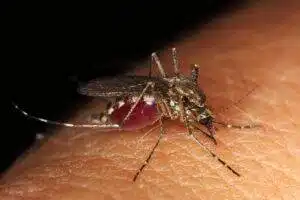
- Avoid areas with standing water (puddles, flooded patches) where mosquitoes may breed. Always treat any stagnant water as a potential hazard.
🍁 Cooler Months and Mild Weather
Cooler weather often brings great comfort—but babies need extra care.
- Babies lose heat faster than adults. Dress them in layers: choose breathable base layers, add a soft sweater or jacket, and top with a hat or soft cap to maintain warmth. Cover hands and feet when needed.
- Avoid overdressing. Too many layers—especially in carriers or under blankets—may cause overheating if the baby becomes too warm.
- Choose a stroller or carry-cot with a weather-appropriate cover to shield from wind or light rain without blocking airflow.
- Limit time outside during very cold or windy days. Newborns, in particular, struggle to regulate their body temperature effectively; therefore, short trips (15–30 minutes) are safest to start.
🌬️ Mixed Weather and Changing Seasons
Sometimes the weather changes rapidly—sunny mornings turn to windy or cloudy, or a breezy day that becomes chilly. In those cases:
- Check the forecast carefully before leaving.
- Dress your baby in layers that are easy to add or remove.
- Bring a lightweight blanket or cover, even if the temperature is warm, in case the temperature drops.
- Use a stroller or carrier that offers adjustable ventilation and shade, allowing you to adapt to changing conditions.
Common Outdoor Hazards: Don’t Forget the Risks
Keeping babies safe outdoors isn’t just about the weather. Some risks are easy to forget.
Air Quality and Pollution

If your area has air pollution, high smog, smoke, or allergens (such as pollen or dust), limit outdoor time— especially for newborns or babies with respiratory issues. Their lungs are still developing, and they are more sensitive to irritants.
Check local air-quality indexes or weather apps before planning walks, then postpone outings if air quality is poor.
Crowded Spaces and Germ Exposure
Bigger crowds — at markets, malls, events — can carry germs. Babies have weaker immune systems, so large gatherings increase the risk of infections. For the early months, it may be best to stick with quiet, open, natural outdoor spaces instead.
You can also keep your baby in a covered stroller or a baby carrier to reduce face-to-face contact with many people (beneficial during flu season or outbreaks).
Same-day and next-day appointments available.
Insect Bites and Vector Diseases
When outdoors, biting insects pose a serious threat. Avoiding areas with stagnant water or heavy vegetation helps reduce exposure to mosquitoes, ticks, and other biting pests. Use insect-repellent clothing when possible, apply repellents safely (or avoid them for very young babies).
Always use nets or covers on strollers or carriers in areas with bugs.
Get Equipped: Choose Safe Outdoor Gear
The gear you use—such as a stroller, baby carrier, sun/rain protection—is important for your baby’s comfort and safety.
- Strollers: Pick models with a sturdy frame, good suspension, and a canopy that protects from sun, wind, and rain. When the baby is still very young, ensure the stroller reclines sufficiently for them to lie flat or semi-reclined, with proper head and neck support.
- Baby Carriers/Slings: Carriers are great for skin-to-skin comfort and allow hands-free movement. However, ensure they support the baby’s hips and spine properly—essential in the early months. Avoid carriers that force legs into narrow positions or don’t support the neck well.
- Covers and Canopies: A good shade cloth, a raincover, or mosquito net can protect against UV, rain, and bugs—but make sure they’re breathable, letting in enough air so baby doesn’t overheat.
- Blankets and Wraps: Use lightweight blankets—avoid heavy ones that may cause overheating in warm weather. Use breathable materials like cotton. When using wraps or blankets in carriers or strollers, ensure the baby’s face is not pressed against the fabric, and airflow is maintained.
Duration Matters: How Long Should Outdoor Time Be?
Young babies—especially newborns—should start with short outings. It’s quality, not just time, that counts. A well-protected 20-minute walk under a shaded area can be more beneficial than a long time outdoors under the sun or in poor conditions. Here’s a rough guide:
- Newborns (0–2 months): 15–30 minutes of outdoor time is plenty to start. Watch their behavior—signs of fussiness, redness, or coldness or heat mean it’s time to go home.
- 3–6 months: You may gradually increase to 30–45 minutes, a couple of times a day, depending on climate and comfort.
- 6–12 months and onward: As the baby becomes older and more resilient, regular outdoor strolls or playtime can increase — but always adjust based on weather, air quality, and the baby’s responses.
Timing is Crucial: When to Stay Indoors
There are definitely times when staying inside is the wise choice. If one of these conditions arises, it’s best to wait or make a quick, well-protected outdoor foray rather than a long outing. Here are situations when you should avoid outdoor trips:
- Extreme heat or cold (very high or very low temperatures)—especially for newborns. Overheating or hypothermia are real risks.
- Poor air quality (pollution, smog, high pollen, wildfire smoke, etc.). Babies’ lungs are vulnerable.
- High UV index during peak sun hours if shade isn’t available.
- Heavy rain, strong wind, storms, or flooding. Wet or slippery surfaces and unstable weather are hazardous.
- High-insect activity zones, such as those with mosquitoes, ticks, or other biting pests—especially when disease risk is high.
- Crowded, enclosed public spaces during times of illness outbreaks. Babies’ immune systems may not be able to handle these risks well.
How to Make Outdoor Time Fun and Safe
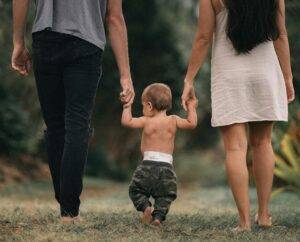 With the right approach, outdoor time doesn’t just become safe—it becomes delightful. Here are some ideas to make it enjoyable for both baby and parents:
- Schedule walks strategically: Early morning or late afternoon walks avoid peak sun and heat.
- Use shady or green spaces: Parks with trees, tree-lined sidewalks, or shaded gardens provide a calm and safe environment.
- Keep outings short but frequent: Several short strolls are often better than one long, uncomfortable trip.
- Bring interactive toys: A stroller toy, a lightweight soft toy, or a small rattle can engage a baby’s senses as they look around.
- Talk to your baby: Describe what you see—trees, leaves, birds, clouds. This helps with language exposure, even at an early age.
- Make it a parent-baby ritual: A short outdoor walk each day can become a comforting routine—good for you and your baby’s mood.
Expert Advice: When to Talk to Your Pediatrician
Your pediatrician is your best partner in keeping your baby safe outdoors. Each baby is unique. Some need extra care or special steps before spending time outside. Talking with your pediatrician can help you understand what is safe, what to avoid, and how long your baby can safely stay outdoors in various weather conditions.
Here’s when it’s crucial to reach out:
1. If Your Baby Was Born Preterm or Has Health Conditions
Babies who were born early (preterm) or have medical issues—like heart problems, lung problems, or low birth weight—can get tired, cold, or overheated much faster than other babies. Their bodies may not tolerate temperature changes well, and they may be more susceptible to the effects of pollution, heat, or cold.
Your doctor can tell you:
- How long should outdoor time be
- What weather to avoid
- What signs to watch for when you’re outside
2. If Your Baby Has Sensitive Skin or Allergies
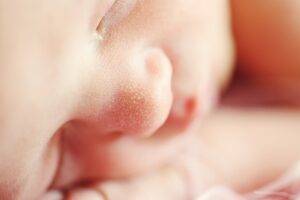
Some babies have skin that reacts quickly to sunlight, heat, cold, or even plants in the environment. Others may have allergies that make breathing harder outdoors. A pediatrician can help you understand:
- Which sunscreen is safest (and at what age)
- How to protect skin from rashes
- Whether pollen, bugs, or humidity could trigger symptoms
3. If Your Baby Gets Hot or Cold Very Easily
Babies can’t control their body temperature well. Some warm up too quickly, and some get cold faster than usual—even when the weather feels fine to adults. If this sounds like your baby, your pediatrician may recommend:
- Special clothing layers
- Shorter outdoor sessions
- Avoiding certain types of weather to keep your baby comfortable and safe
4. If Your Baby Has Any Trouble Breathing
Outdoor air is not always of the same quality as indoor air. Pollution, smoke, pollen, cold air, or even wind can make breathing harder for babies with sensitive lungs. If your baby wheezes, breathes fast, looks uncomfortable during weather changes, or seems short of breath, your doctor can guide you on:
- When the air quality is too poor for outdoor time
- What activities to avoid
- Whether your baby needs extra medical checks before regular outdoor outings
Why this matters: Your pediatrician knows your baby’s history and can give advice that fits your baby’s exact needs—something no general guide or article can replace. Just a quick conversation can make you feel more confident and help keep your baby safe every time you go outside.
Build a Safe Outdoor Lifestyle for Your Little One—All Year, Every Year
By now, you should see that keeping babies safe outdoors isn’t about avoiding the outside— it’s about doing it wisely. Whether it’s midsummer, rainy season, or a cool breeze-filled afternoon, with careful planning and awareness, you can make every outing comfortable and secure. Here’s a quick recap. 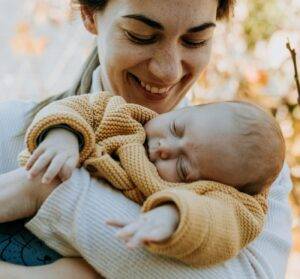
✅ Always check the weather, air quality, and UV index before going out.
✅ Use appropriate clothing, shade, and gear (strollers, carriers, covers).
✅ Protect from sun, heat, cold, bugs, and pollution.
✅ Keep outdoor time short and adapt to your baby’s responses.
✅ Pack essentials—diapers, wipes, extra clothes, water/formula.
✅ Prefer shady, clean, and safe spaces over crowded or polluted areas.
Consult your pediatrician if you have any concerns or if your baby has special health needs.