Most ear piercing infections in children are minor and respond quickly to at-home care — but knowing the difference between normal healing and an actual infection is what prevents a small problem from becoming a serious one. The first 3 days after piercing will always involve some redness and tenderness. What you’re watching for is symptoms that are getting worse, not better, after day 3.
⚠️ Normal Healing vs. Infection — Know the Difference
Normal (first 1–3 days): Mild redness · slight tenderness · clear or white discharge
Infection signs: Redness spreading beyond the earlobe · yellow or green discharge · increasing swelling after day 3 · warmth · fever · earring embedded in skin
If the backing is embedded or you see a fever — call your pediatrician same day.
Need a safer place to get your child’s ears pierced? See our medical ear piercing page in Roswell for booking, Blomdahl system details, and aftercare guidance.
A mild amount of redness or crusting can happen after an ear piercing, but increasing redness, swelling, pain, warmth, or pus may be signs of infection.
The most important question is not just whether the ear looks irritated, but whether symptoms are getting worse, spreading beyond the piercing site, or coming with fever, severe pain, or an embedded earring.
In this guide, you’ll learn how to tell normal healing from infection, which symptoms need closer attention, and when it is time to call your pediatrician.
Ear-piercing infections in children could be very painful and uncomfortable, leading to more stress for you! In this article, we at Omega Pediatrics will guide you in looking at the causes of these, what symptoms and signs to look for, and what to do if your child gets an infection.
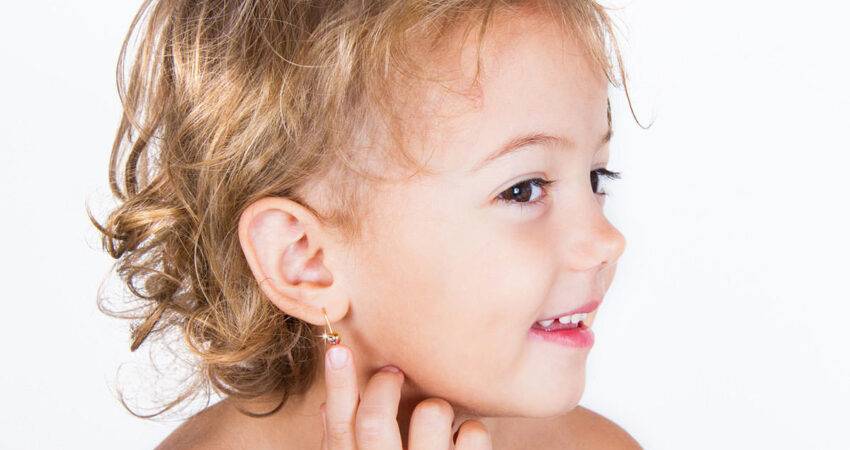
Normal Irritation vs Infection: How to Tell the Difference
- redness spreading beyond the piercing site,
- fever,
- cartilage piercing that looks infected,
- earring backing stuck/embedded,
- child looks very unwell.
What Causes Ear Piercing Infection in Children?
Many elements can be the source of ear-piercing infections in kids. A few of the frequent causes are:
1. Bacterial or Viral Infection
It’s necessary to keep the area around the pierced site free of bacteria, which can enter through the tiny puncture and cause infection. Therefore, it’s highly important to take proper sanitary precautions to avoid complications.
2. Allergic Response
Some children are sensitive to metals used in earrings, such as nickel. When these metals come into contact with your child’s skin, the materials cause severe allergic reactions.
To avoid this, choose hypoallergenic jewelry such as titanium, sterling silver, gold, surgical-grade steel, and medical-grade plastic. Earrings made from these materials will not irritate your child’s skin or cause discomfort or itchiness.
3. Poor Ear Piercing Approach
Piercing guns, commonly used in mall kiosks and jewelry stores, can cause more trauma to the ear than a piercing needle. Other than that, most reusable piercing guns cannot be sterilized well. This can increase the risk of health issues and other complications.
4. Poor Post-Piercing Care
Improperly caring for the piercing site can lead to problems. For instance, touching the pierced skin with unclean hands, using harsh cleaning agents, or removing the earring too soon after the six-week healing period can heighten the risk of issues.
Signs and Symptoms of Ear Piercing Infection in Children
The signs and symptoms of an ear-piercing infection must be understood since the procedure has become increasingly prevalent among children. Learn what to look out for to stay safe and avoid long-term health problems.
This information can assist you in seeking immediate medical attention and preventing the infection from worsening.
1. Swelling and Redness
Typically, an infected ear-piercing area presents inflammation, swelling, and redness. Additionally, discomfort and warmth may be felt in the area. These are all signs of the body’s natural reaction to fight off any potential bacterial or fungal issue.
2. Pus Discharge
A discharge or pus oozing from the piercing site is another common symptom of an ear-piercing infection. This discharge is usually yellow or greenish and has a foul odor, a sign that the body is fighting the infection. Cleanliness and dryness are needed to forestall infections.
3. Burning and Itchy Feel
Itching or burning around the piercing site may occur in some children, indicating an allergic reaction. If your child experiences this, remove their earrings immediately and seek medical attention. This could be an allergic reaction to the earring material or the cleaning solution.
4. Discomfort and Pain
It’s common to experience pain and tenderness near the piercing site due to an infection. Depending on the severity, the discomfort level can range from mild to severe. Any movement or touch of the earring may also cause additional discomfort and pain.
5. Fever
If your child develops a fever, it may indicate that the ear-piercing infection has spread to other parts of his body! Keep track of your child’s body temperature and see a pediatrician immediately if the temperature rises above 100.4°F (38°C).
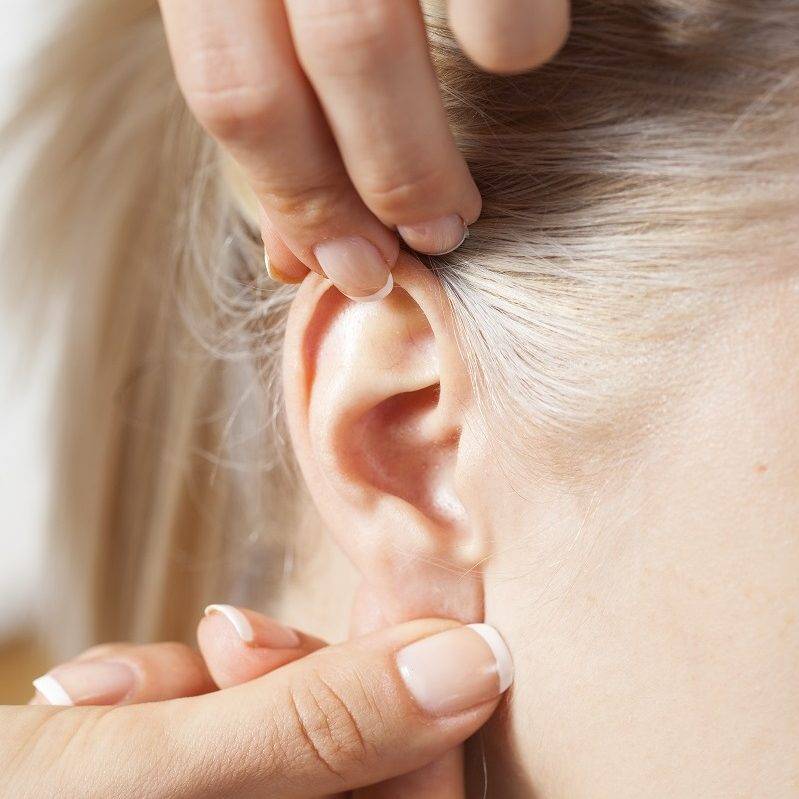
What to Do if Your Child Develops an Ear Piercing Infection
If you suspect your child has an ear-piercing infection, act quickly. Here are some steps to ensure they recover swiftly and safely:
1. Remove the earring.
It is advisable to remove your child’s earring if the earlobe is puffy, red, or sore. This will minimize irritation from an existing infection. Leaving the jewelry on could escalate the problem, so taking it off as soon as possible is better.
2. Clean the piercing site.
Practicing good hygiene for your piercing is a must. Daily cleaning with mild soap and warm water helps reduce the likelihood of infection. Additionally, avoid strong chemicals such as alcohol or hydrogen peroxide to prevent any possible skin irritation.
3. Apply a warm compress.
A warm compress helps reduce pain and inflammation. To treat an infected earlobe, use a clean and warm cloth. After squeezing the extra water, gently press it against the affected area to start recovery.
4. Monitor the severity of the infection.
Monitor your child’s condition for 24 to 48 hours. If they show signs of a worsening infection or run a fever, seek medical help immediately. Your child’s pediatrician may prescribe antibiotics to fight the infection.
Same-day and next-day appointments available.
How to Prevent Ear Piercing Infections in Children
It’s important to be proactive and take appropriate steps to protect your child from possible infections or discomfort from ear piercings. Implementing preventive care ensures your child doesn’t have to suffer the pain of an infected piercing.
Taking preventive measures will go a long way toward keeping your kid’s ears healthy and safe.
1. Choose a Reputable Piercer
Choosing a reputable and professional piercer is one of the most important steps in preventing ear-piercing infections in children. Look for a professionally trained piercer who follows strict hygiene standards.
A reputable piercer should use sterile equipment, wash their hands, and wear gloves before and during the piercing procedure. Additionally, they should provide aftercare instructions to ensure that the child’s ear piercing heals properly.
2. Keep the Piercing Site Clean
To ensure that your child’s earrings and piercing site remain clean and healthy, regularly cleanse them with soap and water or the saline solution recommended by your child’s professional piercer or pediatrician.
When cleaning, use a cotton ball or swab on both sides of the earlobes. Gently rotate or twist the earrings from time to time as well. But always wash your hands before handling it. This prevents the transfer of germs and bacteria.
3. Avoid Touching the Piercing
Cleaning the pierced area is essential, but avoiding any unnecessary contact with it is equally important. Kids get attracted to the earrings and attempt to touch or play with them, leading to bacteria being transferred and causing issues at the piercing site.
Encourage your child not to touch or fiddle with their earrings, and avoid sleeping on the side of the piercing until it has fully healed.
4. Stick To Studs
For children’s ear piercings, jewelry studs are the ideal option. These offer more protection than other types of jewelry during the healing process and are less likely to snag on your child’s clothing or hair. This helps reduce the risk of irritation and injury at the piercing site.
Besides being stylish, stud earrings are also very easy to clean and maintain, thus reducing the probability of infection.
5. Be Aware of Allergies
Parents should be aware of their children’s allergies to the metal components of earrings. Nickel or other allergens can lead to adverse reactions in certain kids. Thus, it’s safer to check for these beforehand so that the piercing won’t cause any adverse allergic reactions.
Your piercer should tell you about the metal composition used in their earrings and assist you in selecting those that have a lesser chance of leading to an allergic reaction.

Alternatives to Ear Piercing for Children
Though ear piercing is often seen as the only choice, other alternatives can satisfy your child if you don’t want to risk ear piercing infections. You can try these options:
- Stick-on earrings are temporary earrings that stick to the earlobes using adhesives. This is a good option if you want to try different earring styles.
- Clip-on earrings are earring clips that attach to the earlobe. This is a good option if you want to wear earrings occasionally.
- Magnetic earrings use magnets to hold the earrings in place on the earlobe. This is a good option if you’re afraid of the pain associated with piercings.
- Tattoos are temporary designs you can apply to the earlobe to look like earrings.
- Titanium earrings are made from non-toxic and hypoallergenic materials. These don’t require piercings and can be worn like regular earrings. A good option for kids who have sensitive skin allergies.
All these options will equally delight you and your little one without any permanent effects.
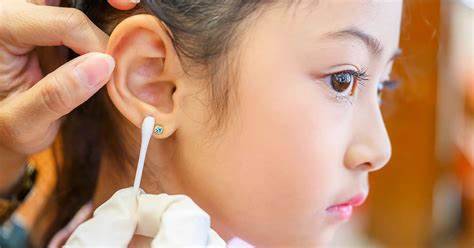
Be Watchful for Signs of Ear Piercing Infection
Parents aim to keep their kids healthy and happily content. Ear piercings can be another delightful milestone for every child. Unfortunately, it comes with associated risks that can’t be discounted. The risk of ear-piercing infections in children occurs due to many factors.
You must talk to your child’s pediatrician if you detect something wrong or if your child has been experiencing worrisome symptoms.
We at Omega Pediatrics recommend that you reach out to your child’s primary healthcare physician for treatment advice. Consulting a healthcare professional will give you peace of mind, knowing your little bundle of joy is in good hands. Read baby ear piercing guide here.
Looking for a pediatrician in Georgia? Omega Pediatrics in Roswell is here to help you and your child battle their ear-piercing infection. We’ll ensure that your child gets the proper care needed to heal.
What to Do if You Can’t Tell the Difference Between Irritation and Infection in an Ear Piercing
If you’re struggling to differentiate between irritation and an infection in your ear piercing, here are the steps you should follow:
Assess the Symptoms:
Irritation: Often manifests as redness, slight swelling, or mild discomfort.
Infection: Look for signs like increased pain, significant swelling, heat, pus, or a fever.
Clean the Area: Gently cleanse the piercing with a saline solution. Avoid using alcohol or hydrogen peroxide, as these can aggravate the area.
Avoid Touching: Try not to touch or twist the earring, as this can introduce bacteria and worsen either condition.
Seek Professional Advice: If symptoms persist or you are unsure, consult a healthcare professional immediately. Reach out to a piercer with a good reputation, or contact your primary care physician.
Use Trusted Resources: Email professional advice services such as the nurse helplines from major pharmacies or medical institutions.
When in doubt, always err on the side of caution and seek professional medical advice to ensure proper care and avoid complications.
How to Differentiate Between an Irritated and an Infected Ear Piercing
Getting a new ear piercing can be exciting, but it’s important to know how to differentiate between normal irritation and a potential infection. Here’s what you need to know to spot the difference
Signs of an Irritated Ear Piercing
When you get a new piercing, your body naturally goes through an inflammatory phase as it starts to heal. This can lead to several common symptoms:
Redness and Swelling: It’s normal to experience some redness and swelling around the piercing.
Pain or Tenderness: Mild pain or tenderness, especially when touching your ear, is typical.
Itching or Burning: These sensations can occur as the wound heals.
Clear-Yellowish Discharge: A clear or slightly yellow discharge that crusts around the piercing is common.
Irritation can often be caused by the body’s reaction to the type of jewelry or aftercare products used. Consider using hypoallergenic and nickel-free jewelry to mitigate these issues.
Signs of an Infected Ear Piercing
An infection is more serious and happens when bacteria infiltrate the piercing site. Look for these signs of an infected piercing:
Spreading Redness and Swelling: Redness and swelling that extends beyond the original piercing area can indicate an infection.
Increased Pain or Tenderness: If the pain intensifies, it could be a warning sign.
Warmness: The area might feel warm to the touch.
Yellow or Green Pus: Pus that is yellow or green and oozes from the site is a clear sign of infection.
Embedded Earring: If the earring starts sinking into the ear tissue, this is a serious sign and needs immediate attention.
When to Seek Medical Attention
Both irritation and infection symptoms can overlap, so monitoring your piercing is crucial. If symptoms persist or worsen, it’s important to consult a healthcare professional for proper advice and treatment.
Stay vigilant and take good care of your new piercing to ensure a smooth and healthy healing process.
What Causes Irritation in a New Ear Piercing?
Irritation in a new ear piercing is a common occurrence, often due to the inflammatory response of the body as it begins to heal the wound. Let’s dive into the specifics of what can cause this discomfort
Physical Trauma and Healing Process
Initially, as your body recognizes the new piercing as a wound, it enters an inflammatory phase. This natural healing process may result in redness, swelling, and tenderness around the piercing site. It’s your body’s way of beginning the repair process, so some level of irritation is quite usual.
Symptoms of Irritation
Some common indicators that your ear piercing is irritated include:
Redness: The area around the piercing turns red.
Swelling: Noticeable puffiness around the piercing site.
Pain: Tenderness or soreness when touching the ear.
Itching or Burning: Sensations of itchiness or a burning feeling.
Discharge: A clear or yellowish fluid that forms a crust around the piercing.
Jewelry Materials and Aftercare Products
Another significant factor contributing to irritation is your body’s reaction to the materials in the jewelry. For example, metals like nickel can trigger allergic reactions, leading to further irritation. Therefore, it’s crucial to choose hypoallergenic and nickel-free options to minimize this risk.
Additionally, the products you use during aftercare can also play a role. Harsh cleansers or alcohol-based solutions may aggravate the skin around the piercing. Stick to gentle, skin-friendly cleaning products to avoid unnecessary irritation.
Best Practices for Minimizing Irritation
To minimize irritation, consider the following practices:
Hypoallergenic Jewelry: Opt for materials such as titanium or surgical steel.
Gentle Cleansers: Use saline solutions or other mild cleaning products suitable for sensitive skin.
Avoid Touching: Try not to touch or twist the piercing unnecessarily, as this can introduce bacteria and cause further irritation.
Follow Professional Advice: Always adhere to the aftercare instructions provided by your piercing professional.
How Long Does It Take for a Piercing to Fully Heal?
Getting a new piercing is an exciting experience, but it’s vital to understand that healing is a process that requires time and care. A typical piercing can take up to one full year to completely heal. During this period, you might notice some irritation or minor discomfort, which is entirely normal.
Here’s a general timeline to give you a better idea:
Initial Healing (0-3 months):
You might experience swelling, redness, and tenderness.
It’s crucial to clean the piercing regularly and avoid touching it with unclean hands.
Mid-Term Healing (3-6 months):
The initial symptoms should start to subside.
Continue with your cleaning routine to prevent infections.
Long-Term Healing (6-12 months):
By this time, most of the irritation should have resolved.
However, the piercing still needs attention and care to fully heal.
Tips for a Smooth Healing Process
Clean Regularly: Use a saline solution or a specialized piercing aftercare product.
Avoid Irritants: Keep away from harsh chemicals, like chlorine, and avoid submerging in pools or hot tubs.
Hands Off: Resist the urge to touch your piercing unnecessarily.
Monitor for Issues: Watch for signs of infection such as excessive redness, swelling, or pus. Consult a professional if these occur.
How Do I Relieve Symptoms of an Irritated Ear Piercing
Dealing with an irritated ear piercing can be uncomfortable, but there are effective ways to alleviate the symptoms and promote healing. Here’s a step-by-step guide:
Warm Compress:
Start by preparing a warm compress. Use a durable, single-use paper towel—something robust like Bounty works well.
Soak the paper towel in water as warm as you can tolerate comfortably.
Wring out the excess water and apply the compress to both the front and back of the irritated piercing.
Hold it in place for about 5-10 minutes. Repeat this process several times a day.
Aftercare Spray:
After using the warm compress, apply an aftercare spray specifically designed for piercings. These sprays typically contain saline or other ingredients that help soothe the skin and reduce inflammation.
Monitor Symptoms:
If the irritation persists or doesn’t show signs of improvement within a few days, it’s essential to seek medical attention. This precaution ensures that any potential infection can be diagnosed and treated promptly.
By following these steps, you should notice a reduction in irritation and a smoother healing process. Consistency is key, so make sure to adhere to this routine diligently.
What remedies are Recommended Aftercare Products for an Irritated Ear Piercing?
When it comes to soothing an irritated ear piercing, selecting the right aftercare products can make all the difference. Here are some top recommendations to ensure your piercing heals swiftly and safely:
Hypochlorous Acid Spray: Hypochlorous acid sprays are highly effective for post-piercing care. These sprays are known for their antibacterial properties and can help speed up the healing process by attracting healthy white blood cells to the area.
Saline Solution: A reliable classic, saline solution can keep the area clean and reduce inflammation. Opt for a pre-made sterile saline solution, or make your own by mixing 1/4 teaspoon of non-iodized sea salt with 8 ounces of distilled water.
Tea Tree Oil: Known for its natural antiseptic qualities, tea tree oil can help fight off bacteria and reduce irritation. Ensure you dilute it with a carrier oil (such as coconut or jojoba oil) to prevent further irritation.
Chamomile Compress: A chamomile tea compress can provide soothing relief. Soak a bag of chamomile tea in warm water, allow it to cool slightly, and then apply it to the irritated piercing for a few minutes.
Steps to Follow:
Clean Twice Daily: Clean your piercing with a saline solution or hypochlorous acid spray at least twice a day. This helps to eliminate bacteria and reduce the risk of infection.
Avoid Touching: Refrain from touching your piercing with unwashed hands to prevent introducing new bacteria to the site.
Use Gentle Products: Stick to gentle, non-irritating products. Harsh chemicals or alcohol-based cleansers can prolong irritation and delay healing.
Protect While Sleeping: Be cautious while sleeping; avoid sleeping on the pierced ear and use a clean pillowcase to reduce friction and bacteria exposure.
Want Blomdahl medical ear piercing in Roswell?
Visit the main booking page for sterile medical ear piercing, aftercare information, and scheduling.