Strep throat in children usually causes a sudden sore throat, fever, pain with swallowing, and swollen glands in the neck. If your child may have strep, they should be tested before starting antibiotics, since many sore throats are caused by viruses and do not need antibiotic treatment.
It can be hard to tell whether a sore throat is “just a virus” or something that needs medical care. This guide explains the common signs of strep throat in kids, when to call your pediatrician, how testing works, and what you can do at home to help your child feel better.
What Is Strep Throat?
Strep throat is an infection of the throat and tonsils caused by Group A Streptococcus bacteria. It is most common in school-age children, especially ages 5 to 15.
Unlike viral sore throats, confirmed strep throat is treated with antibiotics. Treatment can help shorten symptoms a little, reduce spread to others, and prevent uncommon complications such as rheumatic fever.
How Strep Throat Spreads
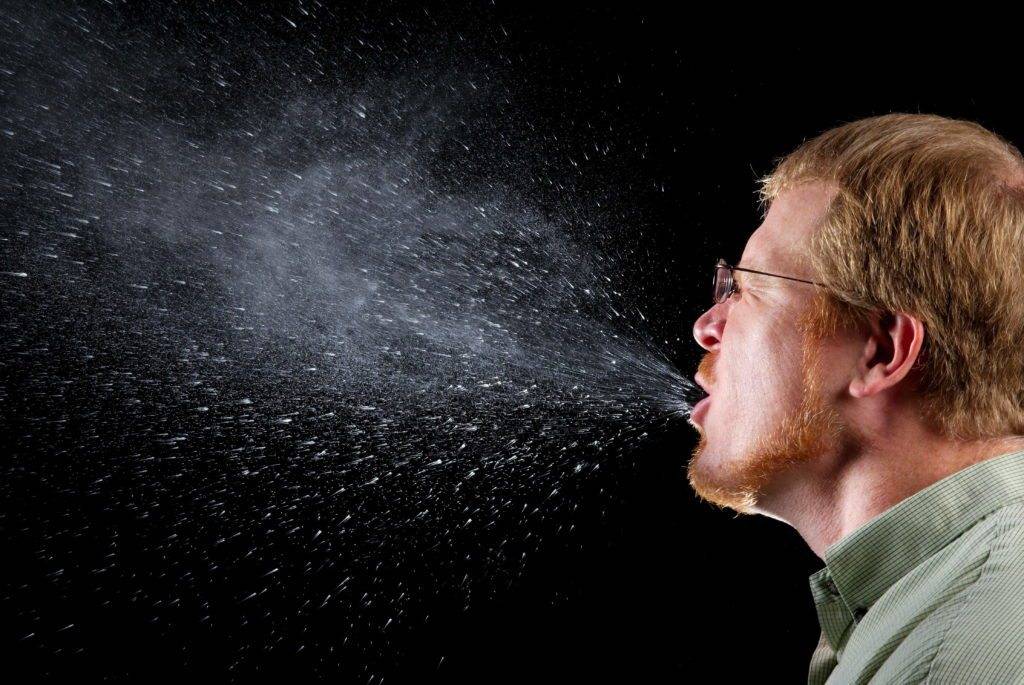
Group A strep spreads through respiratory droplets and close contact with saliva or nasal secretions. Children may be exposed when someone with strep coughs, sneezes, talks closely, or shares items that have been in the mouth.
Common ways children catch or spread strep
- Sharing cups, water bottles, utensils, or food
- Close contact with an infected child at school, daycare, activities, or home
- Touching used tissues or unwashed hands and then touching the mouth or nose
- Not washing hands after coughing, sneezing, or wiping the nose
Children are usually much less contagious after about 24 hours of the right antibiotic. They should also be fever-free and feeling well enough before returning to school or daycare.
Common Strep Throat Symptoms in Children
Strep throat symptoms often start quickly. A child may seem fine one day and wake up the next with a very sore throat and fever.
Common symptoms of strep throat
- Sudden sore throat
- Pain when swallowing
- Fever
- Red, swollen tonsils
- White patches or streaks on the tonsils
- Tiny red spots on the roof of the mouth
- Swollen, tender lymph nodes in the neck
- Headache
- Stomach pain, nausea, or vomiting
- Loss of appetite or irritability, especially in younger children
Some children also develop a fine, rough-feeling rash with strep throat. This is called scarlet fever. It is caused by the same bacteria and should be evaluated by a pediatric clinician.
Symptoms that are more common with a viral sore throat
Cough, runny nose, hoarse voice, mouth sores, and pink eye are more often seen with viral infections than with strep throat. Still, symptoms can overlap, so testing is the best way to know for sure.
When to Call the Pediatrician
Call your pediatrician if your child has a sore throat with fever, swollen neck glands, or trouble swallowing, especially if there is no cough or runny nose. You should also seek care if your child was exposed to someone with strep and then develops symptoms.
Seek prompt medical care if your child has
- Trouble breathing
- Drooling or trouble swallowing saliva
- Signs of dehydration, such as very little urine, dry mouth, or no tears when crying
- Severe neck swelling or a stiff neck
- A rash with fever or sore throat
- Symptoms that are getting worse instead of better
If your child has possible strep throat, Omega Pediatrics offers sick visits for families in Roswell, Marietta, and Riverdale, GA. Our pediatric team can examine your child, perform testing when needed, and recommend the right treatment.
Same-day and next-day appointments available.
How Strep Throat Is Diagnosed
Strep throat cannot be diagnosed by looking at the throat alone. Even a very red throat or white patches on the tonsils do not always mean strep.
During the visit, the Omega Pediatrics team will ask about symptoms, fever, recent exposures, and your child’s medical history. A throat swab is used to check for Group A strep.
Testing may include
- Rapid strep test: A quick throat swab that can give results in minutes
- Throat culture: A backup test that may be sent if the rapid test is negative but strep is still strongly suspected
The swab can be uncomfortable for a few seconds, but it is quick and safe. Testing helps make sure children who need antibiotics get them, while children with viral infections avoid unnecessary medicine.
Strep Throat Treatment for Kids
Children with a positive strep test are usually treated with an antibiotic. Penicillin or amoxicillin is often used unless a child has an allergy or another reason to use a different medicine.
Antibiotics can help
- Shorten symptoms modestly
- Reduce spread to others
- Lower the risk of complications
Most children start feeling better within 1 to 2 days after starting antibiotics. It is important to give every dose exactly as prescribed and finish the full course, even if your child feels better sooner.
Home Care for Strep Throat
Along with antibiotics, supportive care can help your child stay comfortable while they recover.
Ways to help your child feel better at home
- Offer plenty of fluids
- Choose soft foods such as soup, yogurt, applesauce, smoothies, or mashed potatoes
- Avoid foods that sting or scratch the throat if they make swallowing worse
- Use acetaminophen or ibuprofen for pain or fever if appropriate for your child
- Never give aspirin to children or teens
- For older children, warm saltwater gargles may help
Your child can usually return to school or daycare after at least 24 hours of antibiotics, once they are fever-free without fever-reducing medicine and feeling well enough to participate.
Possible Complications of Untreated Strep
Most children recover well when strep throat is diagnosed and treated. Problems are uncommon, but untreated strep can sometimes lead to complications.
Possible complications include
- Ear or sinus infections
- An abscess near the tonsils
- Scarlet fever
- Rheumatic fever
- Kidney inflammation after strep infection
These complications are one reason it is important to have suspected strep evaluated rather than guessing at home.
How to Help Prevent Strep Throat
You cannot prevent every case of strep, but a few habits can lower the risk of spreading it in your home.
Prevention tips for families
- Encourage frequent handwashing with soap and water
- Teach children to cover coughs and sneezes
- Do not share cups, utensils, straws, or water bottles
- Clean commonly touched surfaces when someone is sick
- Keep your child home until they are no longer contagious
If your child has a sore throat and fever, or you are worried about possible strep exposure, schedule a sick visit with Omega Pediatrics. Our pediatric team is here to help families in Roswell, Marietta, and Riverdale get answers and treatment quickly.