
Swimmer’s ear is an outer ear canal infection that often causes pain, itching, tenderness, and sometimes drainage, especially after swimming or trapped moisture. The good news is that it is usually very treatable once it is recognized.
This guide explains the common symptoms of swimmer’s ear, what treatment usually helps, and how to lower the chance of it happening again.
Quick Answer
- Swimmer’s ear affects the outer ear canal
- Pain often gets worse when the ear is touched
- Treatment depends on how irritated or infected the canal looks
- Call sooner if: pain is severe, drainage appears, or hearing seems reduced
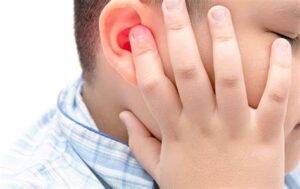
Introduction to the Enemy: What is Otitis Externa?
Causes: The Roots of the Problem
- Water Retention: Often seen in frequent swimmers or after prolonged water exposure.
- Foreign Bodies: Insertion of objects like cotton swabs.
- Chemical Irritants: Excessive use of ear drops or exposure to harsh cleaning agents.
- Skin Conditions: Eczema or psoriasis affecting the ear canal.
Unveiling the Symptoms: Recognizing the Signs
- Itching: Initial and most common symptom.
- Redness: Inside the ear canal or the outer ear.
- Pain: Worsening upon touch or movement.
- Discharge: Fluid or pus leaking from the ear.
- Hearing Loss: Temporary, due to blockage or inflammation.
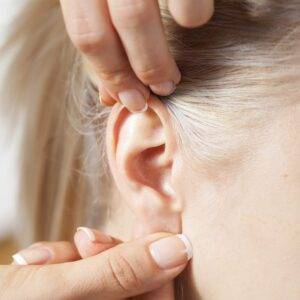
Diagnosing Otitis Externa: The Battle Plan
- Clinical Examination: Involves inspecting the ear canal and assessing symptoms.
- Swab Test: To identify specific bacteria or fungi.
- Hearing Test: In rare cases, to assess the extent of hearing loss.
A Brilliant Strategy: Treatment Options for Otitis Externa
- Antibiotic Ear Drops: Mainstay for bacterial infections. These topical ear drops are typically prescribed to fight the infection, reduce itching, and minimize swelling.
- Corticosteroid Drops: To reduce inflammation. Your child’s healthcare provider may recommend these to help with swelling and discomfort.
- Analgesics: For pain management. Over-the-counter pain relievers such as Tylenol® or ibuprofen can be effective in alleviating pain.
- Cleaning: Gentle cleaning of the ear canal by a healthcare provider. This ensures that the ear drops can work more effectively.
Additional Care Steps
- Suctioning Drainage: You may be taught how to suction drainage from your child’s ear before applying the ear drops. This step helps to ensure the medication reaches the affected area.
- Ear Wick: In some cases, an ear wick (a small sponge that stays in the ear and holds the ear drops against the skin) may be necessary. Your doctor or nurse will explain how to use this if it’s required.
By combining these approaches, you can effectively manage and treat swimmer’s ear, ensuring your child experiences relief and recovery.
What to Do If Pain from Swimmer’s Ear (Otitis Externa) Isn’t Relieved by Treatment
If your child is suffering from swimmer’s ear (otitis externa) and the pain persists despite using treatments like eardrops or applying heat, it’s important to take further steps. Here are specific actions to consider:
- Monitor Pain Levels:
- If the pain lasts more than two days without relief, it’s time to consult with a healthcare professional.
- Look for Discharge or Drainage:
- Any discharge or drainage from the ear signals that you need to contact your child’s doctor immediately.
- Check for Redness or Swelling:
- Observe the outer ear and the area behind the earlobe. Redness or swelling in these areas requires medical attention.
- Measure Temperature:
- A fever can accompany ear infections. If your child’s temperature exceeds 101°F orally or 102°F measured under the arm, consult with a healthcare provider.
- Medication Issues:
- If your child experiences any problems while taking prescribed medication, notify your doctor right away.
Always reach out to your child’s doctor or nurse with any questions or concerns you may have. They can provide tailored advice and ensure your child receives the appropriate care.
When Can a Child Resume Swimming After Having Swimmer’s Ear?
Swimmer’s ear – otitis externa- can be quite uncomfortable for your child, and it’s crucial to ensure proper healing before they dive back into the water.
Key Points to Consider:
- Pain-Free Ears:
- Your child should not resume swimming until their ear is completely free of pain.
- Pain is often the first and most obvious indicator that the ear is still sensitive or infected.
- Doctor’s Approval:
- Before your child gets back into the pool, it’s essential to consult with their doctor.
- A healthcare professional can provide a thorough examination to confirm that the infection has fully resolved.
- Follow-up Appointments:
- Regular follow-up with a doctor helps ensure that the infection has cleared and there are no lingering effects.
- A physician might recommend additional precautions or treatments that could impact when your child can swim again.
Why These Precautions Matter:
Ignoring these guidelines could lead to a relapse or worsening of the infection. Water can introduce new bacteria to a healing ear, potentially causing further complications.
Additional Tips:
- Ear Protection: Consider investing in earplugs or a swim cap to protect the ears when your child returns to swimming.
- Dry Ears Thoroughly: Ensure your child’s ears are thoroughly dried after exposure to water to prevent any moisture buildup that can lead to infections.
By taking these steps, you help ensure that your child can enjoy swimming without risking their ear health.
Who to Contact for Questions About Swimmer’s Ear Treatment
If you’re uncertain about how to treat swimmer’s ear, your best resource is your child’s healthcare provider. This could be their pediatrician or a nurse specializing in pediatric care.
Here’s Who You Can Reach Out To:
- Pediatrician: Your child’s main doctor familiar with their medical history.
- Nurse: Often provides detailed guidance and can handle many questions about ear infections.
In more urgent or specific cases, consulting an ENT specialist (Ear, Nose, and Throat doctor) can provide additional expertise.
Feel free to reach out as soon as any questions or concerns arise to ensure your child gets the best care possible.
Defense Tactics: Preventive Measures for Otitis Externa
- Ear Plugs: Use during swimming.
- Drying Ears: Thoroughly dry ears after water exposure.
- Avoid Irritants: Limit the use of earphones, cotton swabs, and harsh ear cleaners.
To further protect against swimmer’s ear, follow these additional steps:
- Thorough Drying: After swimming or showering, dry your child’s ears completely. Consider using a hair dryer on the coolest setting, held four to six inches from the ear, to ensure all moisture is eliminated.
- Preventative Mixture: Use a mixture of half rubbing alcohol and half white vinegar to dry the ears after swimming. Apply three to four drops in each ear. Do not use this mixture if your child has ear tubes or a perforated eardrum.
- Shower Precautions: During showers, keep water out of your child’s ears by using a cotton ball coated in ointment placed in the outer ear.
- Activity Restrictions: Avoid swimming until your child’s ear is completely pain-free. Always consult with a healthcare provider before resuming swimming activities.
- Safety Measures: Never insert objects into the ear that can cause injury or scratches to the ear canal.
- Consultation: Ask your child’s healthcare provider about wearing earplugs specifically designed for swimming for added protection.
By following these comprehensive measures, you can help prevent swimmer’s ear and keep your child’s ears healthy and dry.
Same-day and next-day appointments available.

Conclusion: The Path to Victory over Otitis Externa
Otitis externa may seem like a formidable opponent, but armed with the right knowledge and treatment options, victory is more than achievable. Parents should be vigilant about recognizing the early signs of the condition and consult a healthcare provider for accurate diagnosis and effective treatment.
When to Call the Doctor:
- Persistent Pain: If your child experiences pain that is not eased by eardrops or heat, or if the pain lasts more than 2 days.
- Discharge or Drainage: Any discharge or drainage from the ear should be a red flag.
- Redness or Swelling: Look out for redness or swelling of the outer ear or behind the earlobe.
- Fever: A temperature over 101°F by mouth or 102°F under the arm is a sign to consult a doctor.
- Medication Issues: Any problems with taking the prescribed medicine should be promptly addressed with a healthcare provider.
If you have any questions, be sure to ask your child’s doctor or nurse. Recognizing these symptoms early and seeking timely medical advice can make all the difference in ensuring a swift recovery for your child.
When to Call the Doctor:
- Persistent Pain: If your child experiences pain that is not eased by eardrops or heat, or if the pain lasts more than 2 days.
- Discharge or Drainage: Any discharge or drainage from the ear should be a red flag.
- Redness or Swelling: Look out for redness or swelling of the outer ear or behind the earlobe.
- Fever: A temperature over 101°F by mouth or 102°F under the arm is a sign to consult a doctor.
- Medication Issues: Any problems with taking the prescribed medicine should be promptly addressed with a healthcare provider.
If you have any questions, be sure to ask your child’s doctor or nurse. Recognizing these symptoms early and seeking timely medical advice can make all the difference in ensuring a swift recovery for your child.
References
- American Academy of Otolaryngology – Head and Neck Surgery
- Pediatrics Journal – Otitis Externa
- CDC – Swimmer’s Ear Prevention
Disclaimer: The information provided here is purely educational and should not replace professional medical advice.
How Should Antibiotic Ear Drops Be Used for Swimmer’s Ear?
When your child has swimmer’s ear, proper application of antibiotic ear drops is crucial to ensure effective treatment. Here’s a step-by-step guide:u003cbru003eu003cstrongu003eExamine and Clean:u003c/strongu003e The doctor will first examine your child’s ears. Cleaning the ear might be necessary to remove any debris and ensure the medication can reach the infected area properly.u003cbru003eu003cstrongu003eAdministering the Drops:u003c/strongu003eu003cbru003eu003cstrongu003ePrepare the Drops:u003c/strongu003e Shake the bottle gently if required. Warm the bottle in your hands for a few minutes to avoid dizziness from cold drops.u003cbru003eu003cstrongu003ePositioning:u003c/strongu003e Have your child lie on their side with the affected ear facing up, or tilt their head to the side.u003cbru003eu003cstrongu003eApplying Drops:u003c/strongu003e Carefully place the prescribed number of drops into the ear. Avoid touching the dropper to the ear to maintain cleanliness.u003cbru003eu003cstrongu003eAllow the Medication to Absorb:u003c/strongu003e Let your child remain in the same position for a few minutes to ensure the drops penetrate deeply.u003cbru003eu003cstrongu003eSuction Drainage:u003c/strongu003eu003cbru003eu003cstrongu003eWhen Necessary:u003c/strongu003e You might be instructed on how to gently suction excess fluid from the ear before applying the drops.u003cbru003eu003cstrongu003eTechnique:u003c/strongu003e Use a clean, soft bulb syringe or a similar device to perform this step, ensuring minimal discomfort.u003cbru003eu003cstrongu003eUsing an Ear Wick:u003c/strongu003eu003cbru003eu003cstrongu003eRole of the Wick:u003c/strongu003e An ear wick, a small sponge, might be placed in the ear to help hold the medicine against the infected skin.u003cbru003eu003cstrongu003eReplacement and Care:u003c/strongu003e The doctor or nurse will give specific instructions on when and how to replace or care for the wick.u003cbru003eAdditional Tips:u003cbru003eu003cstrongu003eConsistency:u003c/strongu003e Administer the drops at the same time each day to maintain the medication’s efficacy.u003cbru003eu003cstrongu003eFollow-Up:u003c/strongu003e Make sure to schedule and attend follow-up appointments to monitor the healing process.u003cbru003eProper usage of antibiotic ear drops will help alleviate the symptoms of swimmer’s ear, such as itching and swelling, and promote faster recovery. Always follow the healthcare provider’s advice and instructions carefully.
Signs of Problems with Swimmer’s Ear Medication
When your child is dealing with swimmer’s ear, it’s crucial to monitor their response to the medicine provided. Here are some signs that may indicate a problem:u003cbru003eu003cstrongu003ePersistent Painu003c/strongu003e: If your child experiences pain that isn’t relieved by eardrops or heat, or if the discomfort lasts beyond two days, this may be a cause for concern.u003cbru003eu003cstrongu003eEar Dischargeu003c/strongu003e: Any drainage or unusual discharge from the ear could indicate an adverse reaction to the medication.u003cbru003eu003cstrongu003eSwelling and Rednessu003c/strongu003e: Noticeable swelling or redness on the outer ear or behind the earlobe could suggest an issue with the treatment.u003cbru003eu003cstrongu003eHigh Feveru003c/strongu003e: A temperature exceeding 101°F when measured orally (or 102°F if taken under the arm) can be a warning sign.u003cbru003eu003cstrongu003eMedication Issuesu003c/strongu003e: If your child encounters any difficulties while taking the prescribed medication, it’s essential to consult their doctor immediately.u003cbru003eMonitoring these signs can help ensure your child’s treatment for swimmer’s ear is effective and safe.
What should be done if I notice ear drainage?
If your child experiences discharge or drainage from their ear, it’s important to take immediate action. Here’s what you should do:u003cbru003eu003cstrongu003eContact Your u003cmarku003ePediatricianu003c/marku003eu003c/strongu003e – Schedule an appointment with your child’s doctor to evaluate the condition. Ear discharge can be a sign of an infection or other underlying issue.u003cbru003eu003cstrongu003eAvoid Inserting Objectsu003c/strongu003e – Do not attempt to clean the ear with cotton swabs or insert any objects into the ear canal. This can worsen the situation or cause injury.u003cbru003eu003cstrongu003eMonitor Symptomsu003c/strongu003e – Keep an eye on any additional symptoms such as fever, pain, or changes in your child’s behavior and report these to the doctor.u003cbru003eu003cstrongu003eAdminister Pain Relief if Necessaryu003c/strongu003e – Over-the-counter pain relievers such as acetaminophen or ibuprofen can help manage discomfort, but always consult your u003cmarku003epediatricianu003c/marku003e for dosage recommendations.u003cbru003eu003cstrongu003eFollow Medical Adviceu003c/strongu003e – Follow through with any treatments prescribed by the doctor, whether it’s medication, ear drops, or other interventions.u003cbru003eTaking these steps can help ensure that your child gets the appropriate care and relief from ear discharge or drainage.
How sholuld eardrops be administered after swimming?
Ear health is crucial, especially after swimming, to prevent infections such as Otitis Externa. Here’s a step-by-step guide on how to properly use ear drops to keep ears dry and healthy:u003cbru003eu003cstrongu003ePrepare the Mixtureu003c/strongu003e:u003cbru003eMix equal parts of rubbing alcohol and white vinegar. This combination helps to evaporate moisture and maintain a balanced pH in the ear.u003cbru003eu003cstrongu003eAdminister the Dropsu003c/strongu003e:u003cbru003eTilt your child’s head to the side so that one ear faces upward.u003cbru003eCarefully place three to four drops of the mixture into the ear.u003cbru003eu003cstrongu003eAllow the Mixture to Worku003c/strongu003e:u003cbru003eKeep the head tilted for a few minutes to ensure the mixture reaches deep into the ear canal.u003cbru003eu003cstrongu003eDrain the Excessu003c/strongu003e:u003cbru003eReturn the head to its normal position and let any excess liquid drain out naturally.u003cbru003eYou can gently dab the outer ear with a clean cloth to remove any remaining moisture.u003cbru003eu003cstrongu003eRepeat for the Other Earu003c/strongu003e:u003cbru003ePerform the same steps for the other ear to ensure both ears are treated.u003cbru003eBy incorporating this routine after swimming, you can significantly reduce the risk of ear infections and keep your child’s ears healthy and dry.
What activities should be avoided when treating an active swimmer’s ear?
When your child is dealing with swimmer’s ear, it’s crucial to follow specific guidelines to ensure a smooth and quick recovery. Here are the key activities to avoid:u003cbru003e1. Swimming and Water Exposureu003cbru003eu003cstrongu003eNo Swimming:u003c/strongu003e Keep your child out of the pool, lake, or any other body of water until their ear is completely pain-free. This will prevent irritation and further infection.u003cbru003eu003cstrongu003eShowering Precautions:u003c/strongu003e During showers, make sure water stays out of the affected ear. A helpful trick is to use a cotton ball coated in petroleum jelly placed gently in the outer ear.u003cbru003e2. Ear Protection Measuresu003cbru003eu003cstrongu003eAvoid Inserts:u003c/strongu003e Ensure your child doesn’t insert anything into the ear canal, such as cotton swabs or fingers, to prevent scratching or further injury.u003cbru003eu003cstrongu003eUse of Earplugs:u003c/strongu003e Check with your healthcare provider if u003ca href=u0022https://www.nationwidechildrens.org/conditions/otitis-externa-swimmers-earu0022 target=u0022_blanku0022 rel=u0022noreferrer noopener nofollowu0022u003ewearing earplugs is advisableu003c/au003e, especially for future swimming sessions.u003cbru003e3. Keeping Ears Dryu003cbru003eu003cstrongu003eNo Moisture:u003c/strongu003e Aside from avoiding swimming, keep the ear dry at all times. Be cautious during hair washing activities to ensure no water enters the ear.u003cbru003eBy carefully following these guidelines, you can help your child recover swiftly from swimmer’s ear without complications.
How do we Address Redness or Swelling of the Outer Ear
Redness or swelling of the outer ear can be concerning. It’s important to take the following steps if you notice these symptoms:u003cbru003eu003cstrongu003eMonitor the Symptomsu003c/strongu003eu003cbru003eKeep an eye on the redness or swelling. Pay attention to any changes over the next few hours or days. Note if the symptoms are worsening or if new symptoms, like pain or fever, are developing.u003cbru003eu003cstrongu003eContact a Healthcare Provideru003c/strongu003eu003cbru003eReach out to your child’s doctor or a healthcare professional if the redness or swelling persists or worsens. This is particularly crucial if the area appears painful, warm to the touch, or if your child is experiencing other symptoms like fever.u003cbru003eu003cstrongu003eAvoid Irritantsu003c/strongu003eu003cbru003eSteer clear of potential irritants, such as certain soaps, shampoos, or jewelry, that might exacerbate the redness or cause allergic reactions.u003cbru003eu003cstrongu003eFollow Medical Adviceu003c/strongu003eu003cbru003eUpon consulting with a healthcare provider, follow their recommendations, which may include over-the-counter anti-inflammatory medications or prescription treatments.u003cbru003eu003cstrongu003eMaintain Ear Hygieneu003c/strongu003eu003cbru003eKeep the ear clean and dry. Proper hygiene can prevent infections that might cause or worsen swelling.u003cbru003eWarning Signs to Watch Foru003cbru003eu003cstrongu003eIncreased Painu003c/strongu003eu003cbru003eWatch for signs of increased pain in the ear area.u003cbru003eu003cstrongu003eDischargeu003c/strongu003eu003cbru003eLook out for any discharge coming from the ear.u003cbru003eu003cstrongu003eFeveru003c/strongu003eu003cbru003eBe alert for any signs of fever, indicating a possible infection.u003cbru003eBy taking these steps, you can help ensure the redness or swelling is addressed promptly and effectively.