
The Gentle Help Your Baby Needs
 Constipation in newborns can feel worrisome for parents, especially when your tiny one seems uncomfortable, fussy, or in pain. Every parent wants to see their baby happy, cozy, and thriving, so when something feels “off,” it can be stressful. The good news?
Most of the time, constipation in newborns is temporary and can be eased with gentle, natural care right at home. Your baby’s digestive system is still developing, which means it sometimes needs a little extra support.
Simple remedies—like a soothing tummy massage, a warm bath, or gentle leg exercises—can go a long way in helping your little one find relief. These home remedies not only support healthy digestion but also give you an opportunity to bond with your baby through touch, warmth, and calm reassurance.
This blog will explore the best home remedies for newborn constipation, focusing on safe, effective, and parent-friendly solutions. You’ll learn how to use everyday techniques like massage, hydration, and movement to comfort your baby.
We’ll also guide you on when it’s time to seek medical advice, so you can be confident that you’re doing right for your child’s health. Most importantly, you’ll discover that you are not alone—many parents go through this, and with the right knowledge and tools, you can help your baby feel better, naturally and lovingly.
1. Recognize the Signs of Newborn Constipation
Understanding what constipation looks like helps you act early. If you see these signs, you can begin gentle remedies at home—but always check with your pediatrician if you’re worried.
- Hard or dry stools that are like little pebbles
- Straining or crying when trying to poop
- Fussy or uncomfortable around feeding or tummy time
- A bloated or firm belly when you gently touch it
2. Stay Calm—Your Care Matters
It’s easy to feel anxious when your baby is uncomfortable. But staying calm and patient is powerful. It helps your baby relax, too. Take slow, deep breaths and remind yourself: most newborn constipation is temporary and treatable at home.
3. Gentle Tummy Massage (“I Love U” Technique)
Tummy massage is a sweet, soothing way to help your baby. Here are the steps below. This path follows the natural curve of your baby’s intestines and can help stool move through.
- Lay your baby on their back.
- Warm your hands—rubbing them briefly together helps.
- Trace a big I, then an upside-down L, and finish with an upside-down U—that’s the “I Love U” path.
- Move gently and stop if your baby seems upset.
4. Bicycle Leg Movements

This movement is simple, comforting, and effective. These gentle exercises help relieve gas and encourage bowel movements. Here’s how to do it:
- Lay your baby on a cozy surface.
- Gently hold their legs and move in a bicycle-like motion—one knee toward the tummy, then the other.
- Repeat for a few minutes, especially after feeding
5. Warm Bath for Tummy Relaxation
A warm bath is like a hug for your baby’s tummy muscles. This helps your baby’s belly relax and promotes bowel movement. Here are a few tips:
- Use warm—not hot—water. Test it on your wrist first.
- Keep the bath calm—low lights, soft sounds, gentle splashes.
- After the bath, dry gently and consider doing a light tummy massage.
6. Hydration is Key
Newborns get hydration through milk, but sometimes extra support helps.
- Breastfed babies: Nurse often—8 to 12 times every 24 hours—as breast milk hydrates and nourishes.
- Formula-fed babies: Mix the formula exactly as the instructions say—if it’s too thick, it can lead to dehydration and constipation.
Always check with your pediatrician before offering extra water to very young babies. For older infants (over 1 month), they may recommend small amounts of water or diluted juice like prune or pear juice—but only with medical advice.
7. Use Safe, Gentle Fruit Juice (if approved)
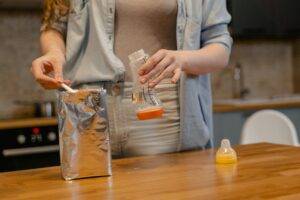 For babies older than 1 month, small amounts of certain juices can help soften stool.
- Apple or pear juice contains sorbitol, which draws water into the intestines and helps ease stool.
- Prune juice is another natural aid—but only after 3 months of age and under a doctor’s guidance.
- Keep the amount small (about 1–2 ounces) and don’t overuse.
8. Introduce High-Fiber Foods (if on solids)
If your baby has started solids, fiber is your friend. Good options include pureed prunes, pears, peas, or whole-grain oatmeal. But remember—solid foods usually come after 4–6 months. Always talk to your pediatrician before starting solids.
9. Probiotics—Use With Pediatrician’s Blessing
Some sources suggest probiotics might help, but evidence is still limited. At Omegapediatrics, they note that probiotics can be helpful—but always with pediatric guidance. Your doctor may suggest probiotic drops to support gut health. Always follow their instructions carefully.
Same-day and next-day appointments available.
10. Optimize Feeding Patterns
How you feed can make a difference.
- Try smaller, more frequent feedings—this can ease digestion.
- Always burp your baby during and after feeding to release trapped air that can cause discomfort or gas.
11. Avoid Frequent Suppositories or Temperatures
Some think using a rectal thermometer or suppositories helps—but overusing these can backfire. Instead, rely on soft, natural remedies first. If a doctor recommends glycerin suppositories for occasional use, follow their instructions—not as a routine.
12. Keep a Routine and Be Patient
Constipation solutions usually take a little time to work. Unlike medicines that act quickly, gentle home remedies—like tummy massage, bicycle legs, or warm baths—help gradually by supporting your baby’s natural digestion. This means it’s important to stay patient and give your baby’s body time to adjust.
One of the most helpful things you can do is build a soothing daily routine. Babies thrive on consistency. When their days include familiar patterns, they feel safe and relaxed. That calmness can reduce fussiness and even make bowel movements easier. Here are some simple ways to create a comforting rhythm:
- Warm bath before bedtime—Warm water relaxes your baby’s muscles, including the tummy. Making this part of the evening routine can encourage regular bowel movements and prepare your little one for sleep.
- Gentle massage and bicycle legs before a nap—A few minutes of tummy massage or leg exercises during the day can ease gas and help stool move through more smoothly.
- Calm feed and cozy cuddles before sleep—A quiet, unrushed feeding followed by snuggles helps your baby digest comfortably and end the day feeling secure.
As you repeat these steps day after day, your baby begins to recognize the signals. Over time, this consistency can help regulate digestion and support a natural poop pattern. Most importantly, your calm presence is part of the remedy.
Babies can sense when parents feel stressed, and they also feel your reassurance when you are steady and patient. Even if constipation takes a few days to improve, your gentle care gives your baby the comfort and security they need.
Signs You Need to Call the Doctor
Most constipation in newborns is harmless and temporary, and the gentle home remedies discussed often bring relief. Still, there are moments when it’s best to seek medical advice to make sure nothing more serious is going on.
Trust your instincts—if something doesn’t feel right, reaching out to your pediatrician is always the safe choice. Here are some red flags:
- No stool for more than 3 days, and your baby is still showing signs of constipation. While some breastfed babies may naturally go a few days without pooping, persistent constipation with discomfort is worth a check-in.
- Blood in the stool or very hard, pellet-like stools that may cause small tears around the anus. These can be painful for your little one and may need professional treatment.
- Severe discomfort or unusual crying that doesn’t ease with soothing, massage, or feeding. Babies often communicate pain through fussiness, so a sudden change in their behavior can be a sign.
- A firm, bloated belly that feels unusually hard when you gently press. This can sometimes mean the stool is backed up or gas is trapped.
- Vomiting or fever, especially if lasting more than a day. These symptoms, in addition to constipation, may signal an infection or underlying condition that needs medical care.
Most serious issues, such as intestinal blockages, are rare, but only a pediatrician can rule them out. That’s why it’s important to call if you notice these symptoms.
👉 Bottom line: If you’re ever unsure, it’s better to ask your pediatrician and get peace of mind. You are never bothering them—your questions show how much you care about your baby’s health and comfort.
Gentle Care, Big Relief
 Constipation in newborns is a challenge that many parents face, and the good news is that it’s common and treatable with a little extra care and patience. By using simple, natural remedies, you give your baby gentle support when they need it most.
These home remedies may seem small, but they make a powerful difference in how comfortable and relaxed your little one feels. Every baby is unique. What works quickly for one may take more time for another. Staying consistent, calm, and patient allows your baby’s body to adjust and find its natural rhythm.
Along the way, your loving presence offers the greatest comfort of all. You don’t have to navigate these challenges alone—support is available whenever you need it. Above all, know that your gentle, attentive care makes a world of difference. With your patience and love, your newborn can move past constipation.
💡 Next Step for Parents: For more trusted guidance on helping your baby feel their best, check out these resources from Omega Pediatrics. Their expert articles—Everything You Need to Know About Childhood Constipation and How to Manage It Effectively and The Surprising Number of Children with Acid Reflux and How to Manage it Effectively—offer safe, doctor-approved tips to keep your little one healthy and comfortable past constipation.
Your baby depends on you, and with the right knowledge and support, you’ve got everything it takes to guide them through this stage with love and confidence. 🌸