
As parents, we all want to see our children thrive, smile, and grow into their best selves. But sometimes, we notice little things that don’t feel quite right—changes in mood, behavior, or social skills that raise questions. These early signs can be the first clues of underlying behavioral health issues.
Recognizing these signals early can make all the difference in helping your child build resilience, confidence, and happiness. This guide will walk through the top early warning signs, what they might mean, and what steps you can take to support your child.
Why Paying Attention to Behavioral Health Matters
Children go through ups and downs—that’s a normal part of growing up. But when certain behaviors stick around for weeks or start disrupting daily life, it could be a sign of something deeper. Behavioral health refers to how thoughts, feelings, and actions affect well-being.
Issues in behavioral health can range from anxiety and depression to ADHD (attention deficit hyperactivity disorder) or autism spectrum disorders. The earlier parents recognize warning signs, the sooner children can get help.
Early intervention not only makes treatment more effective but also gives kids the tools they need to succeed at home, in school, and with friends.
👉 For a deeper look at how behavioral health ties into overall child wellness, check out Omega Pediatrics’ The Essential Guide to Well-Child Care Visits.
1. Sudden Mood Swings That Seem Out of Place

All kids experience emotions, but extreme ups and downs that don’t match the situation can be a red flag. If your child goes from cheerful to furious within minutes—or becomes tearful over small frustrations—it might be more than just typical development.
Why it matters: Persistent mood swings may point to mood disorders such as anxiety or depression. They can also signal difficulty managing stress or underlying trauma.
What to do: Start by keeping a simple journal of when the mood swings happen and what triggers them. Share this information with your child’s pediatrician.
 2. Withdrawal from Friends and Favorite Activities
 2. Withdrawal from Friends and Favorite Activities
If your child suddenly loses interest in activities they used to love—like sports, art, or playdates—it could signal trouble. Social withdrawal often shows up before parents notice other symptoms.
Why it matters: Avoiding friends or withdrawing from fun can be early signs of depression or social anxiety.
What to do: Gently encourage your child to talk about their feelings. Sometimes, they may not have the words to explain, but listening without judgment can make them feel safe.
3. Difficulty Sleeping or Nightmares

Sleep is essential for children’s growth and brain development. If your child struggles to fall asleep, wakes up frequently, or has recurring nightmares, it may be linked to behavioral health.
Why it matters: Poor sleep can make anxiety, depression, and ADHD symptoms worse. It’s also a sign that your child may be dealing with unresolved stress.
What to do: Create a calming bedtime routine and avoid screen time before bed. If sleep troubles continue, mention them at your child’s next doctor’s visit.
4. Sudden Drop in School Performance
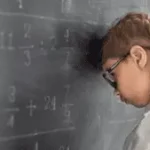 4. Sudden Drop in School Performance
Has your child’s grades dropped suddenly? Are teachers reporting trouble paying attention or following directions? While academic struggles can happen for many reasons, they’re often tied to behavioral health.
Why it matters: Learning difficulties, ADHD, and emotional distress can show up first in the classroom. Kids may feel frustrated, embarrassed, or hopeless.
What to do: Communicate openly with teachers. Ask if changes are happening in multiple settings (home and school). Consistent patterns are worth investigating with a pediatrician.
5. Aggressive or Defiant Behavior

Occasional misbehavior is normal, but frequent anger, defiance, or aggression that disrupts family life may be cause for concern. If your child often lashes out, argues constantly, or gets physical with others, it may signal something deeper.
Why it matters: Persistent aggression can indicate oppositional defiant disorder (ODD), ADHD, or even anxiety that your child doesn’t know how to express.
What to do: Stay calm during outbursts and set clear, consistent rules. Avoid harsh punishments—focus instead on positive reinforcement and expert guidance.
6. Changes in Appetite or Eating Habits
 6. Changes in Appetite or Eating Habits
Food habits can tell you a lot about your child’s emotional state. Look out for sudden overeating, undereating, or picky eating that worsens over time.
Why it matters: Eating changes may be linked to stress, anxiety, or early signs of eating disorders. Kids may use food to feel control or cope with emotions.
What to do: Encourage balanced meals and family dinners. If eating changes persist, consult with your pediatrician to rule out medical and emotional causes.
7. Excessive Worry or Fear

It’s natural for kids to worry sometimes. But if your child constantly feels afraid, avoids new experiences, or is overly clingy, it could signal an anxiety disorder.
Why it matters: Untreated anxiety can grow into bigger problems later in life, such as panic attacks or depression.
What to do: Teach your child calming techniques like deep breathing. Praise small acts of bravery. Professional support from a child therapist may be beneficial.
8. Trouble Controlling Impulses
 8. Trouble Controlling Impulses
If your child acts without thinking—grabbing toys, interrupting constantly, or running into danger—it could be more than just high energy.
Same-day and next-day appointments available.
Why it matters: Poor impulse control is a hallmark sign of ADHD and other behavioral health challenges. Left unaddressed, it can impact friendships, school success, and safety.
What to do: Structure and routines help. Break tasks into smaller steps and provide clear expectations. A pediatric evaluation may be needed for further support.
9. Frequent Physical Complaints Without a Medical Cause
Does your child often complain of headaches, stomachaches, or feeling “sick,” but the doctor finds no physical reason? This could be the body’s way of expressing emotional distress.
Why it matters: Children sometimes experience emotional struggles physically because they don’t know how to verbalize feelings of sadness, fear, or stress.
What to do: Keep a log of when symptoms occur. Look for patterns—such as stomach aches before school. Bring this information to your child’s doctor.
How Parents Can Support Children at Home

While professional care is essential, parents also play a crucial role in shaping a child’s emotional and behavioral health. Home is where children feel safest, so the way we respond, structure their environment, and model healthy habits can make a lasting difference.
Here are some practical and powerful ways parents can provide support every day:
🫶👥 Build a Predictable Routine
Children thrive on consistency. A predictable schedule—such as set times for meals, homework, and bedtime—helps them feel safe and secure. When kids know what to expect, it lowers stress and gives them a sense of stability.
Even small routines, like a family dinner or a bedtime story, can provide comfort during uncertain times.
🫶👥 Encourage Open Communication
Make it clear that your child’s feelings are valid and welcome. Let them know it’s okay to talk about being sad, scared, or worried. Try using simple prompts like, “How did that make you feel?” or “What was the best and hardest part of your day?”
🫶👥 Model Healthy Behavior
Kids often mirror their parents’ actions. Show them how you handle stress in positive ways—whether that’s taking a walk, practicing deep breathing, or talking through problems calmly. By modeling self-care and resilience, you’re teaching them lifelong skills to manage their own emotions.
🫶👥 Limit Screen Time and Encourage Active Play
Excessive screen time can sometimes worsen anxiety, disrupt sleep, and reduce attention span. Set reasonable limits and encourage alternative activities such as outdoor play, family board games, reading, or creative hobbies like drawing and music.
🫶👥 Practice Patience and Celebrate Small Wins
Change doesn’t happen overnight. If your child struggles with behavioral health challenges, progress may be slow and filled with setbacks. Be patient with them—and with yourself. Celebrate small victories, like a good night’s sleep or a calm response in a stressful situation.
🫶👥 Foster Strong Connections
Encourage your child to build and maintain positive relationships—with siblings, friends, teachers, or relatives. Strong social connections act as a protective factor for mental health, helping children feel loved, supported, and less isolated.
🫶👥 Create a Calm and Nurturing Environment
Home should feel like a refuge. Minimize conflict in front of your child when possible, and create cozy spaces where they can relax, such as a reading corner or a quiet play area. A peaceful environment helps regulate emotions and reduces stress, thus mitigating behavioral health issues in your child.
💡 Parent Self-Care Tip
It’s easy to pour all your energy into caring for your child with behavioral health issues, but remember: children notice how parents handle stress. Taking care of yourself—through rest, exercise, hobbies, or talking with friends—sets a powerful example.
When parents are calm and supported, children feel more secure. Caring for your well-being is not selfish; it’s an important part of caring for your child.
When Should Parents Seek Professional Help?
If you notice several of these behavioral health issues lasting more than a few weeks, it’s time to reach out. Start with your pediatrician, who can provide screenings or referrals to child psychologists, psychiatrists, or therapists. You don’t have to wait until things get worse.
Just like you wouldn’t ignore a persistent fever, you shouldn’t ignore persistent behavioral health changes.
👉 This article provides further insights: Essential Areas How Flexibility in Pediatric Care Shapes Future Children’s Healthcare
Trust Your Gut and Take Action

No one knows your child better than you. If you notice behaviors that don’t feel right—whether it’s mood swings, withdrawal, sleep troubles, or frequent worries—trust your instincts. These may be the earliest signs of a behavioral health issue, and recognizing them now can change your child’s future.
Spotting these behavioral health signs does not mean your child is “broken” or that you’ve done something wrong. Children, just like adults, face challenges with their emotions, thoughts, and behaviors. What matters most is that you’re paying attention and willing to act. Don’t wait until things feel overwhelming.
When it comes to behavioral health issues, consider reaching out to your pediatrician, connecting with school staff, or consulting a child therapist. Meanwhile, create a home environment filled with patience, structure, love, and open communication. Remind your child daily that they are safe, loved, and never alone.
🌟 Take the Next Step for Your Child’s Well-Being
If you’ve noticed any of these early signs of behavioral health issues in your child, don’t wait—early action can make a world of difference. At Omega Pediatrics, we’re here to support you with compassionate care, expert guidance, and the resources your child needs to thrive.
👉 Schedule a wellness visit with Omega Pediatrics today and take the first step toward brighter, healthier days for your child.