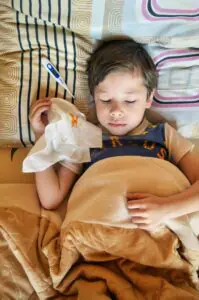
Most stomach bugs in kids get a lot better within 1 to 3 days, although diarrhea can last several more days. The vomiting phase is usually the hardest part, but it often improves within the first 24 hours.
This guide explains what is typical, what symptoms may last longer, how to help your child stay hydrated, and when it is time to call your pediatrician.
Quick Answer
Most stomach bugs in kids improve within 1 to 3 days. Diarrhea may last longer.
- Vomiting: often 12 to 24 hours
- Diarrhea: often 3 to 7 days
- Fever: often 24 to 48 hours
- Overall illness: many kids feel much better within 2 to 3 days
 Your Child is Throwing Up—And You’re Freaking Out
 Your Child is Throwing Up—And You’re Freaking Out
Here’s what you need to know right now: The stomach bug is brutal. But it usually doesn’t last as long as you think.
In this guide, I’m answering exactly how long does stomach virus lasts, what to expect day by day, and how to help your child (and yourself!) survive it.
Let’s get through this together.
How Long Does a Stomach Virus Last? (The Real Timeline)
Here’s the answer you’re desperately searching for at 3 AM: Most stomach viruses last 1 to 3 days. But here’s the full breakdown:
For Kids:
Vomiting: Usually 12 to 24 hours (rarely more than 48 hours)
Diarrhea: Can last 3 to 7 days (sometimes up to 10 days)
Fever: Usually gone within 24 to 48 hours
Overall sickness: Most kids feel much better within 2 to 3 days
For Adults (if you catch it):
Vomiting: 12 to 48 hours
Diarrhea: 3 to 5 days
Overall sickness: Usually 1 to 3 days
The worst part (vomiting) is usually over within 24 hours. That’s the good news.
The bad news? Those 24 hours feel like FOREVER.
What is the Stomach Bug, Anyway?
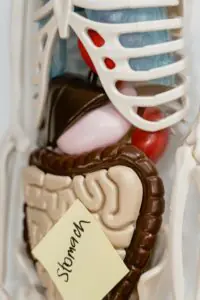
“Stomach bug,” “stomach flu,” “stomach virus”—they all mean the same thing.
It’s called viral gastroenteritis. Basically, a virus that attacks your stomach and intestines.
Most Common Stomach Viruses:
Norovirus (the worst one!)
- Super contagious
- Spreads like wildfire through families, schools, and daycares
- Causes sudden, violent vomiting and diarrhea
- Peaks in the winter months
- Lasts 1 to 3 days
Rotavirus
- Common in babies and young kids
- Causes severe diarrhea and vomiting
- There’s a vaccine for this one!
- Lasts 3 to 8 days
Adenovirus
- Causes fever, vomiting, diarrhea
- Can also cause cold-like symptoms
- Lasts 1 to 2 weeks
Important: The “stomach flu” is NOT the same as influenza (the regular flu). They’re completely different viruses.
Stomach Virus Timeline: What to Expect Day by Day
Let me walk you through what usually happens so you know what’s coming.
Day 0: Exposure
 Day 0: Exposure
Your child is exposed to the virus (at school, daycare, playdate, or from you). You won’t know yet. Everything seems fine.
Day 1-2: Incubation Period
The virus is multiplying in your child’s body. Still no symptoms. Your child feels fine. But they’re already contagious.
This is why stomach bugs spread so easily. Kids spread it before anyone knows they’re sick.
Day 2-3: BOOM. Symptoms Hit
This usually starts suddenly, often in the middle of the night (because of course it does). Sudden vomiting (often multiple times)
What to expect:
- Vomiting every 30 minutes to 2 hours
- Child can’t keep ANYTHING down (not even water)
- Child feels awful—pale, weak, crying
- Might have fever (100°F to 102°F)
- Stomach cramps
This is the WORST day. The vomiting is intense and scary.
Duration: Usually 12 to 24 hours of intense vomiting
Day 3-4: Vomiting Stops, Diarrhea Starts
The vomiting usually stops after 24 hours (THANK GOD). But now comes the diarrhea. This is when dehydration becomes the biggest worry.
What to expect:
- Watery diarrhea (sometimes every hour)
- Stomach cramps
- Child still feels tired and weak
- Might still have a low fever
- Can finally keep small sips of liquid down
Day 4-7: Getting Better (But Still Gross)

Diarrhea continues but gets less frequent.
What to expect:
- Fewer bathroom trips
- Child’s energy comes back
- Can eat bland foods
- No more fever
- Still contagious!
Day 7-10: Almost Normal
Most kids are back to normal by now. Some kids still have loose poops for a few more days. That’s normal.
Your child can go back to school/daycare once they’ve had NO diarrhea or vomiting for 24 hours.
How Long is the Stomach Virus Contagious? (This is Important!)
Here’s the scary truth: Your child is contagious BEFORE they even have symptoms. And they stay contagious for days AFTER they feel better.
Contagious Timeline:
Before symptoms: 1 to 2 days before vomiting starts
During sickness: The entire time they’re sick
After symptoms stop: Up to 2 WEEKS after they feel better
Yes, really. Up to 2 weeks. This is why stomach bugs spread through entire families, schools, and daycares.
How it Spreads:
- Touching contaminated surfaces (doorknobs, toys, toilets)
- Contact with vomit or poop (changing diapers, cleaning up)
- Eating food prepared by an infected person
- Close contact (hugging, kissing)
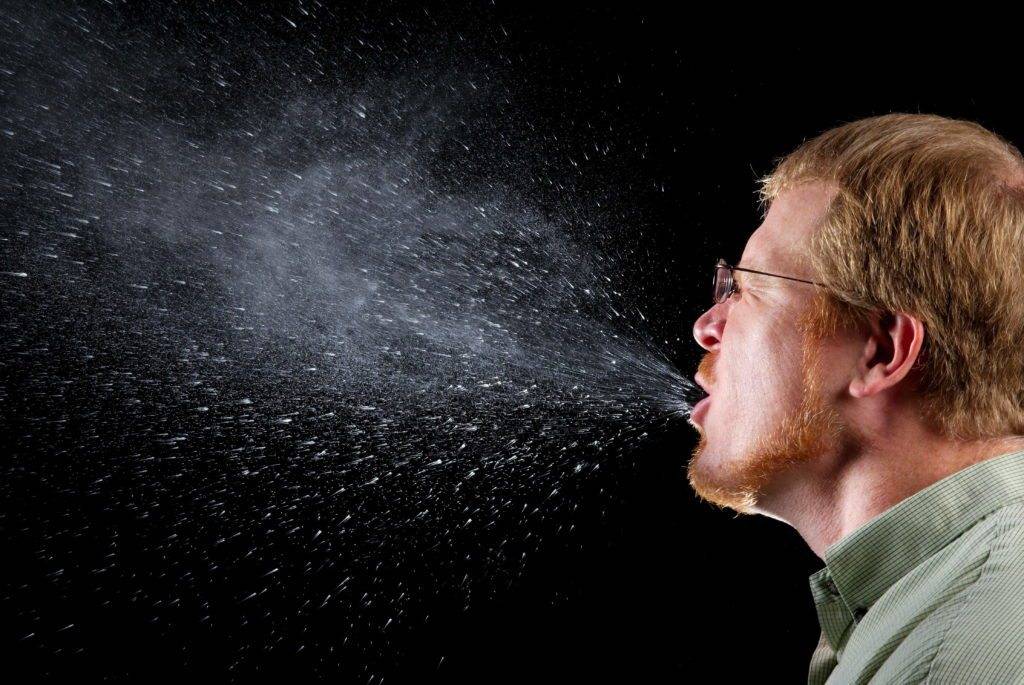
- Airborne particles from vomit (when someone throws up, tiny droplets spread)
The virus is INCREDIBLY hardy. Regular cleaning doesn’t always kill it. You need bleach.
How to Help Your Child Through the Stomach Virus
You can’t cure a stomach virus. But you CAN make your child more comfortable.
During the Vomiting Phase (First 24 Hours)
 During the Vomiting Phase (First 24 Hours)
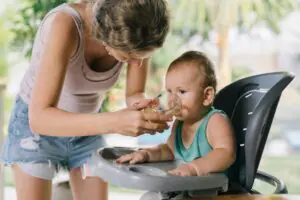
What to do: Let the stomach rest. For the first 1 to 2 hours after vomiting, give NOTHING. No food. No water. Let the stomach settle.
Start with tiny sips. After 1 to 2 hours, offer 1 teaspoon of clear liquid every 5 minutes.
Best liquids:
- Water
- Pedialyte (best choice for preventing dehydration)
- Diluted apple juice (mix 1 part juice, 1 part water)
- Clear broth
- Popsicles (these count as fluids!)
Avoid:
- Milk and dairy (makes it worse)
- Sugary drinks (can make diarrhea worse)
- Red liquids (you’ll think it’s blood if they throw it up)
If child keeps the sips down: Gradually increase to 1 tablespoon every 5 minutes, then 2 tablespoons.
If child throws up again: Start over. Wait 1 hour. Try again with tiny sips. This is SLOW and frustrating. But it works.
During the Diarrhea Phase (Days 2-7)
What to do: Keep offering fluids. Dehydration is the biggest danger now.
Offer small amounts of bland food if child is hungry: crackers, toast, rice, applesauce, bananas, plain pasta, and chicken (plain, no seasoning)
Same-day and next-day appointments available.
This is the “BRAT diet” (Bananas, Rice, Applesauce, Toast). It’s not nutritionally complete, but it’s easy on the stomach.
Avoid: greasy or fried foods, dairy, spicy, high-fiber, and sugary foods
Let the child’s appetite guide you. If they don’t want to eat, that’s fine. Focus on fluids.
Comfort Measures
- Keep a bucket nearby at all times
- Dress child in old, comfortable clothes you don’t care about
- Use waterproof mattress protectors (you’ll thank me later)
- Give frequent diaper changes to prevent bad diaper rash
- Let child rest as much as they want
- Offer cuddles (if you’re brave enough to risk catching it)
- Small sips of liquid every 15 minutes (set a timer)
Warning Signs of Dehydration (Call the Doctor NOW)
Dehydration is the most dangerous part of stomach viruses in kids. Call your pediatrician immediately if you see:
Severe Dehydration Signs:
⚠️ No wet diaper for 6+ hours (for babies)
⚠️ No pee for 8+ hours (for older kids)
⚠️ Very dark yellow pee (looks like apple juice)
⚠️ Dry mouth and lips (no saliva)
⚠️ No tears when crying
⚠️ Sunken eyes (eyes look hollow)
⚠️ Sunken soft spot on baby’s head
⚠️ Extreme lethargy (can’t wake child up, won’t respond)
⚠️ Fast breathing or a fast heart rate
⚠️ Child is confused or extremely irritable
Also, Call the Doctor If:
- Blood in vomit or poop
- Vomit is green or yellow (bile)
- Severe stomach pain that won’t stop
- High fever (over 104°F)
- Vomiting lasts more than 24 hours
- Diarrhea lasts more than 7 days
- Child is under 3 months old and has any vomiting or diarrhea
Don’t mess around with dehydration. If you’re worried, call your doctor. Better safe than sorry.
Should You Give Medicine for Stomach Virus?
Here’s what works and what doesn’t:
DON’T Give:
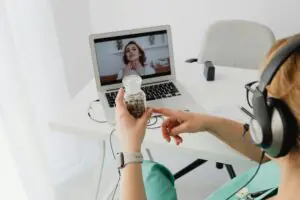
Anti-nausea medicine (unless the doctor prescribes it)
- Can be dangerous for young kids
- Might make things worse
- Never give without the doctor’s approval
Anti-diarrhea medicine (like Imodium)
- Traps the virus in the intestines
- Makes illness last LONGER
- Never give to kids without the doctor’s approval
Antibiotics
- Don’t work on viruses
- Actually makes diarrhea worse
DO Give:
Acetaminophen (Tylenol) for fever or pain
- Safe and can make child more comfortable
- Follow the dosing instructions
Ibuprofen (Advil, Motrin) for fever or pain (if over 6 months)
- Only if child can keep it down
- Give with food if possible
- Don’t give if child is dehydrated
Pedialyte or electrolyte solution
- This is the BEST thing you can give
- Prevents and treats dehydration
- Much better than plain water
Probiotics
- Some studies show they help
- Ask your doctor first
- Might shorten duration by a day
How to Avoid Catching the Stomach Bug (Good Luck!)
Let’s be honest: If your child has the stomach bug, you’ll probably get it too. But here’s how to TRY to avoid it:
Critical Prevention Steps:
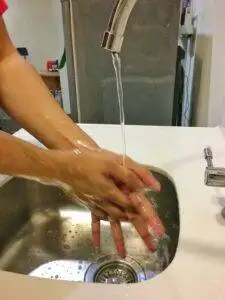
Wash your hands constantly with soap and water for 20 seconds
- After touching child
- After cleaning up vomit or poop
- Before eating or preparing food
- After using the bathroom
Hand sanitizer does NOT kill norovirus. Only soap and water work.
Clean contaminated surfaces with bleach
- Mix 1/3 cup of bleach in 1 gallon of water
- Let it sit for 5 minutes
- Wipe down doorknobs, light switches, toilets, faucets, toys
Quarantine the sick child
- Keep them in one room if possible
- Don’t share toys, cups, or utensils
- Wash their laundry separately in hot water
Wear gloves when cleaning up vomit or changing diapers
Dispose of contaminated items. Throw away toothbrushes after illness. Wash all beddings in hot water.
Keep the sick child home for 24 hours after the last vomit or diarrhea
Don’t prepare food for others if you’re sick
Avoid close contact (no sharing food, drinks, or utensils)
Even with all this, you might still get it. Stomach bugs are THAT contagious.
What If the Whole Family Gets Sick?
This is every parent’s nightmare. But it happens.
Survival Tips:
- Stock up NOW on supplies: Pedialyte, saltine crackers, ginger ale, popsicles, toilet paper (lots of it), paper towels, bleach, disposable gloves, trash bags, and waterproof mattress covers
- Set up “sick stations” in each bedroom: bucket for vomiting, towels, water bottle, crackers, and wipes
- Order groceries for delivery (you can’t leave the house)
- Take turns caring for kids if both parents are sick
- Let dishes and laundry pile up (survival mode is okay)
- Keep electronics charged (kids will need entertainment)
- Accept that your house will be a disaster (you can clean later)
- Call for help if you need it (grandparents, friends, neighbors)
When Can Your Child Go Back to School or Daycare?
Wait 24 hours after the last episode of vomiting OR diarrhea. This is the standard rule for most schools and daycares.
So if your child’s last vomit was Tuesday at 2 PM, they can go back on Wednesday after 2 PM (or just wait until Thursday to be safe).
Your child is still contagious for up to 2 weeks, but the 24-hour rule balances public health with practical reality.
If your child had norovirus, some doctors recommend waiting 48 to 72 hours because it’s SO contagious.
Check your school or daycare policy. Some are stricter than others.
How to Prevent Stomach Viruses (Before Anyone Gets Sick)
You can’t prevent all stomach bugs. But you can reduce the risk.
Year-Round Prevention:
 Year-Round Prevention:
- Teach kids to wash their hands properly: after using the bathroom, before eating, after playing outside, and after touching animals
- Get the rotavirus vaccine (for babies): given at 2, 4, and 6 months. This prevents severe rotavirus.
- Wash fruits and vegetables before eating
- Cook meat thoroughly
- Don’t share cups, utensils, or food
- Clean and disinfect toys regularly
- Keep sick kids home (don’t send them to school/daycare)
- Teach kids not to touch their face (so hard, I know!)
During Stomach Bug Season (Winter):
- Avoid crowded places if possible
- Wipe down shopping cart handles
- Don’t let kids eat food off tables at restaurants
- Pack hand wipes for when soap isn’t available
- Be extra careful at buffets (germs spread easily)
The Stomach Bug vs. Food Poisoning: What’s the Difference?
Both cause vomiting and diarrhea. So how do you tell them apart?
Stomach Virus:
- Starts 1 to 3 days after exposure
- Vomiting comes first, diarrhea later
- Lasts 1 to 3 days (sometimes longer)
- Often spreads through whole family
- Symptoms come on gradually (sometimes)
Food Poisoning:
- Starts within hours of eating contaminated food
- Comes on SUDDENLY
- Often severe vomiting and diarrhea occur at the same time
- Usually doesn’t spread to others (unless you all ate the same food)
- Lasts 12 to 48 hours usually
Both are treated the same way: Rest, fluids, and time.
You Will Survive This (I Promise)

I know you’re exhausted. You’ve done 47 loads of laundry. You’re sleeping on towels because you ran out of clean sheets. You’re living on crackers. And you’re scared you’re next.
The stomach bug is BRUTAL. There’s no sugarcoating it. But here’s what I want you to remember:
How long does a stomach virus last? Usually 1 to 3 days. The worst part (vomiting) is usually over in 24 hours.
What matters most:
- Keep your child hydrated (tiny sips constantly)
- Watch for dehydration signs
- Let them rest
- Call the doctor if you’re worried
This WILL end. Usually, within 48 to 72 hours, your child will feel SO much better.
And one day soon (maybe a week from now), you’ll be back to normal life. The house will be clean again. The laundry will be caught up. And you’ll have survived.
You’re doing an amazing job in impossible circumstances.
Need more expert guidance on keeping your kids healthy? Visit Omegapediatrics.com for trusted pediatric advice and support.
Hang in there, mama. This too shall pass.. (Literally.) 💩