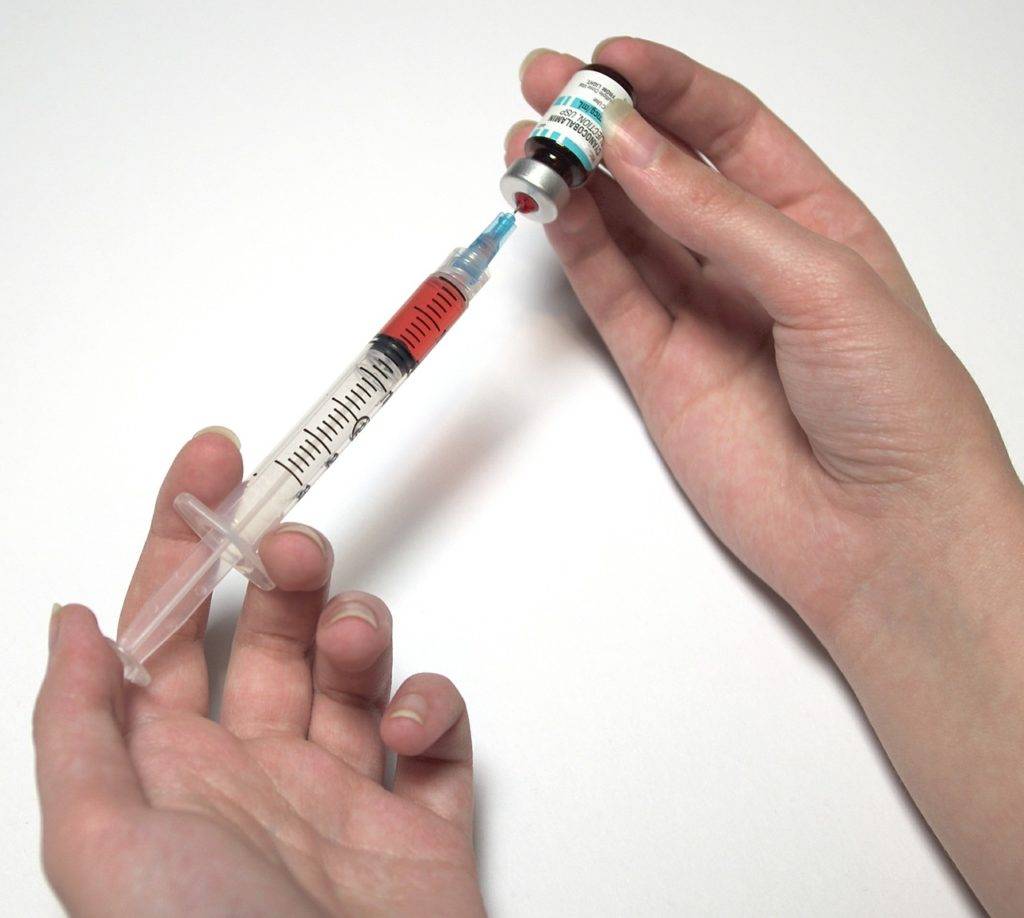
 Vaccines are one of medicine’s most important tools for protecting children’s health. But for many parents, the list of vaccine ingredients raises questions: What are all these things? Are they safe for my child?
This post aims to explain the ingredients found in vaccines and reassure parents about their safety, written simply in the friendly tone you’ll find on Omega Pediatrics—because when it comes to your child’s health, understanding matters.
What are Vaccines? Why Do They Have Different Ingredients?
Before diving into ingredients, let’s start with the basics.
How Vaccines Work
Vaccines train the body’s immune system to recognize and fight germs—viruses or bacteria—without the child getting the full disease. That way, if the real germ comes later, the immune system is ready.
Why Vaccines Need More Than Just the Germ or a Piece of a Germ
To make vaccines work well and be stored safely, manufacturers add small quantities of other substances. These are ingredients like
- Adjuvants: boost the immune response
- Stabilizers: help keep the vaccine effective during storage
- Preservatives: prevent contamination
- Residuals: tiny leftovers from production
Every ingredient has a purpose. The key is that they are present in very small amounts, and only those needed for safety and effectiveness are included. The Centers for Disease Control and Prevention (CDC) explains that “modern vaccines contain only the ingredients they need to be safe and effective.”
Main Types of Vaccine Ingredients and What They Do
We’ll go through the common types of vaccine ingredients, explain their purpose, and clarify what research says about their safety.
1. Antigens—the active part

- What they are: The antigen is the part of the vaccine that teaches the immune system. It might be a weakened or dead germ, a piece of the germ, or part of the germ’s structure.
- Why they’re needed: Without an antigen, the immune system has nothing to train on.
- Safety: Because antigens are inactivated or are of very low risk, vaccines are safe, and the real disease (which the vaccine protects against) is far more dangerous. The WHO says that a person is far more likely to be seriously harmed by a disease than by a vaccine.
2. Adjuvants—the immune-boosters
- What they are: Adjuvants are substances sometimes added to help the immune system respond better or allow fewer doses of vaccine.
- Common example: Aluminum salts (e.g., aluminum hydroxide) are used as adjuvants in many vaccines.
- Purpose explained: They help “wake up” the immune system so it makes a strong response.
- Safety note: The amounts of aluminum used are very small—much lower than what infants typically ingest from diet.
For example, infants may receive ~4.4 mg of aluminum from vaccines in the first six months of life but may ingest more than that from formula or breastmilk sources in the same time. So the adjuvant dose is within safe limits.
- Bottom line: Adjuvants are safe and important for effective vaccines.
3. Stabilizers—helping the vaccine stay good
- What they are: These are ingredients that help keep the vaccine working during manufacture, storage, and transport. They protect the active parts from temperature changes or from sticking to the vial.
- Examples: Sugars (sucrose, lactose), amino acids (glycine), gelatin, or some human albumin (very small amounts) can be used.
- Safety note: These substances are commonly found in foods or our bodies; the amounts used in vaccines are very small and well within safe limits.
4. Preservatives—keeping multi-dose vials safe
 4. Preservatives—keeping multi-dose vials safe
- What they are: Preservatives prevent bacteria or fungi from contaminating a vaccine vial after it has been opened (when more than one dose is taken from the same container).
- Common example: Thimerosal (an ethyl mercury-based compound) has been used as a preservative in multi-dose vials.
- Safety note and history: Studies have found no evidence that thimerosal in the small amounts used in vaccines causes harm, including no link to autism. Because of caution and public concern, thimerosal was removed from most childhood vaccines in the U.S. by around 2001.
- Important point: Many vaccines today are single-dose (so they don’t need preservatives) or use very minimal amounts of preservatives.
5. Residuals/Manufacturing leftovers—very tiny trace materials
- What they are: During vaccine manufacture, ingredients may be used to grow germs, inactivate them, or support manufacturing. After purification, tiny “leftover” (residual) amounts may remain.
These can include egg proteins (if eggs were used in production), yeast proteins, antibiotics, formaldehyde, and culture media components.
- Safety note: These are extremely small amounts (parts per million or billions) and are well below safety concern thresholds. The process of vaccine approval and regulation ensures that any such residuals are safe.
- Allergy note: If your child has a known allergy (egg allergy or yeast allergy), you should discuss with your healthcare provider before vaccination; alternative vaccine formulations may exist.
6. Diluents and Other Additives
- What they are: After production, vaccines may be stored in a liquid or use a diluent (sterile water) to reach the correct concentration before administration.
- Safety note: These don’t impact the immune response directly—they are just part of the “package” and are safe.
Key Safety Questions Parents Often Ask
Let’s look at some of the most common concerns and what the evidence says.
Same-day and next-day appointments available.
Can vaccine ingredients cause serious harm?

- The safety of vaccines is monitored continuously by organizations such as the WHO’s Global Advisory Committee on Vaccine Safety (GACVS).
- As the WHO states: “Vaccines are very safe. Like any medicine, vaccines can cause side effects. However, these are usually very minor and of short duration, such as a sore arm or a mild fever.”
- Serious harm from ingredients is exceedingly rare, and when it occurs, it is usually due to a specific allergy (e.g., severe egg allergy, gelatin allergy), not the general population.
Is the mercury in thimerosal harmful?
- Important distinction: thimerosal uses ethyl-mercury, which is processed by the body differently than methyl-mercury (the kind found in certain fish). The FDA states that “exposure of children to particular ingredients in vaccines… did not increase their risk of autism.”
- Many childhood vaccines in the U.S. no longer contain thimerosal in routine use; when it is used, it is at very low levels.
- The conclusion of multiple reviews: no credible evidence of harm from the small doses used in vaccines.
What about aluminum?
- Aluminum salts are used as adjuvants in some vaccines. The doses are very small, and infants encounter more aluminum from food than from vaccines.
- These aluminum adjuvants have been in use for many decades and are proven to be safe when used in vaccines.
Are trace amounts of leftover materials safe?
- Yes. Vaccine production includes purification and strict checks. Any residuals (egg protein, yeast, antibiotics) are in exceedingly small quantities (parts per million/billion) and are safe for almost all children.
- Exception: children with known, severe allergies to a specific component (e.g., gelatin or egg) should consult their doctor.
Why do we need all these extra ingredients if they seem complicated?
- Each ingredient has a clear purpose:
- Antigen → teaches the immune system
- Adjuvant → boosts the response
- Stabilizer → keeps it effective during storage
- Preservative → keeps multi-dose vials safe
- Residuals → leftover traces from manufacturing
- Without them, vaccines might be less effective, harder to store, or risk contamination. As the U.S. Department of Health & Human Services states: “Ingredients keep vaccines safe and long-lasting.” HHS
A Parent’s Practical Guide: What You Can Do and Ask
Here are some tips for parents about vaccine ingredients and safety.
👐 Ask About Each Vaccine Your Child Receives
- Before vaccination, you can ask, “Can I see the vaccine’s ingredient list or package insert?” Many clinics have accessible information.
- If your child has known allergies (egg, yeast, gelatin, antibiotics), check with your provider whether the specific vaccine has or avoids that component.
👐 Understand Small-Dose vs Multi-Dose Vials
- Multi-dose vials (where more than one person receives doses from the same container) may require preservatives. Single-dose vials often don’t.
- If you prefer a vaccine without certain preservatives, ask if a single-dose formulation is available.
👐 Normal Side Effects vs Serious Reactions

- Most children will have minor side effects after vaccines: sore arm, mild fever, and fussiness. These is normal that the body’s immune system is working.
- Serious allergic reactions (anaphylaxis) are rare. If your child has had a prior severe reaction, discuss precautions and monitoring with your doctor.
👐 Keep Records and Report Concerns
- Keep your child’s vaccine record and note any unusual reactions.
- If you witness a concerning reaction after a vaccine, inform the clinic or health authority. Also note that an “Adverse Event Following Immunization (AEFI)” does not always mean the vaccine caused the problem—investigations are done to assess causality.
Strong Facts to Reassure You
- Vaccines undergo rigorous testing before approval. The Food and Drug Administration (FDA) and other regulators require large clinical trials and ongoing safety monitoring.
- Vaccine ingredients are chosen because they help the vaccine do its job safely; nothing is arbitrary.
- Many ingredients parents worry about (like thimerosal and aluminum) have been studied extensively, and no credible evidence links them with long-term harm in the doses used.
- The risk of serious diseases from vaccine-preventable illnesses (measles, polio, and pertussis) is much bigger than the small risk from vaccines themselves.
Common Misconceptions (and the truth behind them)
👐 Vaccines Contain Fetal Cells
Some vaccine production uses cell lines that trace back decades to human embryo cells, but no fetal tissue is in the final vaccine doses. This is often misunderstood. The ingredient lists focus on actual compounds present.
👐 Vaccines Cause Autism Because of Ingredients
This has been extensively studied and disproven. Reviews show no link between vaccine ingredients (including thimerosal) and autism spectrum disorder.
👐 If a Little is Good, More Must be Better
More is not better when it comes to vaccine ingredients. Every ingredient must be minimal and safe; excess could cause harm or unnecessary reactions. That’s why regulatory agencies set strict limits.
Why Understanding Ingredients Matters for You
 Why Understanding Ingredients Matters for You
- Empowerment: Knowing what goes into a vaccine helps you feel confident when you consent for your child.
- Informed questions: If your child has allergies or special health concerns, you can ask targeted questions about ingredients.
- Trust and peace of mind: Awareness of the purpose and safety of ingredients reduces fear and builds trust in the immunization process.
- Better communication: When you talk with family, friends, or other caregivers, you can share accurate information instead of repeating myths.
Quick Reference Table: Ingredient Types, Purpose, and What to Ask
| Ingredient Type | Purpose | Example | What to Ask |
| Antigen | Stimulates immune response | Inactivated virus, protein piece | “What is the germ component in this vaccine?” |
| Adjuvant | Boosts immune response | Aluminum salts | “Does this vaccine use an adjuvant?” |
| Stabiliser | Maintains vaccine integrity | Sucrose, gelatin | “Are there stabilisers I should worry about?” |
| Preservative | Prevents contamination of the vial | Thimerosal (in some multi-dose vials) | “Is this a multi-dose vial? What preservative is used?” |
| Manufacturing residual | Trace leftover materials | Egg protein, yeast, and antibiotics | “Are there any allergens leftover from production?” |
Your Child, Your Questions, Your Trust

As a parent, you carry the weight of keeping your child safe and healthy. When vaccination is on the schedule, it’s completely natural to ask: What exactly is in these tiny syringes? Are they safe? Here’s what we want you to remember:
- Every ingredient in a vaccine has a clear, necessary role.
- Doses of ingredients are tiny, carefully measured, and tested for safety.
- Major health organizations (WHO, CDC, FDA) monitor safety continuously and have found vaccines to be very safe overall.
- If your child has a special health situation or known allergies, use that opportunity to talk with the clinician, ask about vaccine ingredients, and choose the best option together.
- Protecting your child from serious illnesses means trusting the science behind vaccines—including the careful selection of ingredients.
At Omega Pediatrics, we believe that informed parents make confident decisions. If you ever feel uneasy about a vaccine ingredient or want to understand a particular vaccine’s ingredients, ask. We’re here to help walk you through it.
Vaccines aren’t just injections—they’re one of the strongest tools to give your child lifelong health. And with understanding, you can feel good about giving that gift.
Internal Links for Further Reading
- You might also find this post helpful on how vaccination fits into childhood health check-ups—The Importance of Routine Vaccinations: A Pediatrician’s Perspective
- For more details on how vaccine safety is monitored worldwide, see this article on vaccine safety measures: The Facts Behind Vaccine Safety: What Every Parent Should Know
This blog is for general information only. It doesn’t replace personalized medical advice. Always discuss vaccine decisions with your child’s healthcare provider.