How often kids should bathe or shower depends on age, activity, sweat, skin sensitivity, and daily routine. Many parents worry they are doing too much or too little, but the right answer is usually more practical than strict.
This guide explains how often bathing or showering makes sense for many children and when skin type or lifestyle should change the plan.
Quick Answer
- Bathing frequency depends on age and activity
- Dry or sensitive skin may need a gentler routine
- Kids do not all need the same schedule
- Comfort, hygiene, and skin health matter most
But let’s be honest—getting kids (and sometimes even adults) into the habit of regular showers isn’t always easy. Between busy schedules, playful distractions, and bedtime battles, personal hygiene can slip down the priority list.
That’s why today, we’re diving deep into why regular showers are so important—and more importantly, how to make them a consistent, positive routine for your entire family.
The Power of Clean: Why Showers Matter More Than You Think
Taking a shower isn’t just about smelling nice or having shiny hair. It’s about keeping your skin healthy, your mind refreshed, and your immune system strong. Every day, our bodies collect sweat, oils, and bacteria. If left on the skin too long, these can lead to unpleasant odors, clogged pores, and even infections.
For kids, the benefits go even further. Their developing immune systems are learning to protect them from germs. Regular showers help reduce bacteria that cause common skin issues like eczema flare-ups, rashes, and acne during the preteen years.
When your child learns to care for their body early, they also develop self-respect and confidence—two traits that help them grow into healthy, happy adults.
1. Clean Skin, Healthy Body
Your skin is your body’s largest organ, and it plays a major role in keeping you healthy. Think of it like a superhero shield—it protects your insides from harmful bacteria, dirt, and environmental toxins. But just like any superhero, your skin needs a little backup.
A daily shower helps remove dead skin cells and sweat that can clog pores or cause irritation. For children who play outdoors, dirt and germs can accumulate fast. Regular washing makes sure dirt and germs don’t stay, which can lead to infections or itchiness.
Pro Tip: Teach your child to pay attention to “high-traffic areas”—armpits, feet, groin, and behind the ears. These spots tend to collect the most sweat and germs.
2. Boosting Confidence and Emotional Well-Being
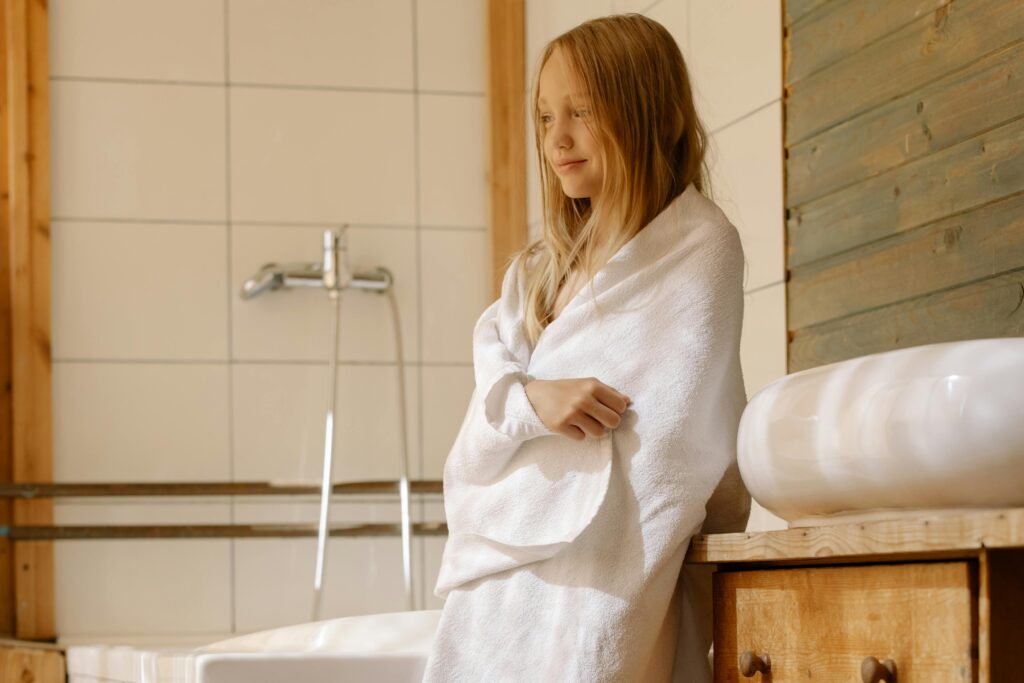
There’s a surprising emotional side to showering. Have you ever noticed how refreshed you feel after a shower? That’s not just in your head—warm water can help relax your muscles, reduce stress, and even improve your mood.
For kids, feeling clean can also boost self-esteem. School-age children are especially sensitive about body odor or greasy hair, and poor hygiene can sometimes lead to teasing or embarrassment. A regular shower habit helps them feel more comfortable in social settings and more confident in their skin.
And for parents? A quick shower can be the five-minute escape that resets your day. It’s self-care disguised as hygiene.
3. Preventing Common Health Issues
Skipping showers occasionally might not seem like a big deal, but consistent neglect can lead to a buildup of bacteria and oils that cause problems. Regular showers—combined with clean towels and fresh clothes—can prevent these problems before they start.
- Body odor: Caused by bacteria breaking down sweat.
- Skin infections: Especially in kids who play sports or stay active.
- Itchy scalp and dandruff: From oil buildup and dead skin cells.
- Fungal infections: Like athlete’s foot, which spreads easily in warm, moist environments.
Learn more about how to protect your child’s skin and health in this helpful guide: Building Healthy Habits in Children: 9 Ways to Nurture Lifelong Wellness
4. Building Life Skills Early
Teaching kids to shower regularly is about more than hygiene—it’s about building lifelong routines. When children learn how to care for themselves early, it encourages independence and responsibility.
For younger children, this might mean learning to wash under supervision, focusing on rinsing properly, and understanding why clean habits matter. For older kids, you can guide them on personal care routines such as washing their hair regularly, using deodorant, and keeping their nails clean.
These habits, once established, become natural parts of their day—just like brushing their teeth or making their bed.
5. Strengthening Family Health

Showers also play a role in protecting the entire family’s well-being. Germs spread easily in close quarters—especially if your family shares towels, bedding, or bathroom spaces. By keeping everyone clean, you reduce the chance of illnesses like colds, rashes, or even lice from spreading.
Encouraging a shower routine helps everyone do their part in maintaining a healthy home environment—one small daily step that adds up to big family wellness.
How to Make Regular Showers a Habit (That Actually Sticks)
Creating a consistent shower routine for your kids doesn’t have to be a struggle. With a little creativity, positive reinforcement, and patience, you can turn shower time into something your children look forward to instead of dread. Let’s explore how.
👏 Make It Fun and Engaging
Children love to play, so bring that same energy into shower time! Use bath crayons, colorful sponges, or favorite character towels to make it feel special. You can also let them choose their gentle, child-safe shampoo or soap scent. These small decisions help them feel in control and excited about bath time.
Younger kids may enjoy singing a “shower song” to help them know how long to wash, or you can use a waterproof timer. Five minutes of fun cleaning time beats constant reminders any day!
👏 Set a Routine and Stick to It
Consistency is key when forming habits. Try to schedule showers at the same time each day—like before bedtime or after dinner. This helps your child’s brain associate showering with a regular part of the daily routine, not a chore. Even better, make it a family routine. For example:
- After sports practice? Everyone showers before dinner.
- Before bedtime? Shower, pajamas, and storytime follow.
When routines are predictable, kids are more likely to cooperate without complaints.
👏3. Use Positive Reinforcement
Kids thrive on praise and encouragement. Instead of scolding for forgetting to shower, celebrate the times they remember! Simple phrases like “I’m proud of how clean you are!” or “You smell so fresh—great job!” can go a long way.
For younger children, you can create a shower reward chart—after a week of consistent showers, they earn a fun activity or a small treat. Eventually, the reward becomes the clean feeling itself.
👏 Educate Through Example
Children copy what they see. If parents maintain regular hygiene habits, kids naturally follow suit. Talk openly about why you shower daily—not in a lecture, but in a friendly conversation. For instance, say: “I take showers every morning because it helps me feel fresh and ready for the day.”
This models the idea that hygiene is a personal choice, not just a rule to follow.
Same-day and next-day appointments available.
👏 Teach Independence Gradually
For toddlers and preschoolers, you’ll still need to help with washing and rinsing. But as they grow, encourage independence by giving them more control. Let them lather up, choose their towel, or decide which days are “hair wash” days.
For preteens, this is also a good time to talk about changes that come with puberty—like sweating more or needing deodorant. It’s important to make these conversations supportive and judgment-free.
Omega Pediatrics has this helpful post, 10 Powerful Child Hygiene Habits Every Parent Must Teach (and How to Make them Stick) for more discussion.
The Emotional Side: Connecting Showers to Self-Care
Showers can also be about self-care, not just hygiene. They can be quiet moments to think, relax, and recharge. Teaching your kids that caring for their bodies is an act of kindness to themselves helps foster a positive body image.
For parents, it’s a reminder that small routines can anchor your day and help you feel more centered. Even a quick rinse can clear your mind, reset your mood, and give you energy to face the rest of your day.
How Often Should You and Your Kids Shower?
There’s no one-size-fits-all answer—it depends on your child’s age, activity level, and skin type. Here’s a general guide:
- Toddlers (ages 1–3): 2–3 times per week is usually enough unless they get visibly dirty.
- Children (ages 4–10): Every other day, or daily during hot weather or after playing outside.
- Preteens and Teens: Daily showers are recommended, especially after sports or sweating.
Adults can usually shower daily or every other day, depending on skin dryness. Remember, over-showering can strip natural oils, so using a gentle soap and moisturizer helps skin balance.
Choosing the Right Products for Kids
When it comes to shower products, gentle is best. Children’s skin is more sensitive than adults’, so avoid harsh soaps or heavily scented products. Always check labels for skin-friendly ingredients like aloe, oatmeal, or chamomile. These natural elements soothe and protect young skin. Look for:
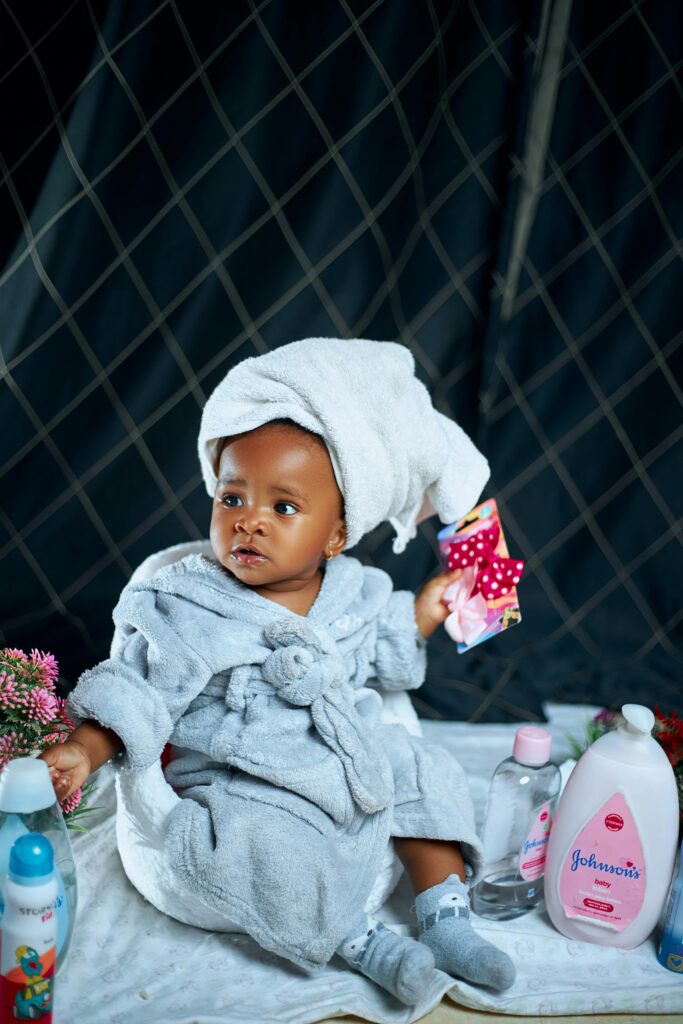
- Tear-free shampoos
- Fragrance-free or hypoallergenic body washes
- Mild moisturizers to use afterward
Creating a Relaxing Shower Environment
The bathroom environment can make or break the shower experience. Keep towels soft and within reach, use warm (not hot) water, and play calm music or use night lights for kids who dislike bright lights.
Adding a few drops of lavender essential oil (in a safe diffuser, not in the bath) can create a calming bedtime signal that helps children wind down.
Overcoming Common Challenges
If your child resists showers, stay patient. Sometimes, fear of water, discomfort with temperature, or sensory sensitivities can make showering unpleasant. For neurodivergent children, visual schedules and consistency can be helpful. In these cases:
- Start with shorter showers.
- Let them use a washcloth first before stepping under the water.
- Gradually increase comfort and confidence over time.
Turning Showers into Family Wins
When your family adopts a shower routine, you’re not just keeping everyone clean—you’re nurturing well-being, self-esteem, and lifelong habits that promote health and confidence. Showers become more than daily tasks—they’re moments of care, growth, and love that bring your family closer together.
😀 Creating a Shared Routine That Builds Connection
Family life can get busy fast. Between school, work, and activities, everyone rushes from one thing to the next. A simple routine like shower time brings structure and connection to your evenings. When each family member knows it’s “clean-up time,” It signals that the day is winding down and everyone is preparing for rest.

Younger kids might look forward to the familiar pattern of shower, pajamas, and bedtime stories. Older kids may enjoy the sense of independence of managing their hygiene schedule. This shared rhythm creates harmony in the household. It’s a quiet, unspoken reminder that even small habits can hold families together.
😀 Encouraging Responsibility and Teamwork
Shower time also helps kids practically learn responsibility. When they remember to take their showers without being reminded, they’re showing maturity and accountability. They learn to take care of their bodies—a small step toward growing up responsibly.
Parents can reinforce this by saying things like, “I love how you took care of yourself tonight,” or “Thanks for remembering to wash your hair.” These positive moments teach children that self-care is valuable and appreciated.
Families can even turn it into teamwork: one child showers while another helps set out towels or refill shampoo bottles. These cooperative actions build a sense of shared responsibility that extends beyond hygiene—it’s about being part of a supportive home.
😀 Making Hygiene a Family Value
Families that value cleanliness and care often find that these small lessons extend into other parts of life. When your children learn that staying clean matters, they also start to value neatness, organization, and health. They begin to understand that taking a few minutes to shower isn’t a chore—it’s a form of self-respect.
When this message comes from parents who model the same behavior, it becomes deeply ingrained. Kids who grow up seeing hygiene as part of self-love carry that mindset into adulthood. You’re not just teaching them to clean their bodies—you’re teaching them how to show respect for themselves and others.
😀 Reducing Stress and Improving Sleep for Everyone
Did you know that warm showers can help your family sleep better? A warm shower in the evening helps lower body temperature afterward, signaling to the brain that it’s time to rest. This simple physiological effect can make bedtime smoother and reduce nighttime restlessness.
Parents often find that their children fall asleep faster and wake up happier after a relaxing nighttime shower routine. For adults, it’s a perfect way to wash away the day’s stress and quiet the mind. In this way, shower time becomes part of your family’s wellness plan, helping everyone unwind and prepare for restorative sleep.
The Ripple Effect of Healthy Routines
Every healthy habit you build as a family—no matter how small—creates ripples that extend far beyond your home. Something as ordinary as shower time can strengthen family bonds, teach children responsibility, and improve everyone’s physical and emotional health.
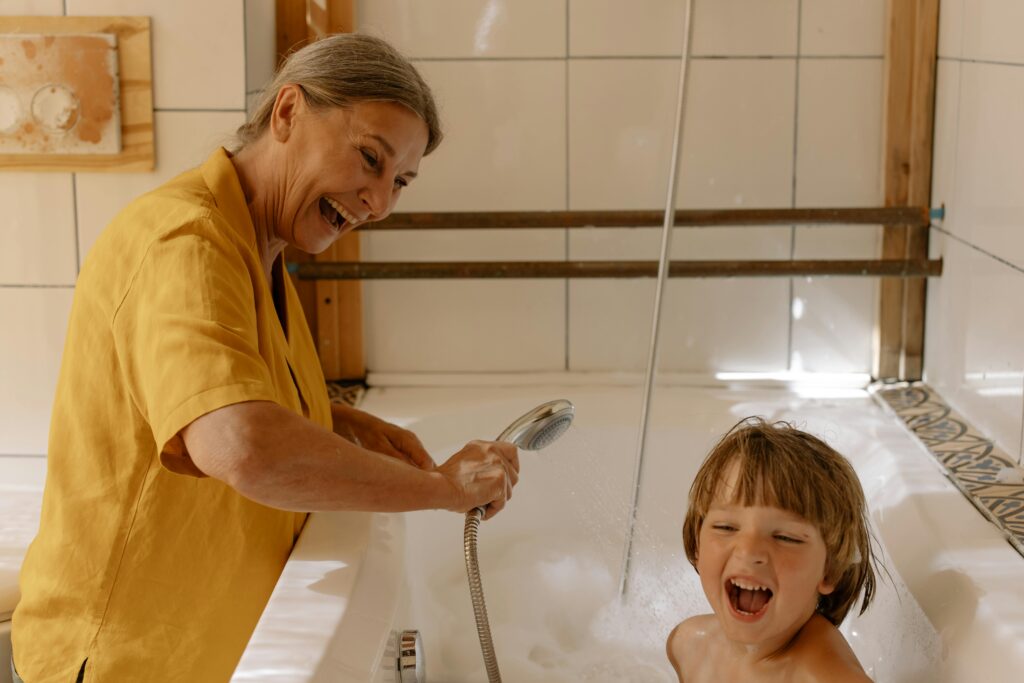
When families approach hygiene with warmth, patience, and joy, shower time stops being a chore and becomes a daily celebration of togetherness. It’s proof that in the simplest routines, the greatest lessons of love and care are found.
Clean Bodies, Confident Hearts
Regular showers are one of those simple yet powerful acts that teach children respect for themselves and awareness of their health. They’re small steps toward independence and self-care, wrapped in bubbles and warm water.
By turning showering into a fun, consistent, and positive experience, you’re not just cleaning your child’s skin—you’re shaping their lifelong view of what it means to care for themselves. So tonight, as you turn on the warm water and hear the laughter echo through the bathroom.
You’re building healthy habits that will last far beyond childhood. At Omega Pediatrics, we believe in empowering families to build strong health habits—one routine at a time.