A high fever in a child can be alarming, but the number alone is not the whole story. Parents usually need to think about age, behavior, hydration, breathing, and how sick the child looks overall.
This guide explains what to do first when your child has a high fever, what warning signs matter most, and when a child should be seen.
Quick Answer
- Look at the whole child, not just the number
- Age matters, especially in young infants
- Hydration and alertness matter a lot
- Call sooner if: your child is very young, hard to wake, struggling to breathe, or looks very ill
A fever is not an illness by itself; it is your child’s body fighting off germs. Still, a high fever can make kids feel terrible, so it is essential to care for them properly. This guide provides simple explanations and clear steps so you can act fast, feel confident, and keep your child comfortable and safe.
What a High Fever Means in Children (Understanding the Basics)
A fever happens when your child’s body raises its temperature to kill germs like viruses or bacteria. It is a natural way the immune system protects your child. A high fever typically indicates a temperature above 102°F (38.8°C). While fevers can look frightening, most are caused by common illnesses such as:
- Colds
- Flu
- Ear infections
- Sore throat (strep throat)
- Virus infections (most common)
- Bacterial infections (may need antibiotics)
- Urinary infections
Why Kids Get High Fevers Easily
Children, especially babies and toddlers, have developing immune systems. This means they may spike fevers fast, sometimes within minutes. Even a sudden high temperature does not always mean something serious, but you must closely watch the symptoms.
Steps to Take Right Away When Your Child Has a High Fever
Below are the most helpful, parent-tested, doctor-approved steps you can take when your child has a high fever. These steps will help soothe your child, lower their fever safely, and help you know what to do next.
Step 1—Stay Calm and Check Your Child’s Temperature the Right Way

When your child feels burning hot, it is normal to worry. But the first step is to stay calm. Fever is common in children. Use a reliable thermometer. Here are safe ways to check the temperature. If the thermometer appears to be incorrect, repeat the test after wiping it clean and waiting 1–2 minutes.
- Forehead thermometer (temporal)—easy and comfortable.
- Digital thermometer under the arm (axillary)—simple but less exact.
- Digital thermometer in the mouth (oral)—best for older kids.
- Rectal thermometer—most accurate for babies under 1 year.
Temperature Guide
- Normal: 97–99°F
- Low fever: 99–100.3°F
- Fever: 100.4–102°F
- High fever: 102–104°F
- Very high fever: 104°F+
Step 2—Keep Your Child Comfortable, Cool, and Hydrated
A child with a fever may feel cold one minute and hot the next. That is normal. The goal is comfort—not making them cold. Here are easy ways to help:
How to Cool Your Child Safely
- Remove extra blankets or heavy clothes.
- Put them in light cotton pajamas.
- Keep the room cool (around 70–72°F).
- Place a cool, damp washcloth on their forehead.
Hydration is Essential
Fever removes water from your child’s body faster than normal. Kids can get dehydrated quickly. Avoid sugary sodas and sports drinks; offer water, Pedialyte, popsicles, broth, coconut water, or ice chips instead.
Tip: If your child is refusing water, try small sips every few minutes instead of a full cup.
Step 3—Use Fever Medicine Safely (Acetaminophen or Ibuprofen)
 Medicines can help lower a fever and make your child feel better. Always follow dosing based on your child’s weight, not age. If you need help with dosing, call your pediatrician. Stick to one of these options:
- Acetaminophen (Tylenol): Safe for babies over 2 months.
- Ibuprofen (Motrin or Advil): Safe for children over 6 months.
Never give your child:
- Aspirin (can cause serious illness)
- Fever medicines made for adults
- Double doses or mixing medicines without guidance
Step 4—Watch for Warning Signs That Show Something Serious
Most fevers typically resolve in 2–3 days. However, some symptoms mean you should call your doctor right away. Babies require prompt medical care because their immune systems are still developing.
Call Your Doctor if Your Child Has
- Trouble breathing
- Fever that lasts more than 3 days
- Fever above 104°F
- Extreme sleepiness or confusion
- Stiff neck
- Seizure
- Severe headache
- Nonstop crying
- Vomiting that will not stop
- Signs of dehydration (dry lips, no tears, fewer wet diapers)
Special Warning Signs for Babies
Call your doctor immediately if a baby has:
- Fever of 100.4°F or higher and under 3 months old
- Poor feeding
- Unusual sleepiness
- Rash that doesn’t fade
Step 5—Keep a Close Eye on Your Child for the Next 24–48 Hours

Fevers change throughout the day. They can go up at night and drop during the morning. Tracking helps your pediatrician understand what is going on. Write down:
- The time you checked the fever
- The temperature
- Any medicine you gave
- Your child’s symptoms
Step 6—Let Your Child Rest (Their Body Needs It to Fight Germs)
Sleep helps the immune system fight off infections. Your child may want to nap more than usual. That is okay. If your child is too tired to play, their body is telling them they need rest.
- Encourage: Quiet time, reading, coloring, watching calm shows, or snuggling.
- Avoid: Rough play, running or sports, long trips, and crowded places.
Step 7—Know When to Seek Emergency Care
Trust your instincts. If something feels wrong, act fast. Go to the ER if your child has:
- Trouble breathing
- Blue lips or face
- Fever over 105°F
- Seizure lasting longer than 5 minutes
- Severe pain
- Rash that looks purple, like bruises
- Won’t wake up normally
- Cannot drink anything
 Conversely, know when to call your pediatrician. Always call if you are unsure. Your pediatrician can help. Here are clear guidelines for parents:
- Your child is under 3 months old
- Fever lasts more than 72 hours
- Fever is over 104°F
- Your child appears to be very sick
- You feel something is not right
Keep Your Child Safe During a Fever
Here are some simple, effective habits:
- Offer fluids all day: Small sips add up.
- Keep the room cool: Heat makes fevers feel worse.
- Do not force food: It is okay if your child eats less for a day or two.
- Give medicine only as needed: Do not wake your child up for fever medicine unless your doctor says so.
- Keep your child home: Fevers mean your child is contagious.
Myths About Fevers You Should Stop Believing
Many people hear things about fevers that sound scary but are not true. Believing these myths can cause panic or lead parents to make choices that don’t actually help their child. Let’s break down the most common fever myths and explain the truth behind each one.
Myth 1: High fevers always mean something serious.
This is one of the biggest fever myths out there. Many parents believe that a high reading on the thermometer automatically means a dangerous illness. But that’s not true. Kids can develop high fevers very quickly, even when the disease causing the fever is mild—such as a simple cold, a sore throat, or a viral infection.
A child’s immune system reacts more strongly, which makes their temperature rise faster and higher than that of adults. What matters more than the number is how your child looks and acts. If your child is drinking fluids, staying awake, and interacting normally—those are good signs, even if the fever is high.
However, always watch for warning signs such as trouble breathing, nonstop crying, a stiff neck, or dehydration. These symptoms—not just the fever number—help tell you if it’s something serious.
Myth 2: You must bring a fever down to normal.
Many parents believe the primary goal during a fever is to lower the temperature back to 98.6°F. Nope—that’s not necessary. A fever is actually a helpful response. A higher body temperature makes it harder for germs to grow and helps the immune system respond more quickly.
This means that a fever is a natural part of the healing process, not something inherently dangerous. Your real goal is to make your child comfortable, not to achieve a perfect number. If your child is resting, drinking, and not in too much discomfort, you don’t have to give medicine right away. Medicine is helpful when:
- Your child is in pain
- They cannot sleep
- They are very uncomfortable
- They refuse drinks because they feel so bad
Focusing on comfort instead of chasing “normal” keeps your child safer and reduces unnecessary medication.
Same-day and next-day appointments available.
Myth 3: Cold baths help fevers.
This is an old myth that keeps coming back. Many parents try cold baths, ice packs, or alcohol rubs because they think it will bring the fever down faster. However, cold water can worsen. When you put a child in cold water, their body gets shocked by the sudden temperature change.
Cold water makes them shiver, which causes their body to generate more heat—raising their temperature instead of lowering it. These gentle steps help reduce discomfort without stressing the body.
- Lukewarm bath (not cold)
- Cool compress on the forehead
- Light clothing and blankets
- Cool, comfortable room
Myth 4: Fever medicine cures the illness.
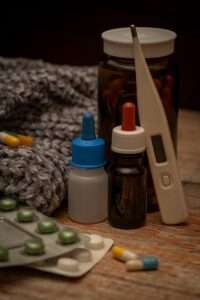 It’s easy to think that once a fever goes down, the illness is gone. But fever medicine—like acetaminophen or ibuprofen—doesn’t cure infections. It only helps with symptoms. Fever reducers:
- Lower the temperature temporarily
- Ease pain
- Increase comfort
- Help your child rest
They do not kill viruses or bacteria. The fever usually comes back after a few hours because the immune system is still doing its job. Your child feels better after medicine because their symptoms are controlled, but their body still needs rest, fluids, and time to recover.
This is why you should avoid giving more medicine than needed. It won’t make the sickness go away faster.
Myth 5: Fevers damage the brain.
This is a fear that worries parents the most—but it’s almost always unfounded. A fever from common childhood illnesses does not get high enough to cause brain damage. Brain damage can occur at temperatures around 107°F (41.7°C) or higher.
These temperatures are rare and typically caused by serious conditions such as heatstroke—not infections. The fever numbers you encounter in children—101, 102, 103, even 104°F—are uncomfortable but not dangerous by themselves.
Even febrile seizures, which can happen in some children, look frightening but do not cause brain damage. So, if the fever is high but your child is breathing normally, drinking some fluids, and responding to you, it’s usually safe to manage at home while watching for warning signs.
Keep Your Home Prepared for the Next Fever Episode
When a fever suddenly shows up, it can make the whole house feel tense. Kids get uncomfortable, parents get worried, and everyone wants answers fast. That’s why having a “Fever Kit” ready to go is one of the smartest things you can do.
A Fever Kit saves time, lowers stress, and helps you stay calm because you don’t have to search the house for supplies when your child needs you most. Think of it as your home base for fever care—a small collection of tools that help you check temperatures, bring fevers down safely, and keep track of important changes.
Below is a detailed explanation of what to keep in your kit and why each item matters:
Digital Thermometer

A good digital thermometer provides you with fast and accurate readings. This helps you determine how high the fever is and whether it’s rising or falling. Choose one that is easy to use, easy to clean, and gives clear numbers.
Tip: Keep extra batteries in the kit so it never fails when you need it.
Acetaminophen (Tylenol)
Acetaminophen reduces fever and helps with pain. It’s safe for children over 2 months old. Always use the correct dose based on your child’s weight. You can write their dose on a sticky note and keep it inside the kit for quick reference.
Ibuprofen (Motrin or Advil)
This is another fever and pain reliever, safe for use in children over 6 months of age. Some parents like having both acetaminophen and ibuprofen so they can give the one their pediatrician recommends for their child’s symptoms.
Important: Never give both at the same time unless your doctor specifically instructs you to do so.
Pedialyte or Electrolyte Pops
When fevers rise, kids lose water quickly. Electrolyte drinks or pops help replace the fluids and minerals they lose. They’re easier for kids to drink when they feel sick, and many children think the pops taste like a treat.
Washcloth
A soft washcloth is ideal for cool compresses on the forehead, neck, or back. This helps comfort your child without shocking their body with cold water. Keep a designated washcloth in your kit so you know it’s always clean and ready.
Light Blankets
Kids with fevers often experience chills, even when their body temperature is high. Light cotton blankets help keep them cozy without overheating. Avoid heavy quilts or thick comforters, as these can trap excessive heat.
Notebook to Track Symptoms

When kids are sick, hours can blur together. Keep a notebook to organize essential information. This information is invaluable if you need to contact your pediatrician or go to the doctor. A simple notebook helps you write down:
- Temperature readings
- Times you gave medicine
- Changes in symptoms
- Foods or drinks your child tolerated
- How long has the fever lasted
List of Your Doctor’s Numbers
In an urgent moment, no one wants to scroll through their phone searching for contact info. Tape a small card inside your Fever Kit or place it in the front pocket. This card should contain important contact information.
- Your pediatrician’s office number
- After-hours number
- Local urgent care
- Nearest emergency room
Why a Fever Kit Matters
When you have all the right supplies in one place, you can respond quickly. You won’t be guessing. You won’t be panicking. And your child will feel safer and calmer because you’re ready. A Fever Kit is simple to make, inexpensive, and incredibly helpful—especially in the middle of the night when fevers often spike.
You’ve Got This, Even on the Tough Fever Days

High fevers can shake any parent’s confidence, but you now have the tools, steps, and smart strategies to stay in control. Most fevers are not emergencies. With calm action, smart care, and an eye on warning signs, you can help your child recover faster and feel safer.
Your child looks to you for comfort and reassurance. Your calm voice, gentle touch, and steady choices make all the difference. And if something doesn’t feel right? Trust your instincts. Reach out to your pediatrician and get the peace of mind you deserve.
You’re not just handling a fever—you’re proving once again that you’re a strong, capable, caring parent who knows how to protect your child. Keep this guide close, stay prepared. You’ve got this. Always.
You can also read related advice in these helpful Omega Pediatrics resources. These guides help you understand when home care is enough and when your child requires medical attention.