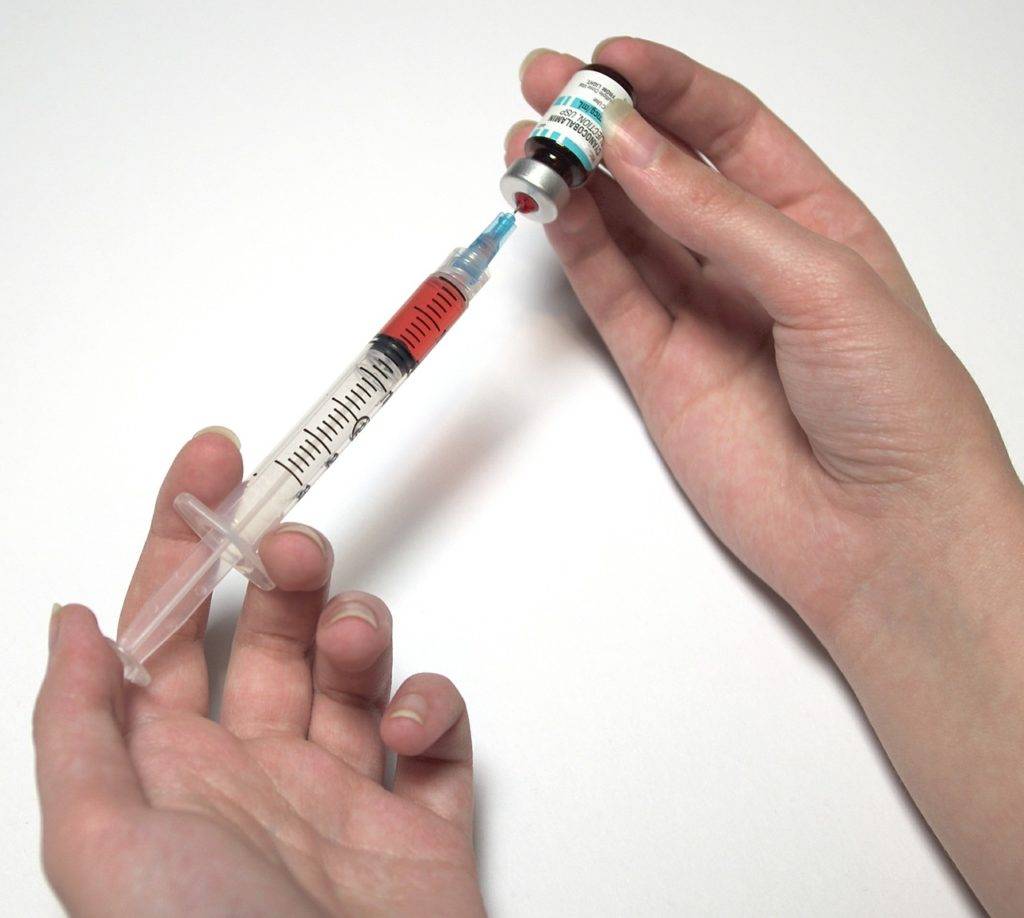
When your child gets a vaccine, it helps their body learn how to fight diseases. Sometimes, this process can cause a mild fever. A fever after a vaccine is usually normal, but it can still make your child feel tired, warm, or fussy. As a parent, you want to keep your child safe, calm, and comfortable.

This easy-to-read guide will show you the best, safest, and most trusted ways to manage fever after vaccination. This guide also follows the supportive, family-friendly style used at Omega Pediatrics, where we care deeply about your child’s health and comfort.
What Causes Fever After Vaccination? Understanding This Normal Reaction
A fever is a higher-than-normal body temperature. It usually means the body is fighting off an infection or building protection. After a vaccine, the immune system begins to fight germs. This “practice” can create warmth or fever. It is usually mild and lasts only 1–2 days.
Think of a vaccine like a coach teaching your child’s immune system how to defend against a game. The small temperature rise just means the body is paying attention, working hard, and learning what to do.
When Is a Post-Vaccine Fever Considered Normal?
Most fevers after vaccines fall between 99°F and 102°F. A mild fever is the body’s natural way of learning and growing stronger. The symptoms are temporary and usually resolve on their own. If your child continues to play, responds to you, drinks fluids, and rests, these are good signs. Post-vaccine fevers may come with:
- Tiredness
- Fussiness
- Mild body aches
- More crying than usual
- Less appetite
Safe and Powerful Best Practices for Managing Fever After Vaccination
Below are the most helpful and trusted steps you can take to keep your child comfortable while their body builds protection.
1. Keep Your Child Hydrated (One of the Most Important Steps)

Children lose more water when they have a fever, even if they are not sweating. Hydration helps keep the fever from worsening their condition. Water helps the body stay balanced and fight fever symptoms. If your child refuses water, try popsicles, broth, or crushed ice.
Easy ways to help:
- Offer cool water often
- Breastfeed or bottle-feed more frequently
- Use oral rehydration drinks if recommended by your doctor
2. Dress Your Child in Light Clothing for Comfort

Many parents make the mistake of bundling up a child with a fever, thinking it will help alleviate the symptoms. The goal is to keep your child comfortable—not hot or shivering. Too much warmth can raise their temperature even more.
Better choices include:
- A soft t-shirt
- Cotton pajamas
- A light blanket if needed
3. Use Cool Compresses for Quick Relief

A cool compress is simply a damp washcloth placed on your child’s forehead, chest, or legs. This helps lower body temperature gently. This method feels soothing and helps many children relax.
To do this safely:
- Use room-temperature water
- Avoid using ice—it’s too cold
- Apply for 10–15 minutes at a time
4. Give Fever-Reducing Medicine Only as Directed
 Medicines like acetaminophen (Tylenol) or ibuprofen (Motrin) can help reduce a fever and ease discomfort. Never give aspirin to a child because it can be dangerous. If you’re not sure what dose to give, call your child’s pediatrician for guidance
Important steps:
- Use the correct dose for your child’s weight
- Use the provided measuring tool
- Do not give medicine too often
- Do not “stack” fever medicines unless your doctor says it’s OK
5. Let Your Child Rest and Sleep More Than Usual

Sleep is one of the best tools for healing. A child’s body works hard when it’s building immunity, so extra rest helps the fever go down and helps them feel better faster. A peaceful environment helps the body to recover. During this time:
- Limit screen time
- Keep the room quiet and calm
- Allow extra naps
6. Watch for Any Unusual Symptoms (A Key Safety Step)
Most fevers after vaccination are normal. It’s essential to know when something needs medical attention. The signs below are not common, but knowing them helps keep your child safe. Call your pediatrician if you notice:
Same-day and next-day appointments available.
- A fever over 104°F
- Fever lasting more than 48 hours
- Trouble breathing
- Seizures
- Severe rash
- Extreme weakness
You can also review this related article from Omega Pediatrics for more guidance on when children need urgent evaluation: Febrile Episodes in Children: A Comprehensive Exploration of Fever-Related Issues
7. Comfort Your Child With Calm, Reassuring Care
 7. Comfort Your Child With Calm, Reassuring Care
Emotional comfort is just as important as physical care. A child who feels worried or scared may feel their symptoms more strongly. Your presence has a calming effect that medicine cannot replace. Help them feel safe by:
- Sitting with them
- Reading a book together
- Holding or rocking them
- Giving extra hugs
Are Fevers After Vaccines Dangerous? Understanding the Safety
Most of the time, fevers after vaccination are mild, short-lived, and harmless. They are signs that your child’s immune system is working the way it should. Doctors and scientists test vaccines very carefully before they are approved. Millions of children safely receive vaccines every year.
A mild fever is a normal and temporary side effect—not a danger.
You can learn more about how pediatricians view vaccine reactions in this related article from Omega Pediatrics: The Vital Role of Routine Vaccinations for Children’s Health and Herd Immunity
How to Help Prevent Fever From Getting Worse
While you can’t always stop a fever from happening after a vaccine, you can help prevent it from progressing. Maintaining calm after the appointment can make a big difference. Try these steps:
- Make sure your child is not overheated
- Keep them well-hydrated before and after the vaccine
- Let them rest instead of playing too hard
- Avoid long car trips right after vaccination if possible
- Do not give fever medicine before the immunization unless your doctor tells you to
How to Tell If Your Child’s Fever Is Getting Better
Watch for Lower Temperature Readings Over Time
- Take Temperatures at the Same Time Each Day: This helps you compare readings more clearly and spot small improvements.
- Use the Same Thermometer for Accuracy: Different thermometers yield varying readings, so using a single thermometer helps you track changes better.
- Look for a Drop of Even 0.5 Degrees: A small decrease still counts as progress and usually indicates that the fever is going down.
Notice If Your Child Becomes More Active and Alert
- Watch for More Smiles or Eye Contact: These subtle signs show your child is feeling brighter and more awake.
- See if They Want Their Favorite Toys: When children reach for toys again, it usually means they have more energy.
- Look for Fewer Long or Tired Pauses: Shorter quiet periods often mean the body is recovering.
Look for Better Eating and Drinking Habits
- Notice If They Ask for Drinks on Their Own: This is a positive sign that their appetite for fluids is returning.
- Offer Simple Foods and See What They Accept: Soft foods like applesauce or soup may show they are feeling well enough to eat.
- Check That They Stay Hydrated More Easily: Fewer signs of dryness (like dry lips) mean the fever is easing.
Check Whether Your Child Is Sleeping More Comfortably
- Look for Longer, More Peaceful Naps: Improved sleep usually means less discomfort from the fever.
- Notice Fewer Night Wakings: Sleeping through more of the night is a good sign that their body is calming down.
- Watch for Less Tossing and Turning: A still, quiet sleeper is often a recovering child.
Pay Attention to Reduced Fussiness and Crying
- See If They Settle Down More Easily: When comforting becomes easier, it often means the fever is fading.
- Watch for More Interest in Play or Interaction: Children who feel better often want to engage again.
- Notice When Crying Episodes Grow Shorter: Shorter or fewer crying spells are strong signs of recovery.
Why Rest Matters So Much After Vaccination

Rest is one of the most important ways to help your child feel better after a vaccination. When the body gets a vaccine, the immune system begins working hard to learn how to protect against germs. This “training process” uses a lot of energy, which can make your child feel tired, slow, or less playful than usual.
Giving your child time to rest helps their body focus on building strong protection. When children rest, their bodies can heal and recover faster. Sleep also helps lower fever, reduce fussiness, and ease body aches. Even short naps can make a big difference.
Rest gives the immune system the space it needs to function effectively. It also helps prevent symptoms from getting worse. For example, a child who is too active right after a shot may feel more sore at the injection site or become more fussy later in the day.
Quiet activities—like reading, coloring, or watching a calm show—allow their body to relax while still feeling comforted and entertained. Parents often feel tempted to keep the day “normal,” especially if the child wants to play.
However, encouraging gentle rest lets the body use its energy where it’s needed most: learning, recovering, and growing stronger from the vaccine.
When to Call Your Pediatrician Immediately
Always trust your instincts. You know your child better than anyone else, and if something feels “off,” it’s always OK to seek help. While most fevers after vaccination are mild and get better on their own, some symptoms can signal that your child needs extra care.
Contacting your pediatrician early can help keep your child safe and give you peace of mind. Below are the signs that mean you should reach out to your child’s doctor right away:
- Very high fever (over 104°F): A fever this high is outside the normal range for vaccine reactions. It can make your child feel very uncomfortable and may mean their body is working too hard. Your pediatrician can guide you on the next steps and help check whether something else might be causing the fever.
- Fever lasting longer than two days: Most post-vaccine fevers resolve within 24 to 48 hours. If the fever lasts longer than two days, it may no longer be related to the shot. This can be a sign of another illness, such as an infection, that needs medical attention.
- Severe vomiting: Vomiting that happens once is usually not serious, but repeated or forceful vomiting can quickly lead to dehydration. Dehydration means the body does not have enough water, which can worsen the fever. If your child is unable to keep down fluids, it’s important to call your doctor.
- A rash that spreads quickly: Some mild redness near the injection spot is normal. However, a rash that spreads rapidly across the body, grows quickly, or looks unusual may be a sign of an allergic reaction or another condition. Your pediatrician can ensure that your child is safe.
- Acting very sleepy and hard to wake up: Feeling tired is a normal symptom of a fever. However, if your child is extremely sleepy, confused, or difficult to wake, this may be a sign that they require immediate care. These symptoms may indicate that the fever is affecting them more strongly than expected.
- Constant crying that won’t stop: It’s normal for some children to cry after a shot, especially if their arm is sore or they feel warm. However, nonstop crying, especially high-pitched crying, can be a sign of pain or discomfort that warrants investigation. If your child cries for a long time and you cannot comfort them, call your doctor.
- Trouble moving an arm or leg: Soreness at the injection site is normal. A child should still be able to move the arm or leg. If they refuse to move it at all, cry when you touch it, or hold it stiffly, this can mean the area is more irritated than usual. Your pediatrician can help figure out why this is happening

Help Your Child Feel Better After Their Shot
A fever after vaccination can feel scary, but it is usually a normal part of building a strong immune system. By following these best practices, you can help your child feel better, rest more easily, and recover more quickly. You’re not just caring for your child—you’re helping them stay healthy for life.
With calm steps, smart care, and trusted guidance, you can handle post-vaccine fever with confidence. If you ever feel unsure, your pediatrician and the caring team at Omega Pediatrics are here to help.