
Hepatitis B is a liver infection caused by a strong and sneaky virus called HBV. This virus can slowly harm the liver over many years if left untreated. But there is good news. Two amazing tools—vaccines and antiviral medicines—can help protect the liver and reduce the chances of scary health problems.

This guide will explore how these treatments work and why they are so important for children, teens, and adults. This post is written in a friendly, easy-to-read style, just like the helpful content you see on Omega Pediatrics, where families go for trusted health support.
Understanding Hepatitis B: What Every Family Should Know
Hepatitis B is a virus that attacks the liver, the organ that cleans your blood and helps your body digest food. When the liver is hurt, it cannot do its job well. That can make a person very sick. Many people get Hepatitis B without knowing it.
The hepatitis B virus can pass from mother to baby during birth, through blood, or through unsafe needles. Some people get well on their own. But others keep the virus for a long time. This is called chronic hepatitis B (chronic means “long-lasting”). Chronic Hepatitis B can lead to:
- Liver scarring (called fibrosis)
- Cirrhosis (serious liver damage)
- Liver cancer
- Liver failure
These problems sound very scary. But families have two powerful ways to stay safe: vaccination and antiviral treatment.
Vaccination is One of the Most Powerful Tools Against Hepatitis B
Vaccines are like tiny superheroes inside your body. They train your immune system (defense team) to fight a virus before it can cause real harm. The hepatitis B vaccine is one of the safest and most effective vaccines ever made. Babies usually receive it at birth, and it has helped millions of children grow up protected.
How Hepatitis B Vaccine Works (Explained)
The vaccine contains a harmless part of the virus. It cannot make you sick. Instead, it teaches your body to create antibodies, which are special proteins that act like guards. These guards remember the virus forever. If the real virus ever enters the body, the antibodies attack fast.
This quick attack prevents infection. And if someone never gets infected, they never develop liver complications later in life.
Amazing Impact of Vaccination on Long-Term Liver Health

Vaccination is powerful because it protects the liver before any damage can happen. This is why doctors want babies to get the vaccine at birth. When a person is vaccinated:
- They are 95% protected from infection.
- They have almost zero chance of developing chronic hepatitis B.
- They avoid liver damage and liver cancer linked to the virus.
- They help protect the community by stopping the virus from spreading.
If you want to learn more about childhood health protection, you can read Omega Pediatrics’ helpful guide on child wellness visits: The Essential Guide to Well-Child Care Visits
When Prevention Isn’t Enough: Antivirals Are Life-Saving for Chronic Hepatitis B
Some people already have chronic hepatitis B. When this happens, antiviral medicines become the next best defense. Antivirals are medicines that slow the virus and reduce inflammation, leading to less swelling and less liver damage. They cannot eradicate the virus, but they can make it almost harmless.
Antivirals Work to Protect the Liver
Antivirals work by blocking the virus from copying itself. The virus needs to make copies to keep living in the body. If antivirals block the replication, the virus becomes weak. When the virus becomes weak:
- The liver stays healthier.
- The immune system has less work to do.
- The risk of liver scarring goes down.
- The risk of liver cancer becomes much lower.
Some antivirals used for hepatitis B include tenofovir and entecavir. Doctors choose the right medicine based on a person’s age, liver condition, and test results.
Early Treatment Makes a Huge Difference
The sooner antiviral treatment starts, the better the liver can heal. Many children and adults with chronic hepatitis B live long, healthy lives because of these medicines. Doctors often monitor the liver through blood tests, liver imaging, and follow-up visits.
These steps help them decide when treatment is needed and how well it is working.
Vaccination and Antivirals Work Together to Reduce Complication Risk
Here are the seven most important ways these two treatments work together to protect families and stop long-term liver problems.
1. Stop the Virus Before It Can Start (Prevention at Its Best)
 1. Stop the Virus Before It Can Start (Prevention at Its Best)
When someone gets vaccinated, their body already knows how to fight Hepatitis B. This prevents the infection from ever getting a start. No infection means no liver damage. It’s simple and incredibly effective. This form of prevention is one reason the hepatitis B vaccine is given at birth.
Vaccination at birth protects babies right away, especially if a mother carries the virus. Read this article for further insights: How Effective is the Birth Dose at Preventing Perinatal Transmission? and 4 Key Points if Your Baby Still Needs Hepatitis B Immune Globulin (HBIG) at Birth: An Empowering Guide for Parents
2. Lower the Amount of Virus in the Body
Antivirals reduce the number of active viruses in the bloodstream. When the virus level is low, there is less damage to liver cells. Over months and years, these dramatically lower the risk of liver scarring, cirrhosis, and liver failure. When the virus cannot attack the liver freely, the liver stays stronger.
3. Reduce Inflammation That Can Lead to Scarring
Inflammation is swelling inside the body caused by the immune system trying to fight the virus. If inflammation persists too long, it can lead to scarring (fibrosis). Scars do not heal well, and too many scars can ruin the liver. Antivirals reduce inflammation.
Vaccination prevents inflammation altogether. Working together, they keep liver tissue healthy and soft instead of stiff and scarred.
Same-day and next-day appointments available.
4. Prevent Cirrhosis, One of the Most Serious Liver Problems
Cirrhosis is advanced liver scarring. When the liver becomes hard and bumpy, it cannot clean the blood or make important body chemicals. Vaccination prevents the virus that causes cirrhosis, and antivirals slow down the scarring process in people who already have chronic hepatitis B–lowering the chance of organ failure.
5. Reduce the Risk of Deadly Liver Cancer
Long-term hepatitis B infection is a major cause of liver cancer. When the virus attacks liver cells repeatedly, those cells become damaged and may turn into cancer cells over time. By preventing infection or slowing virus activity, antivirals and vaccines help keep liver cells healthy. This greatly reduces the risk of liver cancer.
6. Protect Babies and Young Children from Chronic Infection
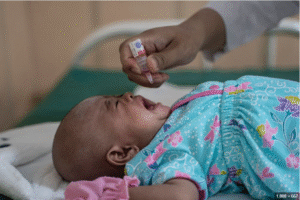
Babies who get hepatitis B are more likely to develop chronic infection than adults. Their immune systems are still learning how to fight viruses. That’s why the vaccine at birth is so important. Once vaccinated, a baby is almost completely safe from developing chronic liver problems later in life.
For more guidance, Omega Pediatrics has great articles on this topic. Check them out: Newborn Care: The Omega Pediatrics Way and Hepatitis B Vaccine at Birth is Non-Negotiable for 4 Reasons (Like a Seatbelt for Your Baby’s Liver)
7. Keep the Whole Community Safe
When more people get vaccinated, the virus has fewer places to hide. This protects people who cannot receive the vaccine due to medical reasons. Antivirals also help stop the spread by lowering the virus in the bloodstream. Vaccination plus antiviral treatment make communities healthier, stronger, and safer.
How Parents Can Protect Their Children from Hepatitis B
Protecting your child from hepatitis B is simple, and it starts at birth. Here are steps families can take to stay safe:
- Ensure Your Child Gets the Hepatitis B Vaccine on Time: Your child’s doctor will give the vaccine at birth, 1-2 months, and 6-18 months. This series provides long-lasting protection.
- Ask for Hepatitis B Screening During Pregnancy: Pregnant women are tested for Hepatitis B. If the mother has the virus, doctors can give special treatments to protect the newborn right away.
- Keep Your Child’s Medical Appointments: Regular checkups help make sure your child remains protected and healthy. They also allow doctors to catch any liver issues early.
- Teach Kids About Safe Habits: Simple habits such as avoiding shared toothbrushes, razors, or anything with blood can help prevent infection.
What Adults Should Know About Antivirals and Monitoring
Many adults learn they have Hepatitis B by surprise—often during a routine checkup or a blood test for something completely unrelated. Because Hepatitis B can stay silent for years, it may not cause symptoms at first. That is why regular checkups matter so much.
If you or someone you care about has chronic hepatitis B, doctors may recommend antiviral medicine to help protect the liver. Antivirals don’t cure the virus, but they give the liver a much-needed shield, helping it stay strong and healthy over time.
Regular Testing Helps Doctors Track Liver Health
 To decide whether antiviral treatment is needed, doctors closely monitor liver function. Think of it like checking the oil and engine health of a car—you want to catch any problems early before they cause bigger damage. Here are the main tests doctors use and what each one means:
• ALT Levels
ALT is a liver enzyme. Enzymes are tiny helpers in the body. When ALT levels are high, it can be a sign that liver cells are getting hurt or inflamed. Tracking ALT over time helps doctors understand how active the virus is.
• HBV Viral Load
This tells doctors how much Hepatitis B virus is in the blood. A high viral load means the virus is replicating rapidly and could damage the liver. A low viral load means the virus is quiet or well-controlled.
• Liver Ultrasound
This is a simple, painless scan that creates pictures of the liver. It helps doctors check for swelling, scarring, or early signs of liver cancer. Regular ultrasounds are important because liver problems can sometimes grow without symptoms.
• Fibrosis Score
Fibrosis means scarring inside the liver. A fibrosis score indicates the extent of scarring that has occurred. The higher the score, the more damage there may be. Doctors use this number to decide whether to start antivirals right away.
Together, these tests give a full picture of liver health. Doctors usually repeat them every 6–12 months, sometimes more often if needed.
Antivirals Are Safe and Effective When Taken Regularly
Antiviral medicines for hepatitis B are some of the safest long-term treatments available. They usually come in the form of a once-a-day pill, which makes them easy to take consistently. Here’s what makes antivirals so helpful:
- Lower the Amount of Virus in the Body: When the viral load drops, the virus causes less harm. This protects liver cells and helps prevent long-term damage.
- Reduce Inflammation: Less inflammation means less scarring and a lower chance of cirrhosis.
- Lower the Risk of Liver Cancer: Keeping the virus under control helps protect liver tissue from constant injury.
- Help People Live Long, Healthy Lives: With regular treatment and monitoring, many adults with chronic Hepatitis B live completely normal lives.
The Importance of Staying on Treatment
One common mistake is stopping antiviral medicine too soon. Even if a person feels great, the virus may still be active. When antivirals are stopped suddenly:
- The virus can “wake up.”
- Inflammation can return
- The liver can become damaged quickly
This is why doctors carefully decide when to start and when to stop treatment. It’s always a team decision between you and your healthcare provider.
Monitoring + Antivirals = Strong Long-Term Protection
When adults follow recommended testing and stay consistent with antiviral medicine, the chances of serious liver complications drop sharply. The liver stays healthier, stronger, and better able to do its job. For many families, consistent care means peace of mind—and that is one of the greatest protections of all.
Vaccination and Antivirals Offer Hope, Safety, and a Brighter Future

Keeping your family safe from hepatitis B does not have to feel scary or confusing. When we break the science into simple steps, the message becomes clear: vaccination and antiviral treatment give children and adults a real chance to stay healthy for life.
These tools work quietly in the background—building immune strength, lowering virus levels, and protecting the liver from long-term harm. What makes this so powerful is that parents can take action today.
A quick vaccine at birth, regular checkups, and early treatment when needed can change a child’s future in the strongest, most hopeful way. Every step you take now helps protect your child’s liver years down the road. And when a whole community chooses protection, everyone becomes safer together.
At Omega Pediatrics, we believe healthy families grow from informed choices and strong support. With the right tools, guidance, and care, your child’s body can stay resilient, strong, and ready for a bright future. And that is something worth celebrating.