Yellow skin or yellowing of the eyes in a newborn is often caused by jaundice, and mild jaundice is common in the first days of life. The most important question is whether the bilirubin level is staying in a safe range and whether your baby is feeding and waking well.
This guide explains what newborn jaundice looks like, when it is expected, and when a baby should be checked sooner.
📅 Book an Appointment
Same-day and next-day appointments available.
Quick Answer
- Mild newborn jaundice is common
- Bilirubin level matters more than color alone
- Feeding and wet diapers are important clues
- Call sooner if: yellowing is worsening, your baby is hard to wake, or feeding is poor
Jaundice: A Common Newborn Concern
What is Jaundice?
Symptoms: What to Look For
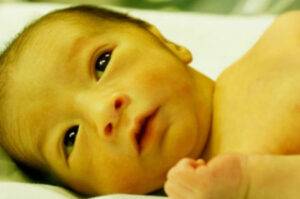
- Yellow Skin: Starting from the face and spreading downward.
- Yellow Eyes: The whites may appear yellow.
- Lethargy: The baby may seem less active.
Causes: Why Does it Happen?
- Liver Immaturity: The newborn liver may not be fully functional.
- Breastfeeding Issues: Can occur if the baby isn’t getting enough milk.
- Blood Incompatibility: Between the mother and baby.
Treatment: Clearing the Yellow
- Phototherapy: Special lights break down bilirubin.
- Supplemental Feeding: To help pass bilirubin through stools.
- Medical Treatment: In severe cases, like blood transfusions.
Next Steps
If you find this information beneficial and wish to stay updated on children’s health topics, consider subscribing to our newsletter. If you’re concerned about jaundice in your newborn, feel free to book an appointment with Dr. Michael Nwaneri. We’re here to offer expert advice, no obligations.