 When you bring home your new baby, you want to feel calm, confident, and protected. But sometimes parents sense something’s not quite right—and when it comes to your newborn’s immune system (the body’s built-in defense “army”), being alert early can make a big difference.
This post will include the key signs of immune problems in newborns, what they mean, how doctors check for them, and what parents can do to help keep their baby strong and healthy.
🌿 Understanding Your Baby’s Immune System
How the Immune System Develops in the First Year

Your baby’s immune system starts working even before birth, but it’s not yet fully ready to fight germs on its own. This is why babies tend to get more colds and infections during their first year. It’s all part of building immunity.
- At birth, babies rely on antibodies passed from their mother through the placenta.
- Breast milk adds more antibodies (especially IgA), helping protect against germs that cause diarrhea and colds.
- By 6 months, your baby begins making more of their antibodies.
- By age 1, the immune system is much stronger—but still learning.
💉 What Causes Weak Immune Systems in Newborns?
A baby can have immune issues for several reasons:
- Inherent: Their own immune cells and organs (white blood cells, thymus, and lymph nodes) are still maturing.
- Genetic (Primary Immunodeficiency)—Inherited conditions or genetically based immune problems in which the immune system is weak from the start. Parts of the immune system don’t work properly (like Severe Combined Immunodeficiency or SCID).
- Premature Birth—Preemies often have lower white blood cells and fewer antibodies.
- Infections During Pregnancy—Some infections can affect immune development.
- Nutritional Deficiency—Lack of vitamins (especially A, D, and zinc) can make babies more vulnerable (secondary immunodeficiency).
- Environmental Factors—Smoke, pollution, or chronic stress in caregivers can also affect a newborn’s defense system.
Because of this, frequent, severe, or unusual infections in a newborn may be a warning sign.
🚨 Why Early Detection of Immune Problems Matters
 🚨 Why Early Detection of Immune Problems Matters
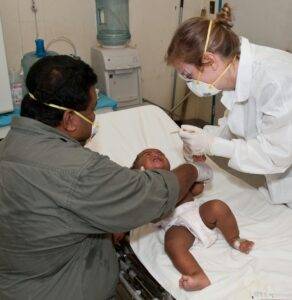
Catching immune issues early can save lives. Babies with untreated immune deficiencies are at risk for severe infections that don’t respond well to medicine. Early diagnosis, such as Severe Combined Immunodeficiency (SCID), saves lives because appropriate treatment (stem cell transplant) can completely cure some babies.
When immune issues aren’t addressed or go unnoticed, infections can become chronic, affecting organs, growth, development, or even be life-threatening.
Parents who watch closely and act fast give their babies the best chance at thriving. Monitoring for signs means you’re acting proactively, not just waiting for a serious problem to occur.
✅ Top Signs of Possible Immune Problems in Newborns
Each sign alone doesn’t always mean something serious, that is, that your baby has an immune disorder. But together, these are red flags that can help you and your pediatrician spot a pattern.
1. Frequent or Unusual Infections
- Baby has more ear infections, pneumonia, and sinus or lung infections—or those infections caused by rare germs—than are typical for their age.
- Infections caused by organisms that normally do not make healthy babies very sick (so-called “opportunistic infections”) may signal a deeper problem.
- Example: A newborn who struggles with recurring skin or internal organ infections.
Normal babies might get a few mild infections per year, but frequent hospital-level illnesses deserve attention.
2. Long-Lasting Illness or Slow Recovery

- A cold, cough, fever, or rash that drags (lasts longer) or improves, then keeps coming back, might show the immune system isn’t fighting effectively.
- Needing antibiotics for longer than usual or multiple courses, or not working at all.
- In newborns, even small deviations matter because their immune systems are still building.
3. Failure to Thrive (Poor Growth)
- Baby isn’t gaining weight or length as expected; it falls off the growth charts.
- Growth delay is a common sign in children with immune issues.
- If your baby eats and sleeps reasonably well but still isn’t growing, immune stress could be a sign to flag.
4. Persistent Gastrointestinal Issues (Diarrhea or Tummy Problems)
- Chronic, recurrent diarrhea (loose stools), vomiting, or intestinal infections.
- Poor digestion or digestive tract problems can signal immune or gut issues since 70% of the immune system lives in the digestive tract.
5. Skin, Mouth, or Fungal Infections That Keep Coming Back
- Recurrent thrush (yeast in the mouth or diaper area) or fungal infections.
- Persistent eczema, rashes, and fungal skin infections that don’t respond as expected.
- Mouth ulcers, slow-healing wounds, or chronic skin issues.
- These medical conditions suggest the body isn’t keeping normal yeast under control.
6. Unexplained Fevers, Swollen Glands, or Enlarged Spleen
- Fever without an obvious cause, or repeated fevers.
- Enlarged lymph nodes (swollen glands) or an enlarged spleen (less common in newborns but possible).
Fever is the body’s way of fighting germs. But frequent, unexplained fevers warrant further testing. These signs might reveal that the immune system is under significant stress.
7. Serious Infections Early in Life (Newborn Period)
 7. Serious Infections Early in Life (Newborn Period)
- Newborn has pneumonia, sepsis (blood infection), and meningitis early on.
- For instance, SCID often presents in the first 6 months.
- If your baby was unexpectedly very sick for a “normal” bug, ask why.
8. Family History of Immune Disorders
- If there’s a sibling or a close relative with a known immune deficiency, your baby could be at higher risk.
- Many primary immune disorders are inherited.
- You may not have thought of “immune system” before, but it’s worth mentioning to your doctor. Always share your family history with your pediatrician.
9. Abnormal Results on Newborn Screening Tests (Low or Missing Antibodies or Immune Cells)
- Many states have newborn screening panels for immune disorders like SCID via the TREC blood test.
- If your baby’s doctor mentions abnormal immune labs, take it very seriously.
10. Prematurity, Low Birthweight, or Other Risk Factors
- Premature babies or babies born with very low weight often have less mature immune systems.
- While this doesn’t guarantee an immune disorder, it does raise the need for close monitoring.
🛠️ What to Do if You Spot One or More Signs
Step 1: Talk with your paediatrician promptly
- Make a note of how often, how long, and how severe the infections or symptoms have been.
- Mention any family history of immune issues, even distant.
- Ask whether immune system screening might be appropriate (blood tests, referral to an immunologist).
Step 2: Keep good records
- Maintain a log of infections (dates, types, and duration), growth (weight/length/head circumference), feeding/sleeping patterns, and any unusual symptoms.
- This data helps your doctor see trends rather than one-off events.
Step 3: In the meantime, support the immune system

Even while working with your doctor, you can adopt good habits:
- Ensure your baby is up to date on immunizations (vaccines help build protection). For example, Omega Pediatrics emphasizes following the schedule of newborn immunizations.
- Practice good hygiene: handwashing, avoiding contact with sick people, and a smoke-free environment.
- Breastfeed (if possible) or ensure good nutrition: feeding both supports immunity.
- Ensure enough sleep, clean air, and a low-stress environment.
Step 4: When symptoms are urgent
🚨 When to See a Doctor or Specialist Right Away
Contact your pediatrician or go to urgent care if your baby has:
- A fever (especially under 3 months) over 100.4°F (38°C) or doesn’t respond
- Difficulty breathing, persistent coughing, or wheezing
- Poor feeding (refuses to eat for many hours) or fewer than 3 wet diapers in 24 hours
- Extreme tiredness or lethargy (very low energy)
- Blue lips, skin, or nails/fingertips
- Any infection that worsens instead of improving
- Unusual rash plus fever or other signs of infection
🩺 How Doctors Test for Immune Problems in Babies
Doctors start with a detailed history and physical exam, then may order:
- CBC (Complete Blood Count): Checks white blood cells, which fight infection.
- Antibody Levels (IgG, IgA, IgM): Shows how well the immune system is producing antibodies.
- T-Cell and B-Cell Counts: Detect missing or low immune cells.
- Genetic Testing: Helps diagnose specific immune disorders.
- TREC/KREC Newborn Screening: Identifies babies with SCID early.
If anything is abnormal, you’ll likely see a pediatric immunologist (a specialist in immune disorders).
Same-day and next-day appointments available.
🌞 Hope and Healing—Treatments for Immune Disorders in Babies
 🌞 Hope and Healing—Treatments for Immune Disorders in Babies
If your baby is diagnosed with an immune disorder, don’t panic. Many children with early diagnoses live completely normal lives. Treatments today are effective and improving every year:
- Antibiotic therapy to prevent or treat infections
- Immunoglobulin (IVIG) therapy to replace missing antibodies
- Stem-cell transplantation for severe genetic immune deficiencies (like SCID)
- Nutritional and vitamin support for mild immune deficiencies
🌿 How to Naturally Support Your Baby’s Immune System
You can’t “boost” a baby’s immune system overnight, but you can support it safely:
- Breastfeed if possible. Breast milk passes antibodies and immune factors.
- Stay on schedule for vaccines. Vaccinations train the immune system to fight dangerous germs.
- Maintain clean surroundings. Wash hands, disinfect baby items, and avoid exposure to smoke.
- Ensure good nutrition. Formula or breast milk should be your baby’s main source of nutrition.
- Keep a calm environment. Babies thrive with low stress, good sleep, and bonding time.
👉 Learn more about newborn wellness in this article: Newborn Care: The Omega Pediatrics Way
❤️ The Role of Parents in Early Detection
You are your baby’s best observer. Keep a simple health journal: note down infections, doctor visits, medications, and symptoms. If you notice patterns—like infections happening every few weeks or slow recovery—bring this record to your pediatrician.
Early testing leads to early solutions. Many babies with mild immune issues do very well with medical care and home support.
👩⚕️ How Omega Pediatrics Helps Families Stay Informed
At Omega Pediatrics, families get the guidance, education, and follow-up care they need to help babies grow healthy and strong. They focus on:
- Early detection through regular well-baby visits
- Immunization planning
- Parental education about infection prevention
- Personalized growth tracking
👉 You can also explore Preventing Respiratory Infections in Babies: A Complete 360-Degree Approach for step-by-step prevention strategies.
💡 Why You Should Feel Empowered, Not Fearful
Building Confidence While Being Alert
 Building Confidence While Being Alert
- The goal is awareness, not panic. Many babies have mild infections and are perfectly fine.
- If you catch a potential issue early, you open the door to evaluation and treatment—not wait until it becomes serious.
- You’re your baby’s best advocate. Understanding signs lets you speak confidently with your doctor.
Trust the Expert Advice
- Reputable sources confirm that repeated, deep, or atypical infections are key red flags for immune problems.
- Many immune disorders are treatable—some even curable—if detected early.
❓ Frequently Asked Questions
Q1. My baby catches every cold—does that mean an immune disorder?
Not necessarily. Newborns and infants are more prone to infections because their immune systems are just building. It becomes concerning when the infections are very frequent, persistent, difficult to treat, or unusual for the age. Refer to the red flags list above.
Q2. Should I ask for immune testing even if my baby seems okay?
If there are warning signs (as listed above) or a family history, testing may be recommended. But routine immune screening in completely healthy babies is not typical in many settings. Your pediatrician or immunologist will guide based on the level of concern.
Q3. Can nutrition or “boosters” fix immune problems?
Good nutrition, sleep, and a supportive environment help baby’s immune system. But if there’s a true immune disorder, more specialized treatment (for example, immunoglobulin therapy or stem cell transplant) may be required. Nutrition alone is not enough.
Q4. What about newborn screening for immune problems?
Yes. In many places, newborns are screened for conditions like SCID using the TREC test (which checks T-cell receptor excision circles). If the screening is positive, further evaluation is urgent.
Q5. What can I do to keep my baby’s immune system strong?
Keep vaccines up to date, and ensure proper feeding, good sleep, and clean surroundings.
📝 Be Empowered—Give Your Newborn the Best Start
Your baby’s immune system is still getting built. It’s still learning. While some infections are simply part of growing up, the key is patterns: when things are frequent, severe, unusual, or slow to resolve, it’s time to check. Use the “10 powerful signs” list above as your guide.
Keep your doctor in the loop, track what you observe, and maintain solid health habits in the meantime. Being alert today doesn’t mean guesswork. Awareness isn’t fear—it means empowered parenting. You’re giving your newborn the best start by being informed, observant, and proactive.
Note: This article is for educational purposes and written in simple language. Always talk to your pediatrician about your baby’s unique situation.