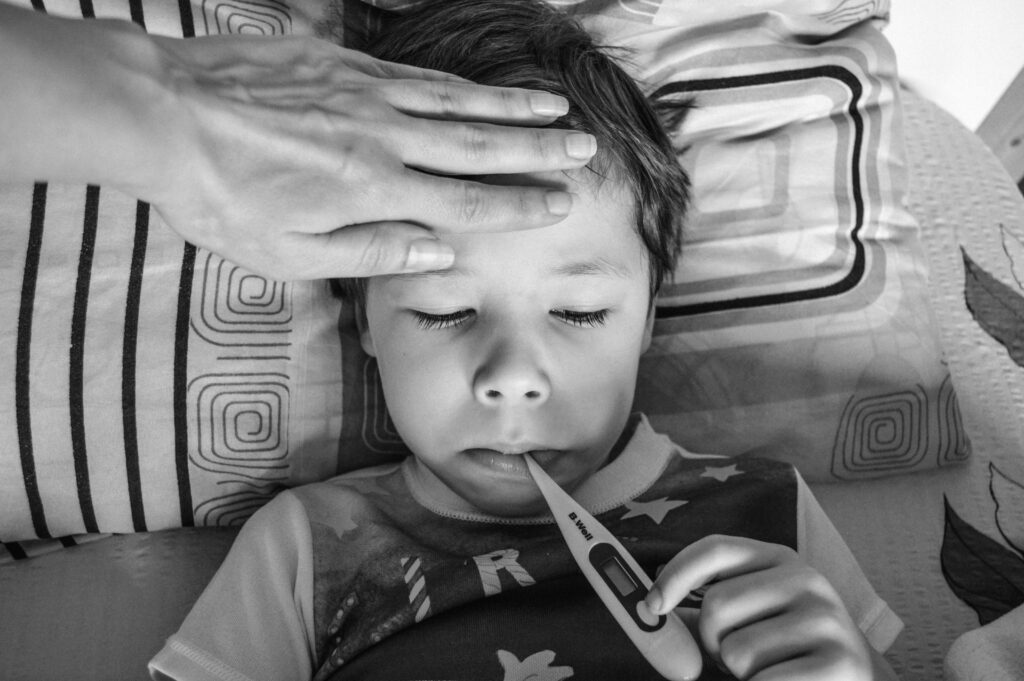
When your child has a fever, it can be a scary and stressful experience. One of the most powerful and calming things you can do to help them recover is also one of the simplest: keep them well-hydrated.
Quick Answer
Hydration matters during a fever, but the first question is whether your child actually has a fever and how they are acting. Trouble breathing, severe lethargy, dehydration, or age under 3 months can change what to do next.
Although hydration may seem basic, it plays a significant role in how well and how quickly kids recover from illness.
This guide explains why water is so crucial during a fever, how dehydration slows recovery, and what parents can do at home to protect their child’s health. You’ll also find helpful lists, tips, and explanations along the way.
Hydration Plays a Big Role in Fever Recovery
Keeping your child hydrated during a fever is not just a “good idea.” It is a vital part of the healing process. A fever raises the body’s temperature to fight germs, but this also causes the body to lose more water than usual.
When kids don’t drink enough, their bodies struggle to fight illness, keep energy levels up, and stay safe. Below, we break down everything parents need to know.
What Happens Inside the Body During a Fever? (Simple Explanation)
A fever happens when the body’s “thermostat” (a part of the brain called the hypothalamus) turns up the temperature to fight off germs like viruses or bacteria. Here’s what changes inside the body:
- Fever Makes the Body Use More Water: When your child’s temperature rises, their body heats up. To cool down, the body sweats more—even if you don’t see it. Every drop of sweat is water leaving the body.
- Breathing Becomes Faster: When kids have a fever, they breathe faster. Fast breathing sends more warm air out of the body, resulting in the loss of more water vapor with every breath.
- Fever Speeds Up the Metabolism: Metabolism refers to the rate at which the body uses energy. Fever causes the body to work harder, so it uses up more fluids to keep organs working correctly.
When all these things happen at once, the body loses water much faster than normal. That’s why hydration becomes a crucial part of care.
Why Hydration Is So Important During Fever Recovery
Hydration plays several essential roles during the body’s fight against illness. Below are the biggest reasons water helps your child recover faster, feel better, and stay safe.
1. Hydration Keeps the Body Temperature Stable

Water helps the body regulate temperature. Without sufficient water, the body overheats more easily, which can prolong the duration of the fever. When a child has a fever, staying hydrated helps:
- Cool the body naturally
- Prevent higher spikes in fever
- Support safe sweating
2. Hydration Protects the Heart and Organs
Water keeps blood flowing smoothly. During a fever, the heart pumps faster. If there’s not enough fluid in the body, the heart has to work even harder, which can strain the body during illness. Hydration also helps the kidneys filter waste and enables the liver to process germs more efficiently.
3. Hydration Prevents Dangerous Dehydration
Dehydration can develop quickly during a fever. When dehydration becomes severe, children may need emergency care. Staying hydrated helps prevent that. Common signs include:
- Dry lips
- Dark yellow pee
- Fewer wet diapers (in babies)
- No tears when crying
- Sleepiness or irritability
4. Hydration Helps Medications Work Better
Fever reducers, such as acetaminophen and ibuprofen, work most effectively when the body has enough water. Hydration helps the body absorb medication and break it down safely.
5. Hydration Replaces the Fluids Lost During Fever Sweats
Even if your child does not look sweaty, their body is still losing fluid. Water acts like fuel, allowing the body to keep fighting germs.
How to Keep a Child Hydrated When They Have a Fever

One of the hardest parts of fever care is that sick kids often don’t want to drink. They may feel tired, cranky, or have a sore throat. These parent-friendly strategies can help.
Offer Fluids Frequently, Not All at Once
Think of hydration like watering a plant: small amounts more often is better. Give sips every 10–15 minutes rather than large drinks at once.
Give Kid-Friendly Hydration Options
Kids don’t have to drink only water. Many fluids help with hydration. Avoid sugary sodas and sports drinks meant for adults. Good hydration choices are:
- Water
- Electrolyte drinks for kids
- Coconut water
- Warm broth
- Ice pops
- Diluted fruit juice
- Oral rehydration solutions
Use Fun “Hydration Tools”
Kids drink more when they feel they have a choice. These small ideas make drinking more enjoyable for kids:
- Colorful straws
- Fun cups
- Ice cubes shaped like stars or animals
- Letting them choose between two drink flavors
Try High-Water Foods
If your child doesn’t want to drink, offer foods that contain a lot of water. These can help maintain hydration levels. Water-rich foods are watermelon, cucumber, applesauce, broth-based soups, peaches, oranges, and popsicles.
What Happens If Kids Don’t Drink Enough During a Fever
 Hydration is not just helpful—it is critical during a fever. When the body loses more water than it takes in, the symptoms of fever can become stronger and more uncomfortable. Dehydration also makes it harder for the body to fight the infection, which in turn causes the fever in the first place.
Below are the biggest risks, explained in parent-friendly language.
🙃 Longer Fevers
Same-day and next-day appointments available.
When a child doesn’t drink enough, the body has a much harder time cooling down. Water helps regulate body temperature by allowing the body to sweat and release heat. Proper hydration helps the body return to its normal temperature faster. Without enough water:
- The body can stay overheated
- Fever may continue longer than it normally would
- Temperature changes may be harder to manage
🙃 Higher Fever Spikes
Sweating is the body’s natural cooling system. However, sweating only works when the body has enough fluid to produce sweat. Dehydration can worsen the child’s condition, making it more uncomfortable, and it can make the fever seem harder to control. If your child is dehydrated:
- The body cannot create enough sweat
- Heat gets trapped inside
- Fevers may spike suddenly
🙃 More Fatigue and Weakness

Water is like fuel for the body’s cells. Every body organ—the heart, brain, and muscles—needs water to function properly. This added weakness can make it harder for them to recover because the body must use more energy to function without enough fluids. When kids are dehydrated during a fever, they may:
- Feel extra tired
- Have low energy
- Feel dizzy when standing
- Want to sleep more than usual
🙃 Trouble Fighting the Illness
The immune system works best in a well-hydrated body. White blood cells (the cells that fight germs) move through the bloodstream and lymph system—which are mostly water. Hydration keeps the immune system strong and active during a fever. When a child is dehydrated:
- White blood cells can’t travel where they need to
- Nutrients don’t move well through the body
- Germ-fighting cells work more slowly
- Recovery takes longer
🙃 Risk of Hospitalization
If dehydration becomes severe, it is no longer something that can be fixed at home with simple sips of water. In these cases, children may need IV fluids to replace what was lost and help their bodies stabilize. Severe dehydration can cause:
- Very dry mouth
- No tears when crying
- Very few wet diapers or bathroom trips
- Extreme tiredness
- Fast breathing
- Sunken eyes
👉🏿 This is why hydration should be a central part of every fever care plan. Maintaining fluid levels throughout the day can help prevent emergency visits.
How Much Should Kids Drink During a Fever
Every child is different, so there isn’t one exact number of ounces that works for everyone. However, there are simple rules parents can follow to make sure their child is getting enough fluids to stay safe and recover well.
General Hydration Guide for Fevers
- Mild fever: Offer extra sips of fluid every hour. Small, steady drinks are easier on the stomach and keep the body balanced.
- High fever: Give more frequent sips every 10–15 minutes. You don’t need big gulps—tiny sips add up and help the body cool down.
These short, steady drinking breaks help replace the water your child is losing as their body fights the illness.
Signs Your Child Needs Even More Fluids
Your child may need additional hydration if they are:
- Sweating a lot: Sweating is a natural process by which the body cools itself, but it also removes water quickly.
- Breathing fast: Fast breathing expels warm, moist air from the body, leading to increased fluid loss.
- Vomiting: Throwing up removes both fluids and important minerals, so small, frequent sips are especially important.
- Having diarrhea: Diarrhea can dehydrate children fast, especially the little ones. Offer fluids often and watch closely for signs of dryness.
If your child refuses to drink, becomes very tired, or has fewer wet diapers or bathroom trips, contact your pediatrician.
Safe Hydration Mistakes Parents Should Avoid
These common mistakes can make recovery from a fever harder. Even when parents try hard to keep their child hydrated, some common mistakes can slow or make a recovery from a fever more uncomfortable. Knowing what to avoid can help you support your child’s healing as safely and easily as possible.
🤞🏾 Giving Only Juice
Juice is a good choice because it tastes sweet and kids often enjoy it. But juice alone is not the best hydration source during a fever. Here’s why:
- Juice has a lot of sugar, which can upset your child’s stomach.
- Too much sugar intake can also draw water into the intestines, potentially worsening diarrhea.
- Kids may fill up on juice and drink less water, which their body needs most during a fever.
A better choice: If your child really wants juice, consider mixing it with water using a 50/50 ratio (half water, half juice). This keeps the flavor without adding too much sugar.
🤞🏾 Giving Too Much Water at Once
When a child is dehydrated, it’s natural for parents to feel worried and offer large amounts of water all at the same time. But this can backfire. Large quantities of water absorbed too quickly can:
- Make the stomach feel full or stretched
- Lead to nausea or vomiting, which causes even more fluid loss
- Make kids refuse more drinks because they feel uncomfortable
A better choice: Give small, frequent sips every few minutes. These small amounts are easier for the body to handle, and they can add up quickly. Think: “a little bit, many times,” instead of “a lot at once.”
🤞🏾 Using Adult Sports Drinks
 🤞🏾 Using Adult Sports Drinks
Adult sports drinks may be a good idea because they contain electrolytes. However, they are not made for children, especially during illness. These drinks were designed for adults engaging in intense exercise, not sick kids trying to recover from a fever. Adult sports drinks have:
- Too much sugar can upset the stomach
- Too much salt, which is unnecessary for most fevers
- Artificial colors and flavors that some children may not tolerate well
A better choice: Choose pediatric electrolyte drinks, kid-friendly oral rehydration solutions, or coconut water. These give the right amount of minerals without the extra sugar and salt.
Watch for Dehydration Signs Throughout the Day
Parents should closely monitor hydration, especially when fevers last more than a day. If these signs appear, encourage your child to drink more fluids and call your pediatrician. Look for:
- Dry mouth
- Strong-smelling pee
- Very sleepy behavior
- Complaints of dizziness
When Hydration Alone Is Not Enough
While hydration is powerful, some situations require medical help. Call your pediatrician right away if your child:
- Shows signs of dehydration
- Has had a fever for more than 3 days
- Is younger than 3 months with any fever
- Cannot keep fluids down
- Has very dry lips or no wet diapers for 8 hours
- Has trouble waking up
Moreso, here are red flags that require immediate care. Call your doctor if your child has:
- No urination in 8 hours
- Sunken eyes
- Very dry lips
- Rapid breathing
- Extreme sleepiness
If you live near an Omega Pediatrics clinic, you can schedule urgent appointments through their patient portal and receive guidance on supportive care for fever.
Make Hydration Your Most Powerful Fever Tool

When your child has a fever, it’s easy to feel worried or unsure about what to do next. But one of the most effective tools you have is also the simplest: keeping them hydrated.
Water supports every part of the body—cooling it down, helping organs function properly, removing germs, and giving the immune system the strength it needs to fight back. Hydration is gentle, safe, and something every parent can use at home.
Small sips, fun drinks, water-rich foods, and steady reminders can make a big difference in how quickly your child bounces back. The goal isn’t to force large amounts at once—it’s to offer steady, regular hydration throughout the day.
With the right support, the human body—especially a child’s body—is amazingly strong. A little extra water, comfort, and care can go a long way in helping your child feel better, heal more quickly, and return to their normal selves.
If you ever feel unsure or if your child shows signs of dehydration, the team at Omega Pediatrics is here to help. You can learn more about fever care and hydration by visiting our resource pages: