
As parents, caregivers, and teachers, we face a modern parenting challenge: screens are everywhere. Whether it’s tablets, TVs, or smartphones, children today are growing up surrounded by a wealth of video content. Many of these videos are fun, colorful, and even educational.
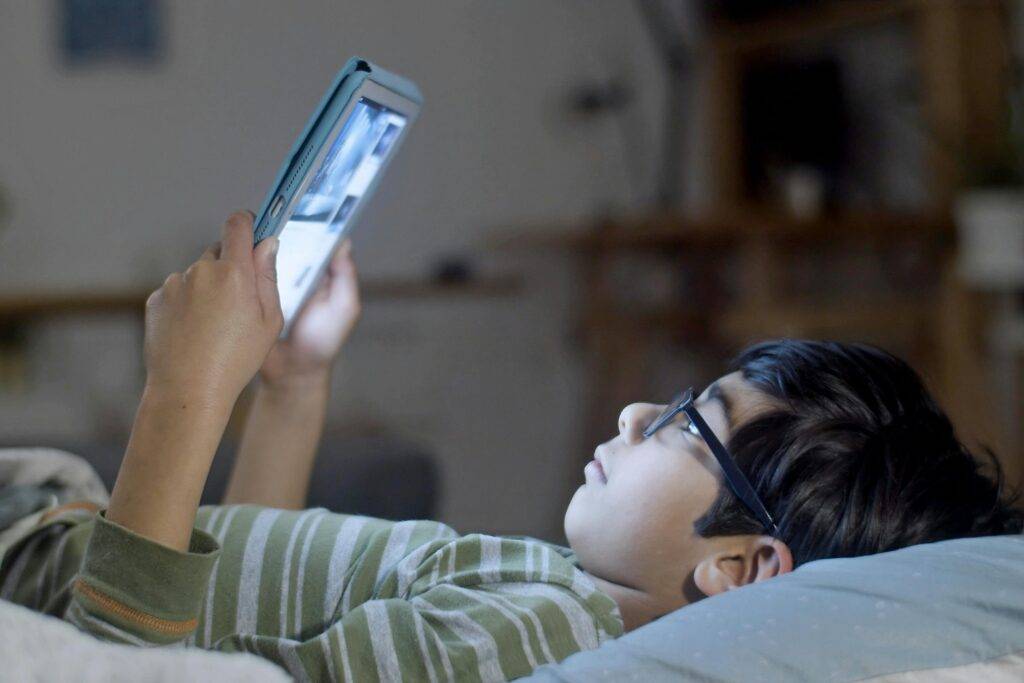
But here’s the big question: Is video watching the same as playtime? The short answer is no. Video watching and interactive play are not equal in the way they shape a child’s brain. While videos can entertain and sometimes teach, play creates deeper learning, stronger social skills, and healthier brain development.
This article will break down powerful differences between video watching and interactive play, explore what science says about brain development, and give you practical tips to help your child thrive in a world full of screens.
Video Watching vs Interactive Play: Why it Matters
It can be tempting to use video time as a quick way to keep children calm or entertained. After all, videos are easy—kids sit still, and you get a break. Research shows that too much video watching can lead to delays in language, weaker problem-solving skills, and less social confidence.
On the other hand, interactive play has been proven to:
- Build creativity
- Strengthen memory
- Improve attention span
- Boost emotional intelligence
- Encourage lifelong learning habits
So, while both videos and play have their place, they don’t affect the brain in the same way. Understanding this difference helps parents make smart choices about daily routines.
What Happens in the Brain During Passive Video Watching?
When a child watches a video, their brain is passively absorbing information. The screen gives them ready-made sights, sounds, and stories. The child does not need to respond, create, or problem-solve.
The One-Way Street of Learning
- Low mental effort: Kids don’t have to think deeply—they just receive.
- Shallow memory: They may remember catchy songs but not how to apply that knowledge in real life.
- Minimal brain activation: Only visual and auditory areas light up, leaving other regions less engaged.
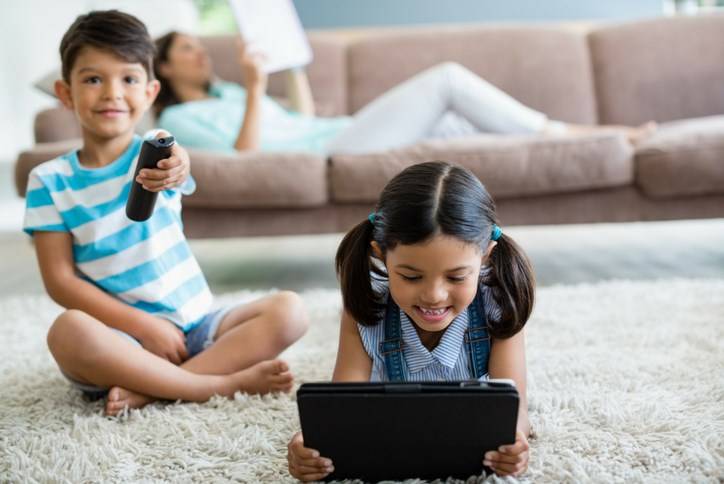
Think of it like eating candy: it’s enjoyable in the moment, but it doesn’t provide the brain with the “nutrients” it needs for growth.
What Happens in the Brain During Interactive Play?
Play is like a full-body workout for the brain. When kids engage in building, role-playing, or exploring, multiple brain areas light up and connect.
Play Engages Multiple Brain Regions
- Prefrontal cortex: Problem-solving and planning.
- Hippocampus: Memory and learning.
- Cerebellum: Movement and coordination.
- Amygdala: Emotion regulation.
Strong, repeated connections between these regions build neural pathways. The more kids play, the stronger and faster these brain “roads” become. This is why play is often the work of childhood—it’s how kids naturally build the foundations for lifelong learning.
Key Differences Between Video Watching and Active Play
Here are eye-opening reasons why interactive play is far more powerful for brain development than passive video watching:
1. Active Play Builds Stronger Neural Pathways
Neurons grow stronger when they “fire together.” Play demands more brain activity, which strengthens these connections. Video watching, by contrast, keeps pathways weak because little problem-solving is involved.
2. Play Develops Critical Thinking Skills
Stacking blocks, pretending to run a store, or solving a puzzle requires planning, predicting, and adapting—skills that video watching doesn’t provide.
3. Play Encourages Creativity
Videos offer finished stories. Play allows kids to invent their own worlds, encouraging originality and innovation.
4. Play Boosts Social and Emotional Growth
Sharing toys, negotiating turns, and solving conflicts during play help kids develop empathy and cooperation—skills no video can teach.
5. Play Strengthens Memory and Problem-Solving
Trial and error during play—like figuring out how to balance blocks—helps children remember what works. Watching a video doesn’t offer this same real-world feedback.
6. Play Enhances Motor Skills
Running, drawing, or building helps with both fine motor skills (small hand movements) and gross motor skills (large body movements). Watching video doesn’t engage the body in this way.
7. Play Encourages Real-Life Learning
Children learn best by doing. Pouring water, building with clay, or exploring outside teaches them cause and effect. Videos only show these experiences, not live them.
The Hidden Risks of Too Much Passive Video Watching
Too much passive screen time can put children at risk of developmental challenges. Research has linked heavy screen use with:
- Delayed language development (because kids miss chances to practice speaking)
- Attention problems (shorter focus spans)
- Weaker social skills (less practice with peers)
- Sleep disruptions (blue light interferes with melatonin)
- Increased anxiety (especially with overstimulating content)
📖 Want to learn more about how screen time affects health? Visit Omega Pediatrics’ blog on child development.
- Daily Screen Time for Children and Teenagers
- Screen Time is Not Playtime: 4 Reasons Why Real Play Matters for Kids’ Health
How Parents Can Encourage More Interactive Play
The good news? Parents can make small changes to shift kids from passive watching to active learning through play.
1. Set Clear Screen Time Limits: The American Academy of Pediatrics recommends:
- No screen time under 18 months (except video chat).
- 1 hour/day of high-quality programming for ages 2–5.
- Consistent limits for ages 6+.
2. Offer Open-Ended Play Materials: Give kids toys that spark imagination, such as
Same-day and next-day appointments available.
- Building blocks
- Dress-up clothes
- Play dough
- Art supplies
3. Join the Play: Even 15 minutes of playing pretend or building with your child helps build strong bonds and encourages richer play.
4. Encourage Outdoor Exploration: Nature is the ultimate classroom. Climbing trees, digging in the dirt, and watching bugs all boost creativity and problem-solving.
5. Swap Videos for Storytelling: Instead of a cartoon, read a story or create one together. This develops imagination while building language skills.
How to Balance Videos and Play the Healthy Way
Instead of cutting out videos entirely, aim for balance. Here’s a simple guide:
Step 1: Choose Quality Over Quantity: Pick shows that are educational, slow-paced, and encourage thinking (like science or nature shows).
Step 2: Make Videos Interactive: Pause the video to ask questions like
- “What do you think will happen next?”
- “How would you solve that problem?”
Step 3: Connect Video to Real Play: If your child watches a show about animals, encourage them to pretend to be a zookeeper afterward.
Step 4: Model Healthy Habits: Show your child that you also balance screen time with hobbies, exercise, and social interaction.
When Videos Can Be Helpful
Not all screen time is harmful. Interactive, high-quality content can complement learning when used in moderation. Examples include:
- Language-learning apps
- Video chats with family members
- Educational documentaries followed by related activities
🫰 The key is making sure screens supplement play, not replace it.
Expert Insights and Research on Play vs. Screens
- A study in JAMA Pediatrics found that children under age 5 with higher screen time had slower development in language and social skills.
- The American Academy of Pediatrics emphasizes that play is essential for cognitive, physical, social, and emotional well-being.
- Neuroscientists highlight that active play lights up multiple brain regions at once, creating stronger learning connections than passive watching.
🫰 This makes it clear: if you want your child’s brain to thrive, play must come first.
FAQ: Passive Video Watching vs. Interactive Play
How much screen time is too much for my child?
The American Academy of Pediatrics recommends the following. The goal isn’t zero screen time—it’s finding the right balance.
- No screen time (except video chatting) for babies under 18 months.
- 1 hour of high-quality screen time per day for kids ages 2–5.
- Consistent limits for children ages 6 and older.
Are educational videos good enough to replace play?
No. Even the best educational videos cannot replace the benefits of real-world play. Videos can support learning, but they don’t offer the hands-on experience, problem-solving, and social interaction that play provides.
What if my child learns a lot from YouTube or TV shows?
That’s great! Many kids pick up songs, letters, and fun facts from videos. But to make that learning stick, encourage your child to practice it through play. For example, if they watch a video about animals, give them animal toys and ask them to create a pretend zoo.
Does interactive play always have to involve toys?
Not at all. Some of the best interactive play is imaginative play—pretending to be superheroes, cooking with toy food, or exploring the outdoors. Even a stick in the backyard can become a magic wand in a child’s imagination.
Can too much screen time cause long-term brain problems?
Research suggests that heavy screen use in early childhood is linked with delays in language, attention, and social skills. While most effects can be improved with more play and parent interaction, building healthy habits early is the best way to prevent long-term issues.
How can I make video watching more interactive?
Try these simple tricks:
- Watch together and ask questions about the story.
- Pause the video and let your child predict what happens next.
- Act out the video afterward through pretend play.
My child resists play and only wants screens. What should I do?
Start small. Offer fun, open-ended play activities that compete with screen time: building forts, baking together, or playing with water. Children often resist at first, but will grow to love play once it becomes part of their routine.
Is interactive video play (like learning apps or video games) as good as real play?
Interactive video games are better than passive watching because they involve decision-making and problem-solving. However, they still lack the physical, social, and sensory experiences of real-life play. Video watching should complement—not replace—traditional play.
How can I balance screen time if I need a break as a parent?
It’s okay to use screens sometimes—it doesn’t make you a “bad parent.” The key is to:
- Pick high-quality, age-appropriate content.
- Set a timer so screen time doesn’t stretch too long.
- Balance it later with play, reading, or outdoor time.
What’s the single most important thing I can do for my child’s brain development?
The most powerful thing you can do is engage with your child in play. It doesn’t have to be complicated—reading a story, building blocks, or running in the yard all help their brains grow stronger than video watching ever could.
Play Wins Every Time

The science is undeniable: interactive play shapes the brain in ways passive video watching never can. Play builds problem-solving, creativity, empathy, memory, and motor skills—all while being joyful and fun.
Video watching can still have a place, but it should be a side dish, not the main course in your child’s daily routine. By prioritizing interactive play, you’re not only keeping your child entertained—you’re helping them grow into a smarter, healthier, and more confident person.
💡 Parent Tip: Next time your child asks for screen time for video watching, try offering a fun game, art project, or trip outside first. You may be amazed at how quickly their brain comes alive.