Your Baby Is Screaming in Pain—And You Feel Helpless

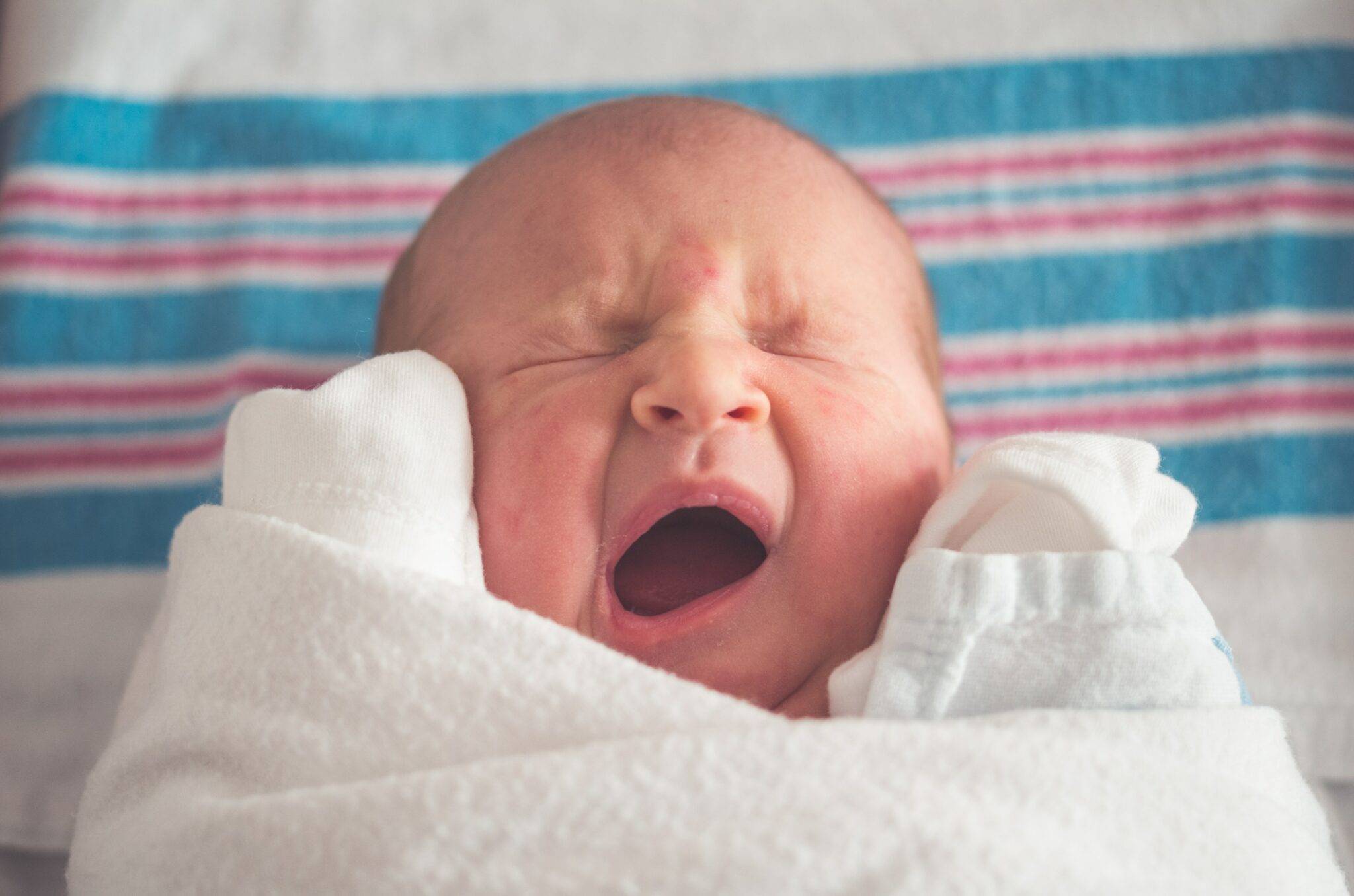
Your baby just finished eating. Everything seemed perfect. But now they’re crying, pulling their little legs up tight, and their face is scrunched up in agony.
You can see your baby is hurting. Their tummy is hard. They’re squirming. And nothing you do makes it stop.
You’re dealing with a baby with gas. And that trapped air is causing REAL pain.
Here’s what you need to know right now: Gas is one of the most common problems in babies. And there are proven ways to help.
In this comprehensive guide, I’ll show you exactly how to help baby with gas, how to relieve gas in newborns fast, and which infant gas drops actually work.
Let’s get your baby feeling better right now.
What Causes Gas in Babies? (Why is This Happening?)
Almost every baby deals with gas. But some babies get it way worse than others. Here’s why your baby with gas is so uncomfortable:
Main causes of infant gas:
- Swallowing air during feeding (the #1 cause by far)
- Drinking too fast from the bottle or breast
- Crying (babies gulp tons of air when they cry)
- Immature digestive system (still learning to work properly)
- Formula ingredients (some babies are sensitive)
- Something in mom’s diet if breastfeeding
- Wrong bottle nipple flow (too fast or too slow)
- Not burping enough after eating
- Constipation (backed-up poop traps gas)
Your baby’s digestive system is brand new. It doesn’t know how to process food efficiently yet. That means more gas gets produced and more gets TRAPPED.
👉 And trapped gas? That causes serious pain.
How to Tell If Baby Has Gas (Warning Signs to Watch For)
Your baby can’t tell you, “Mom, my tummy hurts.” But their body will show you.
Signs your baby has gas:
- Pulls legs up tight to their belly
- Archs back suddenly
- Clenches fists tight
- Squirms and wiggles constantly
- Cries during or right after eating
- Belly feels hard, tight, or bloated
- Passing gas frequently (toots)
- Face turns red while straining
- Gurgling or rumbling sounds in the tummy
- Seems uncomfortable when lying flat
The gas cry sounds different, too. It’s more intense. Almost like your baby is in pain (because they ARE).
👉 If you’re seeing these signs, you definitely have a baby with gas. But don’t panic. I’m going to show you exactly how to fix it.
How to Relieve Gas in Newborns: 7 Methods That Work FAST
Stop buying random products. These proven techniques bring relief in minutes. Here’s how to help baby with gas:
1. The Bicycle Legs Trick (This Works Like Magic)
 This is the #1 method that moms swear by for how to help baby with gas.
Here’s exactly how to do it:
- Lay baby on their back on a flat surface
- Hold both legs gently at the ankles
- Move them in a slow bicycle motion (push one knee toward their belly, then the other)
- Keep going for 1 to 2 minutes
- Take a short break, then repeat
Why this works: The cycling motion pushes gas through baby’s intestines toward the exit. You’ll probably hear toots. That’s EXACTLY what you want!
Each toot means trapped gas is escaping. How to help baby with gas? This simple move is the best gas relief for infants. Do bicycle legs several times per day:
- After every feeding
- Before naps
- During diaper changes
- Whenever baby seems uncomfortable
2. Hold Baby Upright (Gravity is Your Friend)

This is the EASIEST way to prevent gas from getting trapped. After every feeding, hold your baby upright for 10 to 15 minutes.
Don’t lay them down flat right away. Gravity helps gas bubbles rise UP and OUT instead of getting stuck in the belly.
Best upright positions for how to help baby with gas:
- Over your shoulder (classic burping position)
- Sitting on your lap (support chest, face away from you)
- Against your chest (baby’s head on your shoulder)
👉 Walk around while holding baby upright. Pat their back gently. Give those gas bubbles time to escape. This one change prevents SO much gas pain.
3. Master the Art of Burping (Most Parents Don’t Burp Enough)
How to help baby with gas? Master the art of burping baby. But here’s the truth: Most parents stop burping too soon.
Your baby might need to burp 5 or 6 times before all the air comes out. One burp isn’t enough. Don’t stop after one burp. Keep trying for at least 5 minutes.
When to burp baby with gas:
- Bottle feeding: Every 2 to 3 ounces
- Breastfeeding: When switching breasts AND at the end
- Always: After finishing feeding
Best burping techniques:
- Over the shoulder: Hold baby upright against your chest. Pat or rub their back in gentle circles. This is the most effective position.
- Sitting up: Sit baby on your lap facing away from you. Support their chest with one hand under their chin. Pat back with the other hand.
- Tummy down: Lay baby across your lap, tummy down. Make sure their head is supported and higher than their chest. Gently pat or rub their back.
How to help baby with gas? Try all three positions if one doesn’t work. Some babies burp better in certain positions.
👉 Pro tip: If baby won’t burp after 5 minutes, do bicycle legs, then try burping again. Sometimes moving gas around helps it escape.
4. Try Tummy Massage (Instant Relief)
How to help baby with gas? A good belly rub brings fast relief.
The clockwise circle massage:
- Use your fingertips to gently rub baby’s belly in circles. Always go CLOCKWISE (that’s the direction food moves through the intestines).
- Start at the belly button. Make small circles that gradually get bigger and bigger.
- Apply gentle but firm pressure. Not too hard, but firm enough to help move gas along.
- Do this for 3 to 5 minutes. You might actually HEAR or FEEL gas moving around. Perfect!
The “I Love You” massage (targets trapped gas). This technique follows the exact path of baby’s intestines:
- “I”: Use your fingers to trace a straight line down the LEFT side of baby’s belly (from their ribs to their diaper)
- “L”: Trace an upside-down L shape (up the right side, across the top, down the left side)
- “U”: Trace an upside-down U (up the right side, across the top, down the left side)
Say “I love you” out loud as you do each letter. It makes it easier to remember, AND it’s a sweet bonding time.
👉 This is seriously the best gas relief for infants when done correctly.
5. Use Warmth on Baby’s Tummy (Relaxes Tight Muscles)
 How to help baby with gas? Warm compresses help relax tight tummy muscles. When muscles relax, gas can move more easily.
How to do it safely:
- Take a clean washcloth or small towel
- Run it under WARM water (NOT hot—test it on your wrist first!)
- Wring out the extra water
- Fold it and place it on baby’s belly (over their diaper or onesie)
- Hold it there for a few minutes while gently rubbing
Or try a warm bath:
- Fill the baby tub with warm (not hot) water. Let baby sit in it for 10 minutes. The warm water relaxes their entire body, including digestive muscles.
- Add a gentle tummy massage while baby is in the warm bath for double relief.
- Always test the water temperature before putting baby in. It should feel comfortably warm on your elbow.
6. Try the “Colic Carry” Position (Works for Gas, Too)
How to help baby with gas? This special “colic carry” hold puts gentle pressure on baby’s belly and helps push gas out.
How to do the colic carry:
- Lay baby tummy-down along your forearm
- Baby’s head should rest near your elbow
- Their legs hang down on either side of your arm
- Support baby’s chin with your hand
- Walk around or gently sway
The pressure on their belly from your arm helps move gas through their system. Many parents say this position stops gas crying within minutes.
👉 Important: Only use this position while baby is AWAKE and you’re watching them. Never put baby to sleep on their tummy.
7. Do Tummy Time (But Wait After Feeding)

How to help baby with gas? Laying baby on their tummy puts gentle pressure on their belly that helps push gas out.
How to do it safely:
- Wait at LEAST 30 minutes after feeding (prevents spit-up)
- Lay a blanket on the floor
- Put baby on their tummy
- Get down on the floor with them (make it fun!)
- Watch them the ENTIRE time
- Start with just 2 to 3 minutes for newborns
You can also lay baby tummy-down across your lap while you sit. Gently pat their back. Tummy time helps with gas AND strengthens neck muscles. Win-win!
👉 NEVER leave baby alone during tummy time. NEVER put baby to sleep on their tummy. Back to sleep, always.
Can I Give My Newborn Gas Drops? (Everything You Need to Know)
This is one of the most common questions about how to help baby with gas.
Let’s talk about infant gas drops—what they are, if they work, and how to use them safely.
What are Infant Gas Drops?
Infant gas drops contain simethicone. It’s a medicine that breaks up big gas bubbles into smaller ones.
Smaller bubbles are easier for your baby to pass (as burps or toots). Popular brands include Mylicon, Little Remedies, and Mommy’s Bliss Gas Relief
Can I Give My Newborn Gas Drops?
Usually yes, but ALWAYS check with your pediatrician first. Infant gas drops are generally considered safe for newborns.
Never give ANY medicine without your doctor’s okay first. Even over-the-counter stuff. Your doctor needs to:
- Approve them for YOUR baby specifically
- Tell you the correct dosage for your baby’s age and weight
- Make sure there’s no medical reason your baby shouldn’t have them
How Do Infant Gas Drops Work?
 Here’s what simethicone does: It breaks apart large gas bubbles in baby’s stomach and intestines.
Think of it like popping big bubbles into tiny ones. Tiny bubbles are much easier for baby to pass. They’re a helper, not a miracle cure.
What gas drops DON’T do:
- They don’t prevent gas from forming
- They don’t absorb or eliminate gas
- They don’t cure the underlying problem
- They don’t work instantly
Gas Drops Before or After Feeding?
You can give infant gas drops either before OR after feeding. Both work.
- Giving gas drops BEFORE feeding: May help prevent gas from getting trapped. This is good if your baby consistently gets gassy after eating.
- Giving gas drops AFTER feeding: Helps with gas that’s already there. This is good for babies who seem fine at first but get gassy later
Try both timings and see what works better for YOUR baby with gas. Always follow the specific instructions on your brand’s package.
How Fast Do Infant Gas Drops Work?
If gas is the problem, infant gas drops usually start working within 10 to 30 minutes. But here’s the truth: Gas drops don’t work for every baby.
How to help baby with gas? Some parents say gas drops are life-changing. Others see zero difference. It really depends on your individual baby.
If gas drops don’t help after trying them consistently for a few days, they probably won’t work for your baby. Try the other methods instead.
Best Gas Relief for Infants: Which Drops Are Best?
Most infant gas drops contain the same active ingredient (simethicone) in similar amounts.
Popular options:
- Mylicon: Original brand, trusted for decades
- Little Remedies: Dye-free, flavor-free
- Mommy’s Bliss: Organic option
How to choose:
- Check the simethicone dosage (usually 20mg per dose)
- Look for dye-free and flavor-free versions
- Ask your pediatrician which one they recommend
- Pick what fits your budget (they all work similarly)
Important safety rules:
- Never exceed the recommended dose (more is NOT better)
- Don’t give gas drops every hour (follow package timing)
- If drops don’t help after a few days, stop using them
What About Gripe Water for Newborn Gas Relief Medicine?
How to help baby with gas? Gripe water is super popular. But here’s what you need to know:
Same-day and next-day appointments available.
Gripe water is NOT FDA-regulated. That means:
- Different brands have totally different ingredients
- Some might not be safe
- Quality varies wildly
- Claims aren’t verified
Some gripe waters contain:
- Herbs (ginger, fennel, chamomile)
- Sodium bicarbonate
- Sugar or sweeteners
- Some even contain alcohol (AVOID these!)
The truth: There’s limited research proving gripe water actually works for gas.
If you want to try gripe water, ask your pediatrician first. They can recommend a safe brand if appropriate.
Personally? Stick with infant gas drops that contain simethicone. They’re better studied and more consistent.
Adjusting Feeding to Prevent Gas (Stop It Before It Starts)
How your baby eats makes a HUGE difference in how to help baby with gas.
For Bottle Feeding: Fix These Common Problems
🤱 Problem: Nipple flow is wrong

If milk comes out too fast, baby gulps and swallows air. If too slow, baby sucks harder and swallows air.
Solution: Use the right flow nipple for your baby’s age. Start with slow-flow for newborns.
🤱 Problem: Baby drinks too fast
Hungry babies chug bottles and swallow tons of air.
Solution: Try paced feeding. Hold the bottle horizontal (not tilted way up). Let baby control the pace. Take breaks every 2 ounces to burp.
🤱 Problem: Bottle creates air bubbles
Shaking formula creates bubbles that baby swallows.
Solution: Swirl gently instead of shaking. Let the bottle sit for a minute so the bubbles settle.
🤱 Problem: Wrong bottle type
Regular bottles let baby swallow lots of air.
Solution: Try anti-colic bottles. They have special venting systems that reduce air intake.
Best bottles for baby with gas:
- Dr. Brown’s (vented system, reduces air)
- Tommee Tippee Anti-Colic (star valve prevents air)
- Philips Avent Anti-Colic (airflex vent)
- MAM Anti-Colic (vented base)
Many parents say switching bottles alone cuts gas in HALF.
For Breastfeeding: Try These Adjustments
 👼 Check baby’s latch: Poor latch = swallowed air. Make sure baby’s mouth covers the entire areola, not just the nipple. Slow down fast letdown
If your milk sprays out fast, baby gulps and swallows air. Catch the first spray in a cloth, then latch baby.
👼 Try different positions: Laid-back breastfeeding or side-lying can slow milk flow and reduce air swallowing.
👼 Watch your diet: Some foods you eat can cause gas in your breastfed baby.
Here are foods that can cause gas: Dairy products, broccoli and cauliflower, beans and lentils, cabbage, onions and garlic, and spicy foods.
Try eliminating one food at a time for a week. See if baby’s gas improves.
For Both Bottle and Breast
- Feed baby BEFORE they’re frantically hungry. Desperate, crying babies gulp air like crazy.
- Keep feeding calm and quiet. Stress makes babies eat fast and swallow more air.
- Burp frequently during feeding. Don’t wait until the end.
- Keep baby upright during feeding. This reduces air swallowing.
When Gas Relief Medicine for Newborns isn’t Enough (Call the Doctor)
Sometimes what looks like gas is actually something more serious.
Call your pediatrician if:
- Baby has a fever (over 100.4°F in babies under 3 months)
- You see blood in baby’s poop
- Baby is vomiting forcefully (more than spit-up)
- Baby’s belly is very swollen, hard, or tender to the touch
- Baby refuses to eat for several feedings
- Baby isn’t gaining weight or seems to be losing weight
- Baby seems to be in severe, constant pain
- Nothing you try helps at all
- Gas started suddenly and is much worse than before
These symptoms might mean:
- Acid reflux (GERD)
- Milk protein allergy (common!)
- Lactose intolerance
- Intestinal blockage
- Infection
- Other digestive problems
Don’t try to diagnose this yourself. Get professional help. Your doctor knows how to tell the difference between normal gas and something that needs treatment.
Preventing Gas in Babies: Your Daily Action Plan
The BEST way to deal with gas? Stop it before it starts. These simple daily habits can cut gas in HALF.
Morning routine
✅ Do a tummy massage before the first feeding
✅ Burp thoroughly after feeding
✅ Hold baby upright for 15 minutes
✅ Do bicycle legs
Throughout the day
✅ Feed baby before they’re crying hungry
✅ Use proper feeding position
✅ Burp every 2 to 3 ounces
✅ Keep baby upright during and after eating
✅ Do tummy time (30+ minutes after feeding)
Evening routine
✅ Give extra tummy massage
✅ Warm bath before bedtime
✅ Bicycle legs before bed
✅ Use gas drops if doctor-approved
Your Emergency Gas Relief Plan (Do This Right Now)
Baby is crying with gas pain RIGHT NOW? Here’s your action plan:
Step 1: Do bicycle legs for 1 to 2 minutes
Step 2: Try tummy massage (clockwise circles, then “I Love You” technique)
Step 3: Hold baby upright and walk around
Step 4: Give infant gas drops if your baby’s doctor approves them
Step 5: Try the colic carry position
Step 6: Use a warm compress on their tummy
Step 7: Try burping in different positions
Relief usually comes within 10 to 20 minutes. Be patient. Keep trying different techniques.
You’re Doing Everything Right
Watching your baby with gas pain is heartbreaking. I know. But now you have REAL tools for how to help baby with gas. Proven methods that work.
Quick recap of how to relieve gas in newborns

✅ Bicycle legs (the #1 most effective method)
✅ Burp frequently and thoroughly
✅ Hold baby upright after feeding
✅ Ask your baby’s doctor about infant gas drops
✅ Fix your feeding technique to prevent gas
✅ Use warmth and the colic carry position
Most babies get much less gassy by 3 to 4 months as their digestive systems mature. It DOES get better.
You’re not alone. Almost every parent deals with a gassy baby at some point.
Need more expert help keeping your baby comfortable and healthy? Visit Omegapediatrics.com for trusted pediatric advice from real doctors.
Your baby is lucky to have someone who cares this much about their comfort. Those bicycle legs and tummy rubs you’re doing? They matter.
You’re helping your baby feel better. Keep going, mama. You’ve got this.