
When we think about keeping our children healthy, we often focus on common things like colds or stomach bugs. However, sometimes, a quiet illness can harm the body without showing many early clues. Hepatitis B is one such illness.
Hepatitis B can remain dormant for a long time, and if it becomes severe, it can lead to liver failure, which means the liver can no longer perform its job of keeping the body clean and balanced.
This guide explains the warning signs that hepatitis B may be causing liver failure—written in simple language so every parent can understand. You will also learn what to watch for, what each symptom means, and how to act fast to protect your child’s health and safety.
Understanding Hepatitis B: The Basics
Hepatitis B is a virus. A virus is a tiny germ that can cause illness. This virus attacks the liver. The liver is a large organ that filters blood, aids in digestion, and removes harmful chemicals from the body. Think of the liver as the body’s cleanup crew. Most people with hepatitis B get better. Some don’t even feel sick at all.
However, in some cases—especially if the infection persists for a long time—the virus can cause gradual damage to the liver. Over time, the damage can become so severe that the liver’s function becomes impaired. That is what doctors call liver failure. Liver failure is a medical emergency. It must be treated right away.
Before we talk about warning signs, it helps to understand the function of the liver:
- cleans the blood
- helps make energy
- helps digest food
- removes toxins (poisons)
- helps control bleeding
When the liver begins to fail, these jobs start breaking down—and the symptoms show up on the outside.
Signs Hepatitis B May Be Causing Liver Failure
Below are the major signs parents should watch for. These are not the only signs, but they are the most common and the most important.
1. Sudden Yellowing of the Skin or Eyes (Jaundice)
Jaundice means the skin or the white part of the eyes turns yellow. This occurs when a substance called bilirubin builds up in the blood. Bilirubin is a yellow chemical made when red blood cells break down. Normally, the liver removes bilirubin. When the liver fails, bilirubin gets stuck in the body.
If your child’s eyes or skin look yellow—even a little—you should call a doctor right away. These signs often show up together because they are all related to bilirubin problems. Young children and teens might also have:
- Dark pee (almost the color of tea)
- Light, pale-colored poop
- Itchy skin
2. Extreme Tiredness That Seems to Come Out of Nowhere

Everyone gets tired sometimes. However, liver failure causes a deep, heavy tiredness that feels different. Kids may want to sleep much more than usual. They may also get tired very quickly, even after simple tasks. This occurs because a failing liver cannot produce or manage energy as it should.
A failing liver can also allow toxins to accumulate, which can cause the brain to feel foggy and slow. If your child:
- falls asleep during normal daytime activities
- has trouble paying attention
- seems confused or slower than usual
…these could be signs of a liver problem that needs urgent care.
3. Swollen Belly (Ascites) or Swollen Legs
Ascites (a-sy-teez) is the medical word for fluid buildup in the belly. When the liver is failing, fluid leaks into the abdomen. The belly may look round, tight, or stretched. It may also be painful or make breathing feel harder. Children may also have swelling in the legs, feet, and ankles.
This swelling occurs because the liver plays a crucial role in fluid balance. When it stops working, the body is unable to eliminate extra water.
4. Easy Bruising or Bleeding
One of the liver’s primary functions is making proteins that help blood clot. When the liver is failing, it cannot make enough of these proteins. That means even small bumps can cause big bruises. Nosebleeds may happen more often. Bleeding from cuts may take longer to stop. Be extra alert for:
- frequent nosebleeds
- bleeding gums
- bruises that appear without any known injury
- tiny red dots on the skin (called petechiae)
These signs are strong indications that the liver needs help.
5. Confusion, Irritability, or Personality Changes
 When toxins build up in the blood because the liver can’t clean them, they can reach the brain. This leads to a condition called hepatic encephalopathy (en-seh-fa-LOP-a-thee). It sounds complicated, but it simply means the brain is being affected by liver problems. This is one of the most serious signs of liver failure.
Watch for:
- confusion
- trouble finding words
- sudden anger or mood swings
- trouble sleeping
- shaking hands
6. Nausea, Severe Vomiting, or Loss of Appetite
A failing liver struggles to digest food and manage nutrients. Children may feel nauseous, sick to their stomach, spit up more, or refuse to eat. They may also lose weight quickly. Sometimes, the belly pain is on the right side under the ribs, where the liver sits.
Although these symptoms can occur for many reasons, when combined with the other signs listed here, they point strongly to liver trouble.
7. Dark Pee, Pale Poop, or a Strong Smell
These signs are often overlooked, but they are powerful clues to liver stress. Dark pee occurs when bilirubin is pushed out through the kidneys instead of the liver. Pale poop means the liver isn’t producing enough bile. Bile is a yellow-green fluid that helps break down fats.
When the liver fails, bile production decreases significantly. If these signs appear suddenly, call a doctor immediately:
- very dark urine
- very light or gray stool
- strong-smelling urine
Mild Hepatitis B Symptoms vs. Liver Failure: Their Differences

Hepatitis B can cause mild symptoms such as fever, fatigue, or stomach pain. But liver failure progresses much faster and is much more dangerous. If you ever feel unsure, it is always better to get checked early. The liver can sometimes heal itself if problems are caught fast.
Mild Symptoms
- Fever
- Mild stomach discomfort
- Fatigue
- Loss of appetite
Possible Liver Failure Symptoms
- Yellow eyes or skin
- Swelling in the belly
- Confusion or personality changes
- Bleeding easily
- Dark urine + pale stool
- Severe weakness
Why Liver Failure Happens in Hepatitis B
Not every child or teen with hepatitis B will develop liver failure. In fact, most never will. Understanding these causes helps parents understand why prompt action and early medical care matter so much. When hepatitis B does cause liver failure, it usually happens because of:
Same-day and next-day appointments available.
🫶🏼 Long-term (Chronic) Infection: Some people carry the virus for years without symptoms. Over time, the virus causes inflammation and scarring. Scarring of the liver is referred to as fibrosis. When scarring becomes severe, it is referred to as cirrhosis. Cirrhosis makes the liver harder and less flexible, and eventually, it becomes unable to function.
🫶🏼 Rapid Immune System Attack: Sometimes the body’s immune system attacks the infected liver cells all at once, causing significant damage in a short time.
🫶🏼 A Sudden Flare-Up: Some hepatitis B infections can flare up. A flare-up means the virus becomes very active suddenly, causing strong inflammation.
How Doctors Check for Liver Failure
If hepatitis B is suspected of causing liver failure, doctors use several tests:
- Blood Tests: Blood tests can measure liver enzyme levels and bilirubin levels, as well as assess the clotting ability to determine whether the liver is cleaning the blood.
- Ultrasound: An ultrasound uses sound waves to create images of the liver, checking for swelling, scarring, or fluid.
- Physical Exam: Doctors check for jaundice, swelling, and changes in alertness.
- Special Tests: In some cases, doctors may perform a liver biopsy, which involves taking a small sample of liver tissue for evaluation under a microscope.
Life-Saving Treatment Options
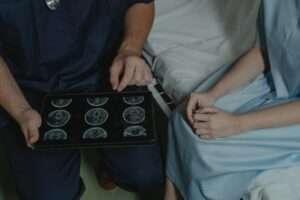 Treatment depends on how serious the liver failure is.
- Hospital Care: Children with signs of liver failure often need to stay in the hospital so doctors can watch them closely.
- Medicine: Certain medications can help control the hepatitis B virus.
- Nutrition Support: A healthy diet helps lighten the load on the liver.
- Treating Complications: Doctors may drain fluid, treat bleeding, or administer medications for confusion caused by toxins.
- Transplant Evaluation: If the liver is in danger of stopping completely, doctors may talk about a liver transplant.
How To Protect Your Child from Hepatitis B and Liver Failure
Protecting your child from hepatitis B and its most dangerous complication—liver failure—doesn’t have to feel overwhelming. When you understand the steps and why they matter, you’re able to take simple, powerful actions that keep your child safe. Here’s a clearer, more detailed look at each protection step.
1. Make Sure Your Child Is Vaccinated
The hepatitis B vaccine is one of the strongest shields your child can have. It teaches the immune system how to fight the virus before your child ever comes into contact with it. That means if your child is exposed later in life, their body already knows how to stop the virus before it has a chance to harm the liver.
The vaccine is usually given as a series of shots during infancy. If your child missed a dose or started the series late, don’t worry—they can safely catch up at any age. This simple set of shots prevents most cases of childhood hepatitis B and lowers the chance of liver failure dramatically.
If you’re ever unsure whether your child is fully protected, your pediatrician can review their vaccination record and guide you.
Learn more about pediatric vaccinations here: 7 Powerful Steps to Protect Your Child: How to Complete the Vaccine Series the Right Way
2. Get Regular Checkups
Kids grow and change rapidly, and regular visits help doctors identify signs that something isn’t right. These visits allow your pediatrician to:
- monitor your child’s growth
- check their liver function if needed
- review any new symptoms
- make sure vaccinations are up to date
- catch health problems before they become serious
If your child was diagnosed with hepatitis B in the past, these visits matter even more. Early detection gives the liver a better chance to stay strong. Your pediatrician may recommend: routine blood tests, liver enzyme checks, ultrasounds, or antiviral treatment if needed.
You can learn more about child wellness visits here: The Essential Guide to Well-Child Care Visits
3. Watch for New Symptoms

If your child has hepatitis B, being observant at home is one of the most important things you can do. The liver usually gives warning signs when it’s under stress. These signs may appear slowly or suddenly. You know your child better than anyone. If something feels “off,” even if it seems small, call your healthcare provider.
Watch for:
- yellow skin or eyes
- dark pee
- pale poop
- belly swelling
- easy bruising
- constant tiredness
- sudden confusion or irritability
Catching changes early helps prevent a minor issue from turning into a medical emergency.
For further insights, this article would be helpful: What Really Happens When a Child Gets Hepatitis B? The 5 Stages of the Battle
4. Keep Your Child’s Immune System Strong
A strong immune system helps the body control viruses like hepatitis B and fight off infections that could stress the liver. You don’t have to make big changes—small, consistent habits protect your child more than you might realize. Simple daily habits make a big difference:
- Balanced meals: Colorful fruits and veggies give the body the vitamins it needs to keep the liver healthy.
- Good sleep: Growing bodies need rest to repair cells and strengthen immunity.
- Regular movement: Even 30 minutes of play helps the body stay strong and improves overall health.
- Hydration: Drinking enough water keeps the liver’s “filtering” job easier.
You can learn more about child immunity in this article: 5 Ways to Monitor Baby’s Immunity for Mom’s Peace of Mind
5. Understand Your Child’s Medical History
If your child has ever tested positive for hepatitis B, every doctor they see—pediatricians, dentists, urgent care providers—should know. This helps the healthcare team:
- avoid medicines that may harm the liver
- choose the safest treatments
- check liver function when needed
- monitor the infection over time
- watch for signs of chronic hepatitis
Some children clear hepatitis B on their own, while others carry it longer. Knowing the history helps every doctor make safer decisions. If you’re unsure whether your child was exposed or tested positive in the past, you can ask your healthcare provider to check their medical records or order a simple blood test.
Revisit this article for further insights: Preparing for a Pediatric Visit: 5 Steps to Make Your Next Visit a Smooth and Enjoyable Experience
You Can Stay Ahead of Hepatitis B

Hepatitis B and liver failure can be intimidating. Every moment matters—and now you know exactly what signs to watch for, giving you the power to take control over liver failure. Jaundice, confusion, swelling, dark pee, pale poop, and sudden tiredness are not “wait and see” symptoms.
They are red-alert warnings that your child’s liver is in trouble. So, act faster and get the right care for your child. But here’s the good news: you are not powerless. With quick action, regular checkups, and the right medical care, liver failure can often be stopped before it becomes life-threatening.
As a parent, your instincts are powerful. Your attention is powerful. And your love is powerful. Trust those instincts. Act fast when something feels wrong. You’re not alone. Omega Pediatrics is here to help guide, support, and empower you every step of the way.
Your child deserves a strong, healthy future. And with your care, they’ll have exactly that.