
Helping kids enjoy vegetables doesn’t have to feel like a fight. It doesn’t have to end with tears, bribing, begging, or you hiding spinach in everything you cook. You can teach your child—whether they’re a strong-willed toddler or a stubborn older kid—to enjoy vegetables in a simple, warm, and pressure-free way.
This parent-friendly guide explores smart strategies that work beautifully for both toddlers and big kids. Different age groups have different needs; each section includes clear tips. These gentle, science-backed steps help your child feel at ease around veggies.
Safe kids are curious kids. Curious kids explore. And exploring is the first step toward eating.
Why Kids Say “No” to Vegetables (And Why Pressure Pushes Them Away)
Before we dive into strategies, it helps to understand why so many kids avoid vegetables.
Reason 1: Taste and Texture Feel “Strange”
Vegetables are sometimes bitter, crunchy, soft, or mixed—and many kids love predictable foods. Toddlers in particular prefer sweet, smooth, or familiar textures.
Reason 2: New Foods Feel Scary
Kids are naturally inclined to avoid unfamiliar foods initially. It’s part of child development, not a bad attitude.
Reason 3: Pressure Creates Fear Instead of Curiosity
Even simple phrases like
- “Just try it!”
- “Take one bite.”
- “You have to eat your veggies.”
…can make kids tense, worried, or defensive.
When kids feel pressured, their brain switches to “protect mode.” They shut down. They resist. And vegetables seem even scarier.
No-Pressure Strategies That Work for Kids
These strategies are effective for toddlers, older kids, and everyone in between. After each strategy, you’ll see age-specific tips for the two groups.
1. Make Vegetables a Normal Part of the Table
Kids feel safe when vegetables are around them regularly—without comments, lectures, or demands. Simply place veggies on the table at meals. Let them sit there like any other food.
For Picky Toddlers
- Put ONE tiny piece out, like a single carrot circle.
- Don’t ask them to touch it or eat it.
- Just let the vegetable be part of the scenery.
For Older Kids
- Serve veggies family-style so they can choose their own portions.
- Don’t comment on what they do or don’t take.
Bonus: Kids learn by watching, so keep veggies on your plate too.
2. Use the “Touch, Smell, Explore” Method
Kids aren’t supposed to jump straight from “never seen it” to “eating it.” They need steps in between, called sensory exploration.
For Picky Toddlers
These tiny actions help toddlers feel safe. Let them:
- smell the veggie
- poke it
- wave it
- break it apart
- dip it
- stir it
For Older Kids

Exploring builds confidence. Confidence builds curiosity. Curiosity leads to eating. Invite them to:
- describe what the veggie looks like
- compare the color to something else
- crunch it and rate the sound
- smell it with eyes closed like a “food scientist”
3. Offer Veggies in Many Fun Forms (Kids Need Options!)
One of the biggest secrets: kids often reject a form, not a food. A child who hates steamed broccoli may love roasted broccoli. A kid who avoids raw carrots may love shredded carrots.
Here are some fun forms to try: raw sticks, roasted bites, steamed soft pieces, veggie muffins, smoothies, chopped into dips, tiny shapes, and colorful patterns.
For Picky Toddlers
Start with:
- soft textures
- mild flavors
- colorful shapes
- dips (toddlers LOVE dips)
For Older Kids
Kids love comparison games. Let them “test” different versions. Ask:
- “Is roasted sweeter than steamed?”
- “Which one crunches more?”
4. Let Kids Help in the Kitchen (Ownership = Courage)
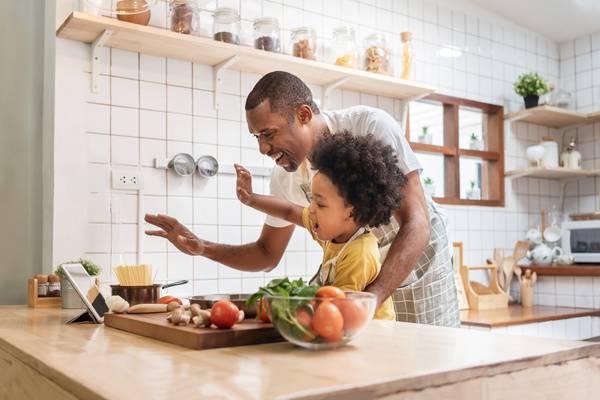
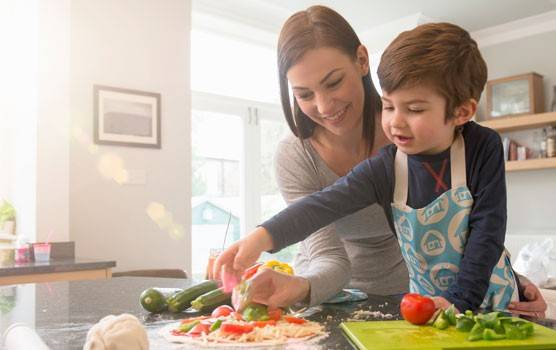
Kids who help make food feel proud of it. And when kids feel pleased, they’re more likely to taste the food they helped create.

For Picky Toddlers
Give super simple jobs:
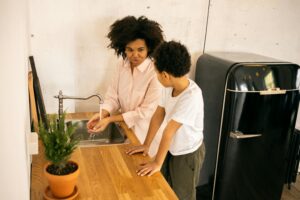
- washing veggies
- tearing lettuce
- handing you ingredients
- stirring
- shaking seasoning in a bowl
For Older Kids
Older kids love feeling capable. Give more grown-up responsibilities:
- chopping soft veggies with a kid-safe knife
- roasting veggies
- blending smoothies
- seasoning food
- plating the meal
For more ideas on building healthy habits, see this parent-friendly guide:
Building Healthy Habits in Children: 9 Ways to Nurture Lifelong Wellness
5. Keep Control Balanced: You Choose the Menu, Kids Choose Whether They Eat
This classic method (called the Division of Responsibility) takes pressure off everyone. This respectful system builds trust.
- Parents Decide: What to serve, when to serve, and where to serve.
- Kids Decide: Whether to eat, how much to eat, and whether they want to try the vegetable or leave it alone.
For Picky Toddlers
Toddlers feel calmer when they know:
- “You don’t have to eat it.”
- “It can sit on your plate.”
For Older Kids
Older kids appreciate honesty:
- “Your job is to listen to your body.”
- “You get to decide if you want more or not.”
This allows kids to feel safe—and safe kids are more likely to try new foods.
6. Pair New Veggies With “Safe Foods”
Safe foods are foods your child normally eats without fear—like bread, rice, fruit, yogurt, or noodles.
For Picky Toddlers
Add a tiny piece of veggie next to familiar foods. They may ignore it. They may touch it. All progress counts.
For Older Kids
Parent Tip: Ask them what safe foods they want on the plate. This gives them a sense of control… without pressure.
Same-day and next-day appointments available.
7. Use Calm, Non-Pressure Language (This Matters More Than You Think)
Kids are incredibly sensitive to tone, especially around food.
- Avoid Saying: “Just one bite,” “Come on, eat it,” or “You won’t get dessert unless you try it.”
- Say Instead: “You don’t have to eat it,” “You can explore it if you want, ” or “It can stay here on your plate.”
For Picky Toddlers
Simple language works best:
- “No pressure.”
- “You’re safe.”
- “You can smell it.”
For Older Kids
Kids feel freer, and free kids explore more. Respectful phrases help:
- “You get to decide when you’re ready.”
- “You don’t have to like everything.”
8. Model the Behavior (Kids Copy What They See)
Children learn more from watching than listening. Show them how to enjoy vegetables naturally.
For Picky Toddlers
Toddlers love “story veggies.” Say things like:
- “Crunch! Listen!”
- “Yum, sweet carrot!”
- “Look at this tiny broccoli tree!”
For Older Kids
Parents showing bravery teach kids bravery. Use honest curiosity:
- “This roasted carrot tastes sweeter than the raw one.”
- “This veggie isn’t my favorite, but I still try it sometimes.”
9. Make Veggies Fun, Colorful, and Creative
Fun lowers fear.
Fun Ideas for ALL Kids
- rainbow veggie trays
- dips in tiny cups
- build-your-own bowls
- “veggie art” plates
- taste tests
- food science experiments
Extra Ideas for Toddlers
- silly names (“dinosaur trees”)
- tiny forks
- colorful plates
- dips, dips, dips!
Extra Ideas for Older Kids
- smoothie bars
- wrap-building stations
- veggie pizzas
- “rate this veggie” charts
Omega Pediatrics has more great tips for encouraging healthy eating here:
7 Ways to Encourage Healthy Eating Habits in Kids: A Parent’s Complete Guide
What About Extremely Picky Eaters?
Some children have stronger reactions to textures, smells, or colors. Some kids have anxiety around new foods. Some need extra time or smaller steps. This is normal. If your child’s eating affects growth, weight, or daily life, talk with your pediatrician for support.
For Picky Toddlers
Try:
- food play
- tiny exposure
- predictable routines
- keeping veggies on the table daily
For Older Kids
Try:
- letting them help more
- giving choices
- having open, calm conversations
- using “food science” to make exploration fun
Exposure vs Eating: What’s the Difference
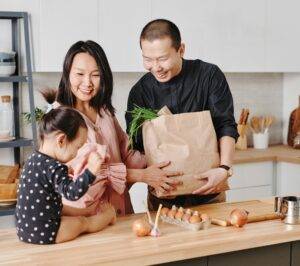
When it comes to vegetables, many parents feel discouraged if their child doesn’t actually eat the food placed on the plate. But here’s the surprising—and powerful—truth: kids learn to accept vegetables long before they ever take a bite. The real magic starts with exposure, not eating.
Understanding this difference takes away much of the pressure and helps your child feel safe, curious, and confident around new foods.
What “Exposure” Really Means (And Why It Matters More Than You Think)
Exposure is simply every positive experience your child has with a vegetable—even when the vegetable never touches their mouth. Exposure teaches the brain, “This food is safe. I can relax.” Exposure can be:
- seeing the vegetable on the table
- smelling it
- touching it with one finger
- helping wash or stir it
- watching you eat and enjoy it
- allowing it to sit on their plate
- crunching it and spitting it out
- helping choose it at the store
All of these count as real, meaningful progress. Each exposure builds comfort. And comfort builds curiosity. Kids—especially picky toddlers—need many safe exposures before their body feels ready to try something new. Some kids take 10 exposures. Some take 20. Some even need 30 or more. This is all normal.
Eating Comes After Exposure—Not Before
When a child feels safe, their natural curiosity kicks in. They touch more. They smell more. They test the food in tiny steps. Kids usually move through this gentle progression:
See the vegetable → Touch the vegetable → Smell the vegetable → Lick it → Take a micro-nibble → Take a bigger bite → Eat a full portion
Each stage is a progress. Each stage matters. This slow, step-by-step process is how children learn about all foods—not just vegetables. Children who feel pushed often get stuck at step 1. Children who feel safe move forward naturally.
Why Focusing on Exposure Builds a Healthier Eater Long-Term
When parents focus only on eating, kids feel pressure—sometimes even fear. Pressure makes the vegetable feel “dangerous,” “yucky,” or “too big of a deal.” But when parents focus on exposure, meals feel peaceful, predictable, and safe.
Safe kids explore. → Exploration leads to tasting. → Tasting leads to eating.
This gentle method builds confidence, curiosity, and long-lasting trust with food. Kids learn that trying new foods is normal, not scary.
How Exposure Looks for Picky Toddlers
Toddlers are sensory learners. They need hands-on experiences before they ever consider eating something new. But for adults, these things may look like “not eating.” But to toddlers, this is their learning phase. It’s powerful. It’s important. And it counts. Healthy toddler exposures include:
- poking a carrot
- tapping broccoli on the table
- dipping a cucumber in ranch, but not licking it
- putting veggies into the salad bowl
- carrying a bell pepper around like a toy
- smelling a spinach leaf
- breaking a snap pea in half
How Exposure Looks for Older Kids
Older kids understand more about food, but they still need time to feel brave around vegetables. They crave control without pressure. Exposure gives them such control. Exposure for big kids includes:
- rating veggies by crunchiness
- smelling roasted veggies and describing the aroma
- helping chop soft vegetables
- choosing dips or seasonings
- watching how roasting changes the veggie’s color
- adding veggies to tacos, wraps, or pasta
- doing “taste tests” with different cooking styles
What Parents Should Remember (The Game-Changing Mindset Shift)
The goal is not to force the bite. The goal is to build trust. When you celebrate exposure—not just eating—you help your child:
- feel safe
- feel brave
- become curious
- enjoy exploring
- relax at mealtimes
- move forward at their own pace
This mindset shift changes everything. It transforms stressful meals into calm, confident moments. And in time, your child will try vegetables willingly—not because they were pressured, but because they felt ready.
How to Stay Patient (Even When Your Child Says “NO”)
Kids often need 10 to 20 exposures to a new food, especially vegetables, before eating it. That means just seeing the food counts as real progress. Here are tips for staying calm. Remember: patience builds trust… and trust builds eaters.
- Serve tiny pieces.
- Celebrate small wins like touching or smelling.
- Repeat without pressure.
- Keep vegetables present, not pushed.
Raising Brave, Curious, Vegetable-Loving Kids Starts With Trust

Helping your child learn to enjoy vegetables doesn’t require pressure, battles, or begging. It starts with something far more powerful: trust. When children feel safe, respected, and free from stress at the table, their natural curiosity for vegetables grows.
And curious kids—whether they’re wild little toddlers or stubborn older kids—become brave explorers. By focusing on exposure instead of eating, you give your child the space they need to learn at their own pace. You show them that vegetables are everyday foods—not scary chores.
And you build a healthy, peaceful relationship with food that can last a lifetime. You’re not just raising a child who will eat vegetables. You’re raising a child who feels confident trying new things.
With patience, gentle guidance, and the no-pressure strategies you’ve learned here, you’re helping your child build lifelong skills—skills that create healthier bodies, calmer mealtimes, and joyful family moments around the table.
You’re doing a wonderful job. Your child is growing. And together, you’re building strong, fearless eaters—one peaceful step at a time.