 Early childhood is one of the most amazing and important stages in a person’s life. From the moment a baby is born, their brain begins to grow at an unprecedented rate. The early years—from birth to about age five—shape how a child learns, behaves, and relates to the world.
In fact, scientists say that more than 90% of brain growth happens before kindergarten. Understanding why early childhood development is so crucial can help parents, caregivers, and communities provide every child with the best possible start.
Let’s explore how these early experiences create strong foundations for health, learning, and lifelong success.
The Science Behind Early Childhood Development
What Happens in the First Five Years?
From birth to age five, the brain grows more rapidly than at any other time. Neural pathways—tiny connections that send signals—are constantly forming, pruning, and strengthening based on the child’s experiences.
How Experiences Shape the Brain
Every interaction—whether it’s reading a bedtime story, playing peek-a-boo, or giving a hug—sends signals to the brain that shape how a child will think, learn, and feel later in life. When a child feels loved, safe, and supported, the brain develops strong, stable connections.
However, chronic stress, neglect, or lack of stimulation can slow development and create emotional or learning challenges later on.
1. The Incredible Growth of a Child’s Brain
During the first few years of life, a child’s brain forms over one million new connections every second. These connections, called neural pathways, are the building blocks for learning, communication, and emotional understanding.
Why Early Experiences Matter

Positive early experiences—like talking, reading, and playing—strengthen the brain’s connections. Negative experiences—like neglect, stress, or lack of stimulation—can weaken them. This is why early childhood programs, nurturing homes, and caring relationships are essential.
When babies hear voices, see faces, or feel safe in their caregivers’ arms, their brains are literally wiring up to remember and repeat those experiences. Every song, story, cuddle, and smile helps build strong pathways that support growth.
Children who receive consistent care and love develop better self-control, empathy, and problem-solving skills. It’s not about being perfect parents—it’s about being present for your children.
2. Emotional Development: The Heart of a Healthy Child
Why Feelings Are the Foundation for Learning
A child’s emotional world begins developing before they can even talk. Babies learn trust and security when caregivers respond to their needs with care and warmth. When you smile at a baby, comfort them when they cry, or talk gently, you’re teaching them trust and safety.
When children feel safe, they’re free to explore, learn, and grow. Emotional stability in the early years forms the foundation for healthy relationships later in life.
Building Emotional Intelligence from the Start
Emotional intelligence is the ability to understand and manage feelings—both your own and others’. Kids who develop this early tend to handle stress better, build stronger friendships, and perform better in school. You can support your child’s emotional development by:
- Talking about feelings or emotions openly (“I see you’re sad that your toy broke”). Encourage your child to express themselves in healthy ways
- Modeling calm responses and respectful behavior when things go wrong
- Teaching empathy and understanding
- Offering love and reassurance, even during tantrums. Give hugs and comfort consistently.
Emotional skills don’t just happen—they’re taught and practiced through love, patience, and example. Children who understand and manage emotions grow into confident, kind, and resilient adults.
3. The Power of Play in Early Childhood Development
Why Play Is Learning in Disguise
Play isn’t just fun—it’s the work of childhood. Play might look simple, but it’s one of the most powerful developmental tools. Through play, children experiment, create, practice problem-solving, build social skills, and learn how the world works.
Whether your child is stacking blocks, playing pretend, or running around the yard, they’re developing essential life skills.
Types of Play That Support Development: How Play Builds the Brain
 Types of Play That Support Development: How Play Builds the Brain
- Physical play helps with coordination, balance, and strength.
- Pretend play sparks imagination, communication, and problem-solving.
- Social play teaches cooperation, sharing, teamwork, and empathy.
- Quiet play, like reading or drawing, builds focus and creativity.
When parents join in—by playing peek-a-boo, drawing together, or reading bedtime stories—the benefits multiply. The bond grows stronger, and learning becomes even more meaningful. Playful interaction helps children feel loved, seen, and supported.
4. Nutrition and Health: The Building Blocks for Growth
Healthy development depends not only on love and learning but also on proper nutrition and medical care. During early childhood, the brain and body need steady fuel from nutritious foods and adequate sleep.
How Proper Nutrition Fuels Growing Minds
The brain needs the right nutrients to grow strong. Nutrients like iron, protein, and omega-3 fatty acids support brain development and prevent learning delays. These are crucial for brain function and memory.
A balanced diet that includes fruits, vegetables, whole grains, and lean proteins helps build strong bones, muscles, and immunity. These also support learning and energy. Regular meals and hydration help children stay alert and focused throughout the day.
Omega Pediatrics emphasizes the importance of regular well-child visits, which monitor growth, hearing, vision, and developmental milestones. You can read more about healthy nutrition habits for young children in this helpful post: 👉 The Role of Nutrition in Child Development
Healthy children are happy learners—and it all starts with consistent care and balanced meals.
Why Pediatric Care Matters Early
Regular pediatric visits track growth, detect concerns early, and give parents a chance to discuss milestones and habits. Prevention through early care sets the stage for long-term health.
5. Early Learning: Igniting a Lifelong Love of Discovery
Everyday Learning Moments Count
Children are naturally curious. They learn from watching, touching, and exploring. Turn everyday moments into learning opportunities—count steps, name colors, or sing songs together. Encouraging this curiosity is one of the best ways to promote healthy development.
Building Language and Communication Skills
Learning doesn’t just happen in classrooms. It happens in kitchens, parks, and grocery stores, too! When you count apples at the store, sing songs in the car, or describe what you see outside, you’re teaching your child math, language, and science in real time.
Same-day and next-day appointments available.
Talking and reading aloud from infancy strengthen vocabulary and listening skills. The more words a child hears, the better they communicate later on. Simple activities like storytelling, naming objects, or reading picture books are powerful learning tools. Parents can boost early learning by:
- Reading together every day
- Asking open-ended questions (“What do you think will happen next?”)
- Giving children choices to build confidence
- Celebrating effort instead of perfection
These small, daily habits grow into a lifelong love of learning.
6. Social Development: Growing Together with Others
Social skills begin developing long before children start school. From sharing toys to taking turns, children learn how to connect and cooperate through everyday interactions. Strong social skills help children feel confident and accepted, both in childhood and throughout life.
Learning to Share, Listen, and Cooperate
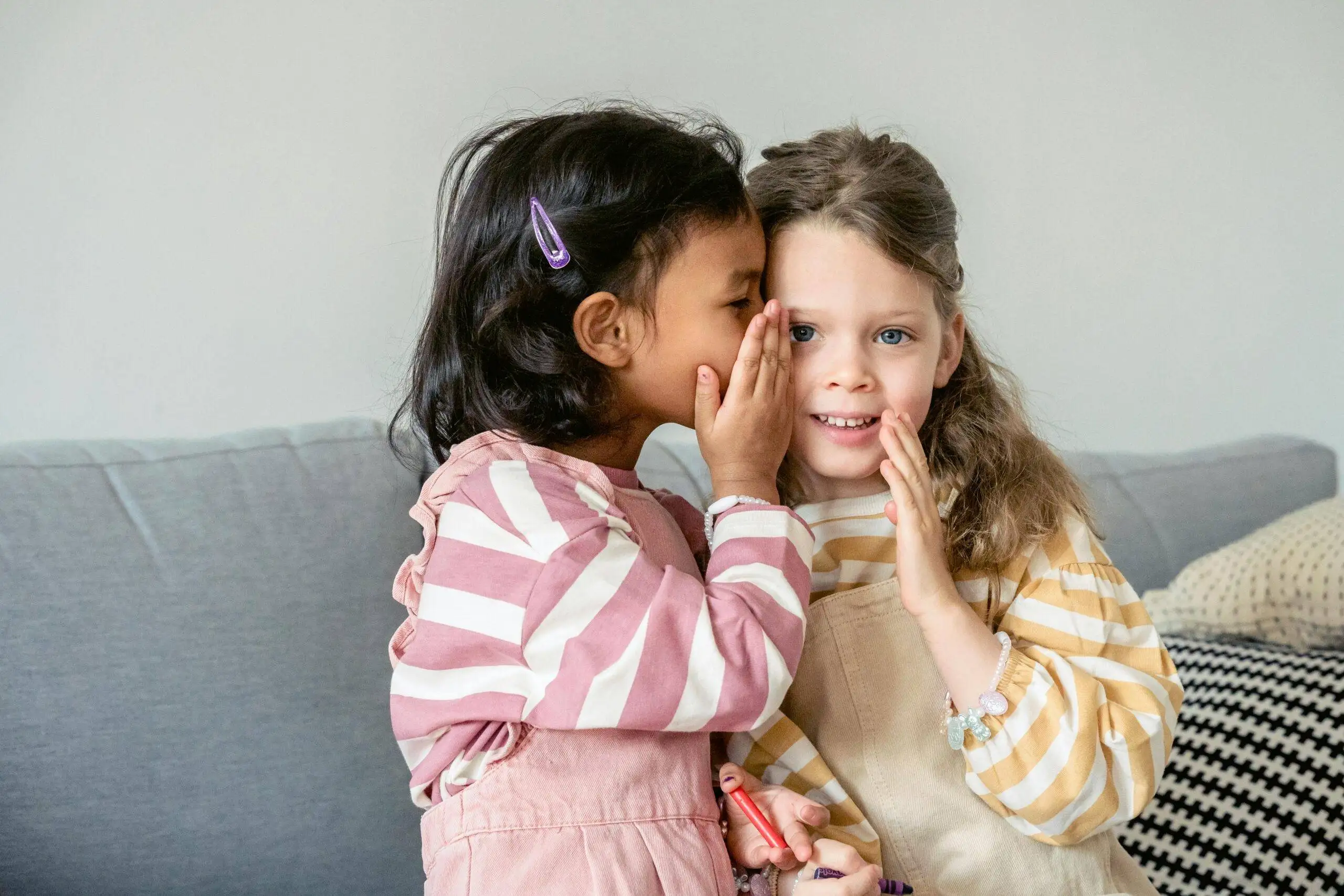
From playdates to playgrounds, social experiences teach children how to communicate, share, and resolve conflicts. Praise cooperative behavior, and gently guide children through conflicts instead of punishing them harshly. These lessons are essential for success in school and relationships.
Encouraging Empathy and Kindness
 Encouraging Empathy and Kindness
Ask your child questions like, “How do you think your friend felt?” This helps them recognize emotions in others. Praise kind actions and help them make things right after conflicts.
Teaching Social Skills Naturally
You can teach your child social skills through playdates, family gatherings, and group activities. Even simple experiences—like greeting neighbors or helping set the table—teach responsibility and kindness.
The Role of Parents and Caregivers in Early Development
Why Parental Involvement Is Key
Parents and caregivers are a child’s first and most important teachers. They provide the emotional and learning environment children need to thrive. Your words, tone, and attention create a sense of security that fuels confidence. The way you respond, communicate, and model behavior has a lasting impact.
How to Nurture Healthy Development Everyday at Home
- Read and talk often with your child, even before they can answer.
- Maintain routines to help them feel safe and secure.
- Spend quality time every day—reading, playing, or just listening.
- Praise efforts and progress, not just results, to build resilience.
- Set limits with love, offering structure and guidance.
- Be present—phones down, eyes on your child
Even small moments—like sharing a meal or a bedtime story—create powerful connections that shape your child’s future. These little moments you spend connecting are what children remember most.
How Stress Affects Early Development
Understanding Toxic Stress in Children

Short-term stress is normal, but constant stress—called toxic stress—can harm brain development. It can occur when a child faces ongoing neglect, exposure to violence, or family instability without supportive relationships.
Helping Children Cope and Feel Safe
You can reduce stress by creating calm routines, listening to your child’s fears, and providing physical affection. When children know they can rely on you, they learn that the world is a safe place.
The Long-Term Impact of Early Childhood Development
What Research Tells Us
Studies show that strong early development leads to better outcomes later in life. Children who receive nurturing care, proper nutrition, and early learning opportunities are more likely to:
- Perform better in school
- Develop healthy and strong relationships
- Earn higher incomes
- Stay physically and mentally healthy as adults
On the other hand, children who lack support in their early years may struggle academically, socially, or emotionally later on. That’s why investing time and attention during the first five years pays off for a lifetime.
Why It’s Never Too Late to Start
Even if the early years weren’t perfect, positive experiences at any stage can make a big difference. Consistent love, structure, and encouragement help the brain build new connections.
How Communities and Pediatricians Shape the Future
Why Community Support Matters
It takes a village to raise a child. Communities that support families through education, health care, parenting resources, and safe environments help all children thrive. Families thrive when supported by strong, connected communities.
Programs like early childhood centers, parenting workshops, and local playgroups give parents tools to nurture their children’s potential.
The Role of Pediatricians in Early Development
Pediatricians are partners in your child’s growth journey. They play a key role in helping track milestones, answer questions, and connect families with developmental resources. Healthy communities create strong children—and strong children create a better world.
For more on the importance of community and pediatric support, check out this related article:
👉 The Essential Guide to Well-Child Care Visits
How to Make the Most of the Early Years: Powerful Ways to Support Early Development
Here are some simple, practical ways to make early childhood count. Each of these steps helps your child grow physically, emotionally, and intellectually—setting them up for success in school and beyond.
- Read every day: Even five minutes makes a difference. This builds vocabulary and imagination.
- Play together: Let your child lead sometimes. Physical, pretend, and creative play are vital.
- Talk and listen: Describe what you’re doing and ask questions. This encourages curiosity and conversation.
- Eat healthy meals: Share family time around the table. These are brain and body fuel.
- Get enough sleep: Establish calm bedtime routines for growth and recovery time.
- Limit screens: Encourage real-world play and discovery. This builds stronger brains.
- Stick to routines: Structure builds trust.
- Visit your pediatrician regularly: Track milestones and ask questions.
- Encourage curiosity: Let kids explore safely.
- Model kindness and patience: Children mirror you. They learn from how you treat others.
- Celebrate small wins and progress: Every new skill is a big step!
Building Bright Futures: One Moment at a Time
The Power of Consistent Love and Support
Every moment you spend nurturing, teaching, and encouraging your child builds the foundation for their lifelong happiness and success. Parenting isn’t about perfection—it’s about connection. When children feel loved and supported, they grow into capable, confident adults who can thrive in any environment.
Early Childhood: Every Moment Counts

Early childhood development is about more than milestones—it’s about moments. Every laugh, every story, and every “I love you” builds your child’s sense of security and confidence. Parents don’t need to be experts—they just need to be engaged, caring, and consistent.
By focusing on love, learning, and connection, you can help your child grow into a curious, compassionate, and capable person. When you invest in your child’s early years, you’re not just shaping their future—you’re shaping the future of your family, your community, and our world.
Early childhood development truly matters because the first years of life are the foundation for everything that follows. At Omega Pediatrics, we believe that every child deserves the best start in life. We work closely with parents to support development, answer questions, and celebrate every stage of growth.