Keeping your child healthy can feel daunting, but one of the simplest things you can do each day is ensure they drink enough water. Sounds easy, right? However, many parents still wonder how much water kids really need, how to tell if their child is getting enough, and what to do when kids don’t want to drink water.
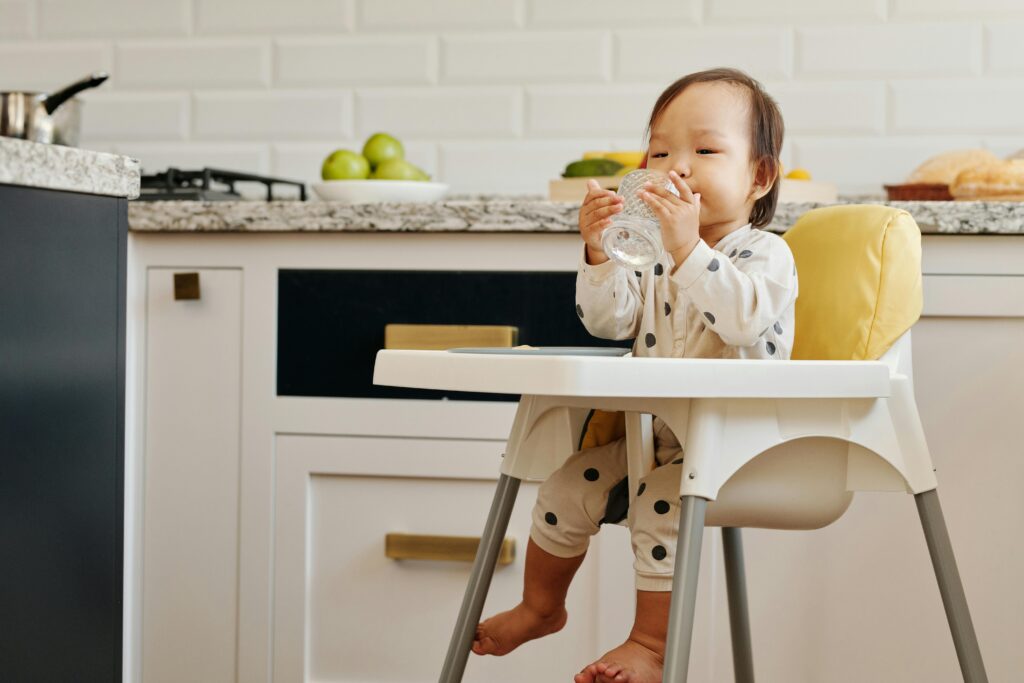
This friendly, clear, and helpful guide walks you through everything—in simple language—so you can feel confident knowing your child stays hydrated, energetic, and thriving.
Water Matters So Much for Kids’ Growing Bodies
Water is more than just a drink—it’s a body helper. Every part of your child’s body needs water to work well. When kids do not get enough water, they may feel tired, cranky, or confused. Even a little dehydration can make a child feel off. Kids need water for:
- Moving nutrients through the body
- Keeping their heartbeat steady
- Staying cool in hot weather or during sports
- Keeping bowel movements regular (to avoid constipation)
- Helping the brain stay sharp
How Much Water Do Kids Need Each Day? (Clear and Simple Guide)
Below is a simple chart illustrating the amount of water most kids need. These numbers are based on pediatric hydration guidelines that simplify recommendations for busy families. These totals include water from drinks and food. Since fruits and vegetables contain a lot of water, they help too.
Daily Water Intake by Age
- Toddlers (1–3 years): About 4 cups of water a day
- Young kids (4–8 years): About 5 cups of water a day
- Older kids (9–13 years): Girls: 7 cups a day Boys: 8 cups a day
- Teens (14–18 years): Girls: 8 cups a day Boys: 11 cups a day
When Kids Need Even More Water

If your child is thirsty, thirsty, thirsty—this is already a sign they need more water right away. Kids need more water when:
- It’s hot outside
- They exercise or play sports
- They sweat more than usual
- They are sick with fever, vomiting, or diarrhea
Signs Your Child May Not Be Getting Enough Water
You know your child best, so you might notice small changes. If your child appears to be sick or very tired and is unable to drink enough water, call your pediatrician. Here are common signs of dehydration (the medical word for not enough water):
- Dry lips or dry mouth
- Pee that is dark yellow
- Going to the bathroom less often
- Tiredness
- Headaches
- Trouble focusing
- Feeling grumpy
- Dizziness
The Power of Water During Sports and Play
Kids move a lot. Running, jumping, climbing, and playing all make the body heat up. When the body heats up, it sweats to cool down. That sweat needs to be replaced. Sports drinks are usually not required unless your child engages in intense exercise for over an hour.
Simple Rules for Sports Hydration
- Drink one cup of water 30 minutes before play.
- Drink small sips every 15 to 20 minutes during play.
- Drink one to two cups after play.
🌈 Water remains the best option for most kids, most of the time.
Help Your Child Drink More Water (Even if They Resist!)
Some kids love water. Others act like it’s a punishment. These habits help your child stay hydrated without stress or nagging. Here are gentle, fun, and parent-tested ideas.
Make Water Fun

- Use colorful cups
- Add fruit slices (lemon, orange, strawberry)
- Let kids choose a “special water bottle”
- Freeze fruit into ice cubes for flavor
Build Easy Water Habits
- Drink water with every meal
- Offer water first before juice
- Keep a water bottle in your child’s backpack
- Set “water alarms” during the day
Use Games and Rewards
- Make a sticker chart
- Have a water-drinking race
- Let your child choose a small reward after meeting a daily goal
Juice, Milk, and Soda: Do They Count as Water?
Some drinks contain water, but that doesn’t mean they are the best choice. Plain water is always the best first choice. Thus, what counts toward hydration?
- Milk: Yes, but 2–3 cups a day is usually enough
- Juice: Yes, but try to keep it to one small cup a day
- Soda: Avoid — too much sugar and zero health benefits
- Flavored water: Check the label for sugar
Do Fruits and Vegetables Help With Hydration? Absolutely!
 Do Fruits and Vegetables Help With Hydration? Absolutely!
Many foods are water-rich, which helps kids meet their daily needs. These foods are great snacks that help hydrate without extra sugar. Here are water-rich foods kids will love: watermelon, oranges, cucumbers, strawberries, grapes, lettuce, and peaches.
Water Helps Kids Learn and Focus at School
Water does more than keep kids cool—it also helps their brains work their best. A child’s brain is made mostly of water, so even a small drop in hydration can affect how well they think, remember, and pay attention in class.
Water Boosts Brain Power
When kids are well-hydrated, blood flows smoothly to the brain. This helps the brain send signals faster, making it easier for children to:
- Stay focused during lessons
- Remember what they learn
- Solve problems
- Follow directions
- Stay calm and patient
Even mild dehydration can make thinking feel “foggy,” which can make schoolwork feel harder than it should be.
Water Helps With Mood and Behavior
Kids who don’t drink enough water may become tired, restless, or cranky—all of which make learning tough. Proper hydration helps regulate their mood, enabling them to stay positive, alert, and ready to learn.
Hydration Supports Energy and Movement

Kids need energy to move between classes, participate in P.E., and stay awake during long school days. Water keeps muscles working well and prevents headaches that can distract them from learning.
🌈A Simple Tip for Parents: Pack a water bottle in your child’s backpack every day. Encourage them to take small sips during class, recess, and lunchtime. This tiny habit can make a big difference in how well they feel and learn at school.
Healthy Hydration at Different Times of the Day
To keep things simple and consistent, think of hydration like a gentle rhythm throughout the day.
- Morning Hydration: After sleeping all night, kids wake up a little dry. A small glass of water in the morning helps: wake up their brain, improve their mood, and get their digestion moving
- Afternoon Hydration: Kids get tired after school. A cup of water can refresh and wake them up.
- Evening Hydration: Serve water with dinner. Avoid giving too much water right before bed so they don’t wake up at night.
Common Myths About Kids and Water—Busted! (A Deeper Look for Parents)
Myth 1: Kids will drink when they’re thirsty.
Busted: This sounds true, but it doesn’t always happen. Kids get wrapped up in playing, learning, or watching videos, and they forget to drink. Their brains are focused on fun or focus, not thirst. By the time your child feels thirsty, their body is already slightly dehydrated.
Same-day and next-day appointments available.
This early dehydration can cause them to feel tired, cranky, or sluggish during schoolwork. Younger children are especially vulnerable because they often struggle to articulate their feelings or recognize thirst the way adults do.
This is why offering water regularly—even before they ask—is one of the most effective ways to maintain hydration.
Myth 2: Juice keeps kids hydrated.
Busted: Juice does contain water, but it also includes a lot of natural sugar. The body absorbs sugary drinks more slowly than plain water, making them a less effective choice for hydrating quickly. Too much juice can also lead to several problems:
- Belly pain
- Loose stools or diarrhea
- Tooth decay
- Unnecessary extra calories
Many parents are surprised to learn that the American Academy of Pediatrics recommends limiting juice to small amounts because water and whole fruits are healthier options. Whole fruits give fiber, vitamins, and hydration, while juice gives sugar without the benefits.
🌈 Water is still the safest, simplest, and most effective way to hydrate your child every day.
Myth 3: Sports drinks are better than water.
Busted: Sports drinks are often marketed as “energy boosters,” but most kids do not need them. These drinks contain electrolytes and sugar, which are beneficial only during intense exercise lasting longer than an hour—like long soccer tournaments, heavy exercise, or very hot outdoor sports.
For regular play, school PE, or short practices, sports drinks contain significantly more sugar than kids need. This sugar can cause energy crashes, weight gain, or tooth decay over time. Water cools the body just as well, hydrates faster, and doesn’t add anything your child doesn’t need.
For the vast majority of kids, water is the best and healthiest fuel for staying active.
When To Call Your Pediatrician About Hydration
Proper hydration is one of the easiest and most effective ways to keep kids healthy, but sometimes children need extra help. Recognizing the warning signs enables you to step in early and keep your child safe. If you notice any of the signs below, it’s a good idea to call your pediatrician for guidance.
➤ Your child is peeing very little
 ➤ Your child is peeing very little
If your child goes many hours without peeing, or their diaper stays dry for a long time, this can mean they are not getting enough fluids. Kids should pee several times a day. Less urine usually means the body is saving water because it doesn’t have enough.
➤ Their urine is very dark
Dark yellow or amber-colored pee is a common sign of dehydration. Urine should normally be light yellow. When it becomes dark, it indicates the body is working harder to hold onto water.
➤ Your child seems confused or is not acting like themselves
Confusion, trouble thinking clearly, or unusual behavior can be signs of more serious dehydration. This can happen when the brain doesn’t get enough fluid to function properly. If your child appears to be “off” or different from their usual self, contact your pediatrician immediately.
➤ They have dry lips, dry skin, or no tears when crying
Dryness is one of the body’s early warning signs. These symptoms indicate that the body needs hydration quickly. Dry or cracked lips, dry mouth, cool, dry skin, and crying without tears.
➤ Your child has been vomiting and cannot keep fluids down
Vomiting causes the body to lose water very fast. If your child throws up several times and cannot drink or keep small sips down, they may become dehydrated quickly. This is especially risky for babies and younger children.
➤ They look fatigued, weak, or droopy
Extreme tiredness, weakness, or low energy can be a significant warning sign. Dehydration affects the muscles and brain, causing kids to appear sleepy, slow, or unusually quiet. If your child does not perk up after resting or drinking, you should reach out for medical advice.
Hydration Is One of the Easiest Ways to Protect Your Child’s Health

Keeping your child hydrated doesn’t have to feel confusing or stressful. When you offer water throughout the day and build a few simple habits, you give your child a powerful gift: a healthier body, a sharper mind, and better energy for learning and play.
Water helps kids feel their best from morning to bedtime, and it supports every part of their growing bodies. You don’t need fancy drinks or complicated rules—just steady, simple routines. A sip here, a cup there, and gentle reminders can make a big difference.
Over time, these small steps add up to strong hydration habits that will help your child for years to come. You’re already doing so much for your child each day. Making sure they drink enough water is one more loving action that keeps them safe, happy, and thriving — and you’re absolutely capable of it.
If you ever have concerns or questions, your pediatrician is here to guide you. Your child’s health is a journey, and you’re doing a great job walking that path with care and confidence.
More Helpful Resources for Parents
For more in-depth guidance and expert care, consider exploring helpful articles written by pediatric professionals. Here are two great resources on Omega Pediatrics. These articles offer step-by-step support for busy families who want simple, practical health advice.